Rooting Polypore Care (Polyporus radicatus)

Rooting Polypore

About Rooting Polypore

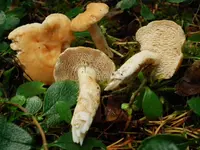
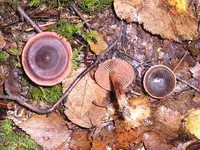
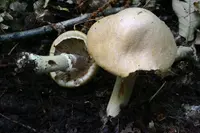
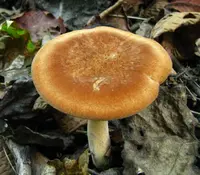
Rooting polypore, Polyporus radicatus, is a wood-decaying fungus rather than a leafy plant. It forms thick, stalked brackets with pale to tan caps and a firm, fibrous texture. The stem often tapers into a deep rootlike structure anchored in buried wood or tree roots.

This species is native to North America and is usually found at the base of hardwood trees or emerging from soil above decaying roots. It is not commonly cultivated, and how to care for Rooting Polypore is not well established for home growing. In nature it prefers shaded, moist woodland sites with plenty of dead wood to decompose.

Main Plant Requirements

Care Difficulty

Moderate Care

Light Preference

Partial Shade

Water Requirements

Keep Soil Moist

Temperature Preference

Cool Climate

Hardiness Zone

Unknown

Soil Texture

Loamy, Silty, Organic-rich

Soil pH

Acidic (5.5–6.5), Slightly acidic (6.5–7.0)

Soil Drainage

Moist but well-drained

Fertilization

Minimal (feed rarely)

Get Personalized Care Plan

Scan your plant to receive care tips personalized for your specific plant

Available on iOS and Android

How to Care for the Rooting Polypore

This wood-decay fungus prefers dappled woodland light that mimics its natural forest habitat.

  • Provide bright shade or dappled light under trees, allowing brief morning sun but avoiding harsh midday and afternoon sun that can dry the substrate too quickly.
  • Aim for 2–4 hours of soft, indirect or filtered light; deep shade slows growth, while continuous direct sun can overheat and desiccate host roots or buried wood.
  • When caring for Rooting Polypore outdoors, ensure seasonal leaf drop does not suddenly expose it to full winter or early-spring sun; retain some leaf litter for shade and moisture buffering.

This fungus relies on consistently moist, not waterlogged, wood and surrounding soil.

  • Maintain substrate moisture by allowing the top 2–5 cm of soil or leaf litter to feel slightly damp, never soggy, around colonized wood or roots.
  • Increase moisture support during warm, dry periods with gentle soaking that drains freely; reduce supplemental watering in cool, wet seasons to prevent stagnant, anaerobic conditions.
  • Signs of overwatering include sour, foul-smelling substrate and slimy decay, while underwatering shows as brittle, cracked fruiting bodies and dry, crumbly wood hosting Polyporus radicatus.

This species develops best in mild to warm conditions typical of temperate woodlands.

  • Optimal growth usually occurs around 60–77°F (16–25°C), when wood moisture and microbial activity are both stable.
  • It tolerates cooler periods down to about 40°F (4°C), but prolonged hard frost below 32°F (0°C) can damage exposed fruiting bodies, though the underlying mycelium in wood may survive.
  • Heat above 86°F (30°C), especially with dry air, can halt fruiting and desiccate tissue, so shaded, moist microhabitats are important during hot summer spells.

Humidity is not a major factor for Polyporus radicatus, which naturally tolerates relatively dry forest air.

  • Target 40–60% humidity, similar to typical indoor air, when cultivating Rooting Polypore on logs or substrate blocks.
  • Fruiting bodies remain firm under slightly dry conditions but may crack if exposed to prolonged, very low humidity below 30%.
  • If caps dry or edges curl, increase local humidity with a loose tent of perforated plastic or a nearby open tray of water.

Polyporus radicatus is a wood-decaying fungus, so the key is a woody, aerated substrate rather than conventional garden soil.

  • Use a mix based on hardwood chips, sawdust, and coarse bark with only a small amount of compost to provide structure and nutrients.
  • Maintain fast drainage so the substrate is moist but never waterlogged, as standing water encourages competing molds and bacterial rot.
  • Aim for a slightly acidic to neutral pH around 5.5–7.0 by using untreated hardwood materials and avoiding lime-heavy amendments.
  • Improve aeration by blending in coarse bark or 3–5 mm wood chips so air can move through the colonized substrate and support steady mycelium growth.

This species is generally unsuitable for conventional container growing, since it prefers colonizing buried wood or woody debris in the ground.

In cultivation, Polyporus radicatus needs very little feeding because it naturally obtains nutrients from decaying wood and tree roots.

Pruning is not a typical practice for Polyporus radicatus, as it is a wood-decaying fungus rather than a conventional garden plant.

This species is not suited to standard repotting, since Polyporus radicatus is a wild, wood-decaying fungus rather than a container-grown plant.

  • Transplanting attempts usually fail because the fungus depends on a specific host tree root and surrounding soil ecosystem.
  • If movement is necessary for study, transfer a generous block of host wood and attached soil, disturbing it as little as possible.
  • Schedule any relocation during cool, moist weather to reduce stress and desiccation of the mycelium, the threadlike feeding network.

Propagation of Polyporus radicatus is specialized and generally left to mycologists or advanced growers, not routine home culture.

This fungus is naturally cold hardy in its native range and generally needs no special winter care in outdoor settings.

Care Tips

Substrate log choice

Select freshly cut but not green hardwood logs or large buried roots from oak, beech, or similar broadleaf species, as this fungus colonizes sound woody tissue more reliably than very decayed wood.

Controlled inoculation points

Drill narrow holes into the host root or buried log and plug them with colonized dowels or spawn, then seal with melted wax to keep the wood moist and reduce contamination from competing fungi.

Partial root exposure

Expose a portion of a suitable tree root near the soil surface and cover the surrounding area with coarse wood chips, which provides both the firm woody substrate and the slightly protected microclimate needed for fruiting.

Moisture buffering layer

Use a 3–5 cm layer of coarse wood chips or leaf litter over the inoculated area to buffer short dry spells and temperature swings without waterlogging the colonized wood.

Site rotation planning

Plan to use different logs or root sections over time, since once a piece of wood is fully consumed the fungus will decline, and rotating sites helps maintain consistent results when growing Rooting Polypore outdoors.

Common Pests and Diseases

Mycophagous beetles

These insects feed on the fruiting bodies, creating tunnels and cavities that accelerate decay and reduce spore production. This pest activity is most common on older or already damaged brackets in warm, humid weather.

Solution

Physically remove heavily infested or collapsing brackets and dispose of them away from host trees to lower local beetle populations. In managed woodland or research settings, improve airflow around fruiting sites and avoid leaving cut or dead wood piled nearby, since this material shelters beetle populations that can move onto fresh fruiting bodies.

Fungivorous fly larvae

These insects lay eggs on the pore surface, and the emerging larvae burrow through the flesh, causing rapid softening, discoloration, and structural collapse. Symptoms include small entry holes and a sponge-like, water-soaked texture in the cap.

Solution

Harvest or document fruiting bodies promptly once they mature, before flies establish large larval populations. Remove and destroy infested brackets and maintain cleaner forest-floor conditions near monitored specimens so there is less decaying organic material attracting fly populations close to active clusters, which supports practical Polyporus radicatus care instructions in field settings.

Competitive wood-decay fungi

This disease pressure comes from other fungi colonizing the same buried root or basal wood, which can overgrow or replace fruiting of Polyporus radicatus over time. Symptoms include mixed fruiting bodies on the same host, distorted brackets, or complete absence of P. radicatus where it previously fruited.

Solution

When maintaining study or demonstration logs, limit mechanical damage to the substrate and avoid introducing inoculum from other wood-decay fungi through contaminated tools or imported wood. Remove heavily overgrown or competing fruiting bodies from the immediate area if the goal is to favor continued P. radicatus fruiting on specific roots or stumps.

Mollusk grazing

This pest damage is caused by slugs and snails that rasp the soft pore layer and margins, leaving irregular patches, surface scarring, and missing tissue. This feeding is most intense during cool, wet periods and on young, tender brackets.

Solution

Hand-pick slugs and snails during damp evening or early morning periods and relocate them away from monitored sites. In small-scale managed areas, create moderate physical barriers with coarse gravel or copper tape around selected fruiting zones and reduce dense groundcover that shelters mollusks close to emerging brackets.

Interesting Facts

Deep taproot attachment

This fungus forms a long, rooting extension that penetrates deep into soil or wood, anchoring the fruiting body firmly and making it difficult to dislodge compared with many other polypores.

Summer fruiting specialist

It typically produces its fruiting bodies in warm months, often from late spring through summer, which is relatively unusual for polypores that more often appear in cooler seasons.

Preference for hardwood hosts

In nature it is most often found on the bases, buried roots, or root flares of hardwood trees such as oaks, causing a white rot in the woody tissue.

Botan icon

Did you know?

Molecular studies have shown that this species, long placed in the genus Polyporus based on appearance, actually belongs in a different lineage, leading some modern mycologists to treat it under the updated genus name Cerioporus while older field guides still list it as Polyporus radicatus.

FAQs about Rooting Polypore

This wood-decaying fungus is best maintained outdoors on buried hardwood, stumps, or logs. It requires natural temperature shifts, airflow, and microbial activity that are difficult to reproduce in homes, so Rooting Polypore indoor care is rarely successful long term.

Grow Healthy Plants with Botan Care

Keep your plants happy and healthy with plant identification, disease detection, and easy care guidance.

Botan plant care app — identify plants on mobile

Explore More Plants