Purplepore Bracket Care (Trichaptum abietinum)

Purplepore Bracket

About Purplepore Bracket

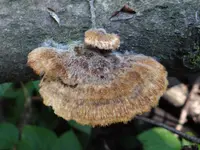
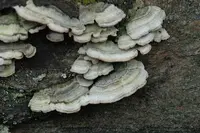
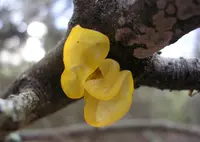
Purplepore bracket, Trichaptum abietinum, is a small, wood-decaying bracket fungus rather than a traditional houseplant. It forms thin, fan-shaped shelves on dead conifer wood, often overlapping in dense tiers. The upper surface shows muted violet to brown tones when fresh, while the underside has fine purple pores that fade with age.

This species is native to temperate regions of the Northern Hemisphere and is commonly found on fallen spruce and fir logs. It plays an important ecological role in breaking down lignin and cellulose in wood. Gardeners who care for Purplepore Bracket in outdoor displays typically provide cool, shaded, consistently damp conditions and plenty of decaying conifer wood as its substrate.

Main Plant Requirements

Care Difficulty

Moderate Care

Light Preference

Partial Shade

Water Requirements

Keep Soil Moist

Temperature Preference

Cold Hardy

Hardiness Zone

2–8

Soil Texture

Loamy, Silty, Organic-rich

Soil pH

Strongly acidic (4.5–5.5), Acidic (5.5–6.5)

Soil Drainage

Moist but well-drained

Fertilization

Minimal (feed rarely)

Get Personalized Care Plan

Scan your plant to receive care tips personalized for your specific plant

Available on iOS and Android

How to Care for the Purplepore Bracket

This wood-decay fungus prefers cool, shaded woodland light similar to its native conifer forest habitat.

  • Provide dappled or filtered light under tree canopies, with no more than 1–3 hours of weak morning sun and full protection from strong midday and afternoon sun.
  • Aim for conditions that mimic a north- or east-facing forest edge, where Purplepore Bracket receives bright shade and indirect light throughout most of the day.
  • In summer, shield from direct sun to prevent drying of the substrate; in winter, increased ambient light is acceptable as long as the host wood does not overheat or desiccate.

This bracket fungus depends on consistent moisture in its host wood rather than direct surface watering.

  • Keep the conifer wood or log evenly moist but not waterlogged; the surface can feel slightly damp, but standing water or a sour smell indicates excess moisture.
  • Allow the outer 2–5 mm of wood surface to dry slightly between misting or rainfall events to reduce mold growth and bacterial rot on Trichaptum abietinum.
  • In warm, windy, or very dry weather, increase misting frequency to prevent cracking and brittleness, while in cool, humid seasons reduce added moisture and rely more on natural rainfall.

This species thrives in cool to mild conditions typical of temperate conifer forests.

  • Optimal growth occurs around 50–70°F (10–21°C), where fruiting bodies develop steadily and maintain firm texture on the wood surface.
  • It tolerates cold down to about 20°F (−6°C); short frosts are usually survived, but prolonged freezes below this can damage exposed fruiting edges.
  • Heat above 80–85°F (27–29°C), especially combined with low humidity, can dry and bleach brackets, so provide shade and moisture retention during hot, dry periods.

Humidity is not a major factor for Trichaptum abietinum, which naturally grows on conifer wood in open air.

This wood-decay fungus relies on dead conifer wood rather than soil, so recreate firm, woody, well-aerated conditions instead of standard potting mixes.

  • Use dense, untreated softwood logs or thick branches as the main substrate, avoiding loose, peat-based or heavy mineral soils.
  • Maintain very sharp drainage by keeping wood elevated on blocks or a mesh so excess water runs off and surfaces can partially dry.
  • Keep the colonized wood in a cool, shaded, consistently moist environment, preventing full submersion or standing water around the log.
  • Avoid highly alkaline additives; slightly acidic conditions typical of conifer wood favor Trichaptum abietinum colonization and fruiting.

This species is only loosely suitable for container growing if treated as a log or wood piece placed in a tray rather than potted in soil.

  • Set the colonized log in a shallow, ventilated tray with a thin gravel layer so any excess water drains away from the wood surface.
  • Choose a wide, low container to keep the relatively flat, spreading brackets stable and reduce tipping when the wood becomes waterlogged.
  • Use a breathable material such as unglazed clay or slatted wood trays to reduce stagnant moisture and surface mold on the supporting substrate.

This wood-decay fungus grows on conifer logs and does not need any fertilization in cultivation or nature, so caring for Purplepore Bracket focuses on habitat rather than nutrients.

Trichaptum abietinum does not need horticultural pruning, as it is a bracket fungus rather than a garden shrub or houseplant.

This species is not managed like a potted plant; it fruits directly on dead conifer wood rather than in soil or containers.

  • If observation or cultivation is desired, place sound, untreated conifer logs in a shaded, humid outdoor area.
  • Avoid disturbing colonized logs; moving them can slow or interrupt fungal development.
  • Transplant only by relocating an entire infected log, keeping moisture levels steady to limit stress.
  • Do not attempt classic repotting, as roots and potting mix are not part of this fungus’s life cycle.

Trichaptum abietinum propagation for hobbyists is uncommon and mainly of interest to fungal enthusiasts rather than typical plant growers.

This fungus is naturally cold hardy in temperate climates and usually needs no special winter care when growing on outdoor conifer wood.

Care Tips

Select Suitable Logs

Use fresh, disease-free conifer logs, ideally spruce or fir, cut within the last 2–4 weeks, as older wood already heavily colonized by other fungi will greatly reduce successful establishment.

Pre-Condition The Wood

Store cut logs in a shaded, wind-sheltered area and keep them off bare soil for 1–2 weeks so bark stays intact and moisture stabilizes before inoculation.

Create Clean Inoculation Sites

When drilling or cutting slots for spawn, wipe tools and contact surfaces with isopropyl alcohol to reduce competing fungal spores and improve colonization success.

Optimize Log Placement

Stand or lean inoculated logs so cut ends are not in constant contact with wet soil, and position them in a cool, shaded area where air can move freely around each piece of wood.

Monitor Natural Succession

Inspect colonized logs every few months and replace them once fruiting bodies become sparse or are outcompeted by other bracket fungi, which keeps a consistent display when growing Purplepore Bracket.

Common Pests and Diseases

bark beetles

These insects bore into weakened conifer hosts that also carry Trichaptum abietinum on their dead or dying wood. Symptoms include small round exit holes in the bark and fine sawdust-like frass collecting on the surface below the log or trunk.

Solution

Move and store host logs or decorative pieces in cool, shaded, well-ventilated spots and off bare soil to reduce beetle pressure, and avoid keeping infested conifer wood close to healthy live conifers. If activity is heavy, remove and dispose of highly infested wood and replace it with clean, debarked conifer wood to continue growing Purplepore Bracket without encouraging beetle buildup.

wood-boring larvae

These insects (such as longhorn beetle grubs) tunnel through dead conifer wood, breaking up the substrate where the fungus grows. Symptoms include irregular galleries inside the wood and weakening or crumbling of brackets as the supporting wood fails.

Solution

Inspect conifer logs or stumps used as habitat and discard pieces that show extensive internal tunneling or hollow sections. Use fresher, sound conifer wood with intact heartwood, and keep it dry on the surface but exposed to natural outdoor temperature swings, which discourages heavy larval development while still allowing Trichaptum abietinum to colonize.

competitive wood-decay fungi

This disease pressure comes from other bracket and crust fungi that colonize the same dead conifer wood and outcompete or overgrow Trichaptum abietinum. Symptoms include new, different-colored fruiting bodies crowding or replacing the characteristic purple pore layer.

Solution

Select conifer wood that is relatively clean, with minimal preexisting fungal growth, and remove or cut away sections heavily covered by other fungi. Provide good airflow and outdoor exposure to normal seasonal changes, and periodically replace old, heavily colonized logs with new material to maintain a stable population and support Trichaptum abietinum care instructions.

Interesting Facts

Purple pore surface

The underside of its brackets develops a distinctly purple to lilac pore layer when fresh, which fades to brownish with age but helps distinguish it from many other conifer-decaying bracket fungi.

Specialist on conifers

This species almost exclusively colonizes dead conifer wood, especially spruce and fir, and plays a key role in breaking down lignin and cellulose, two major structural components of conifer trunks and branches.

Early-stage decomposer

It is typically one of the first wood-decaying fungi to appear on recently dead conifer logs, where its activity helps prepare the substrate for a succession of other fungi and invertebrates in the forest detritus food web.

Botan icon

Did you know?

Molecular studies have shown that what was once considered a single widespread species has close relatives that look very similar, so accurate identification of Trichaptum abietinum in research often relies on DNA sequencing rather than appearance alone.

FAQs about Purplepore Bracket

This bracket fungus spreads by releasing wind-borne spores that colonize dead conifer wood. It does not invade living plants or soil, so it is not considered aggressive in gardens or forest ecosystems.

Grow Healthy Plants with Botan Care

Keep your plants happy and healthy with plant identification, disease detection, and easy care guidance.

Botan plant care app — identify plants on mobile

Explore More Plants