

Use Acidic Substrate
Blend fine quartz sand with milled, rinsed peat or long-fiber sphagnum to create a low-nutrient, acidic layer that mimics the plant’s alpine habitat and reduces competition from algae and liverworts.

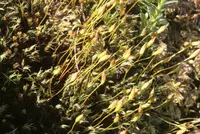
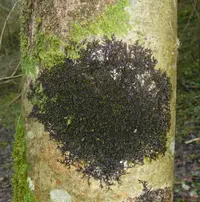
Alpine polytrichastrum moss (Polytrichastrum alpinum) is a hardy, upright moss forming small, dense tufts that resemble miniature conifer forests. Its shoots are relatively tall for a moss, with narrow leaves that stand out from the stem when moist and lie closer when dry.
This species naturally occurs in cold, mountainous regions on rocky soils, exposed banks, and thin acidic substrates. It tolerates low nutrients and harsh weather but needs consistent moisture to stay healthy.
For those learning how to care for alpine polytrichastrum moss, its main challenges are avoiding prolonged drying and preventing smothering by taller plants. It generally prefers cool conditions, bright but indirect light, and an open, well-drained, slightly acidic substrate.

Care Difficulty
Moderate Care

Light Preference
Partial Shade

Water Requirements
Keep Soil Moist

Temperature Preference
Cold Hardy

Hardiness Zone
2–7

Soil Texture
Loamy, Silty, Organic-rich

Soil pH
Strongly acidic (4.5–5.5), Acidic (5.5–6.5)

Soil Drainage
Moist but well-drained

Fertilization
Minimal (feed rarely)
Scan your plant to receive care tips personalized for your specific plant
Available on iOS and Android
This moss prefers cool, bright conditions that mimic open alpine sites with filtered light.
Watering should keep the moss consistently moist without staying saturated for long periods.
This species is adapted to cool to cold climates with marked seasonal variation.
This moss prefers consistently cool, moist air with moderate to high humidity.
Polytrichastrum alpinum grows best in moist, airy, acidic, organic-rich substrate.
This species suits shallow container culture when moisture and drainage are carefully controlled.
This moss thrives in low-nutrient conditions, so alpine polytrichastrum moss needs only minimal supplementary feeding in cultivation.
Polytrichastrum alpinum requires only light grooming rather than structural pruning.
This species is usually grown on rocks or shallow trays, so transplanting focuses on refreshing the substrate rather than upsizing containers.
Polytrichastrum alpinum is commonly multiplied by division and spore sowing under controlled, consistently moist conditions.
This moss is naturally cold hardy and usually needs little special winter care in the ground.

Plant Health Check
Not sure what's wrong with your plant? Check your plant's health inside the app.
This moss often occupies snowbed and late-melting alpine sites, colonizing moist, cold substrates where vascular plants struggle to survive.
Its leaves have a dense layer of tiny translucent hair-like cells on the upper surface that help reduce water loss and protect photosynthetic tissue from intense high-elevation light.
It typically grows on acidic substrates such as siliceous rocks, sandy soils, and glacial till, making it a useful indicator of low-pH alpine and subarctic habitats.

In some high mountain and polar regions, this species forms important early-stage ground cover on freshly exposed glacial forelands, stabilizing loose mineral soils and helping create conditions for later plant colonization.
This species performs best outdoors in cool, moist, well‑aerated conditions that mimic alpine habitats. Indoors it is possible but harder to keep stable humidity, airflow, and temperature, so growth is usually slower and less robust.
Keep your plants happy and healthy with plant identification, disease detection, and easy care guidance.

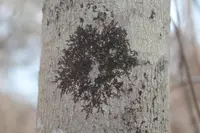
New York Scalewort
Frullania eboracensis
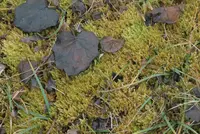
Lindberg's Hypnum Moss
Calliergonella lindbergii
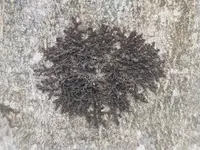
Hairy Scalewort
Frullania bolanderi
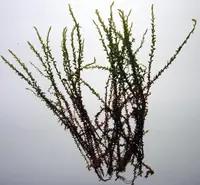
calliergon moss
Calliergon cordifolium
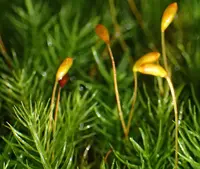
pyrrhobryum moss
Pyrrhobryum spiniforme
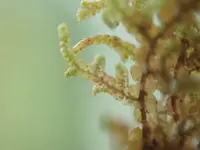
Hanging Millipede Liverwort
Frullania nisquallensis
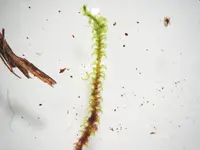
angled paludella moss
Paludella squarrosa
Dilated Scalewort
Frullania dilatata