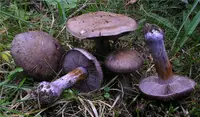
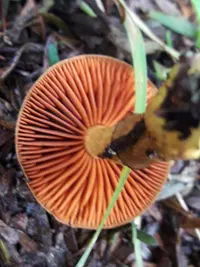
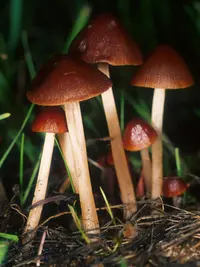
Pine Bracket Care (Porodaedalea pini)

Pine Bracket

About Pine Bracket

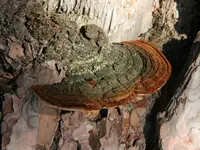
Pine bracket, Porodaedalea pini, is a perennial wood-decay fungus that forms hard, hoof-shaped brackets on the trunks and branches of living and dead pine trees. Its fruiting bodies have a dark, often cracked upper surface and a yellowish to brown pore layer underneath.

This species occurs mainly in coniferous forests across cooler regions of the Northern Hemisphere, where it acts as a pathogen and decomposer on pines. Because it is a specialized tree parasite that needs mature host trees and specific forest conditions, it is not practical to cultivate and can be challenging for anyone trying to care for Pine Bracket in managed landscapes.

In nature it favors cool, well-ventilated woodland environments with consistent moisture in the wood but not waterlogged conditions.

Main Plant Requirements

Care Difficulty

Moderate Care

Light Preference

Partial Shade

Water Requirements

Moderate Water

Temperature Preference

Cold Hardy

Hardiness Zone

2–8

Soil Texture

Loamy, Sandy, Organic-rich

Soil pH

Acidic (5.5–6.5), Slightly acidic (6.5–7.0)

Soil Drainage

Moist but well-drained

Fertilization

Minimal (feed rarely)

Get Personalized Care Plan

Scan your plant to receive care tips personalized for your specific plant

Available on iOS and Android

How to Care for the Pine Bracket

This bracket fungus relies on the host pine’s exposure rather than direct light management by the grower.

  • Thrives on living or dead pine trunks in full sun to full shade, typically receiving 2–8+ hours of light depending on forest canopy density.
  • Fruiting bodies tolerate bright, unfiltered light but persist well on shaded, north-facing trunks, especially in dense conifer stands.
  • In managed woodlands, avoid abrupt canopy removal that shifts a long-shaded host tree into intense, all-day sun, which can dry and crack older Pine Bracket layers.

Water availability for this wood-decay fungus is governed by tree and wood moisture rather than direct irrigation.

  • Porodaedalea pini develops best on pines with consistently moist but not waterlogged heartwood; overly dry, seasoned logs slow or halt visible growth.
  • In natural settings, rainfall and ambient humidity hydrate the host; prolonged drought shows as brittle, cracked brackets rather than soft, flexible tissue.
  • Waterlogged or poorly drained sites promote competing fungi and bacterial decay, while extremely dry, sun-exposed dead wood leads to faded, crumbly fruiting bodies.

This species is adapted to cool-temperate climates where pine forests dominate.

  • Active wood decay and fruiting occur most reliably around 50–70°F (10–21°C), with growth slowing in hot midsummer and during deep winter freezes.
  • Fruiting bodies tolerate winter drops near 5–15°F (-15 to -9°C), but extended exposure below this can kill outer tissues while the inner mycelium survives in wood.
  • Sustained heat above 85–90°F (29–32°C), especially with low humidity and strong sun, can dry and crack brackets, though shaded forest stands buffer these extremes.

Humidity is not a relevant factor for this wood-decaying bracket fungus, which lives exposed on pine trunks in open air.

This species is a wood-rotting fungus that develops on living or dead pine wood rather than in soil.

  • There is no practical soil recipe for Porodaedalea pini, as it colonizes pine trunks and stumps instead of growing in a substrate mix.
  • Cultivation attempts focus on providing sound or dead pine wood with intact bark, mimicking natural host conditions rather than adjusting soil texture or pH.
  • Avoid placing brackets in potting mixes or garden beds, since this does not support the fungus’s life cycle or structural stability.
  • For study or display, mount collected brackets on dry, clean pine wood, keeping them out of moist soil to prevent secondary decay.

This bracket fungus is not suitable for container growing, as it requires living or dead pine hosts rather than pots or artificial substrates.

Porodaedalea pini is a wood-decaying fungus on conifers and does not need direct fertilization, since it obtains nutrients from host trees.

Pruning is not a standard practice for Porodaedalea pini, which is a bracket fungus rather than a garden shrub or tree.

This species is not suited to repotting, as Porodaedalea pini lives within the wood of host conifers rather than in soil or containers.

  • Transplanting is generally not recommended, since the fungus is integrated into the tree’s heartwood and sapwood.
  • Management focuses on host tree health instead of moving the fungus itself.
  • If removal is necessary, cut away affected wood sections rather than attempting to transplant fruiting bodies.
  • For landscape trees, consult an arborist when structural decay is suspected.

Propagation of Porodaedalea pini is typically not a horticultural goal, as it is a wood-decaying pathogen of pines and other conifers.

This bracket fungus is naturally cold hardy on its conifer hosts and needs no specific winter care from a horticultural perspective.

Care Tips

Host selection

Choose only already-declining or dead pines as hosts, since this fungus is a heart-rot pathogen and will gradually weaken any living pine it colonizes.

Log preparation

For deliberate cultivation, cut pine logs in late winter, use freshly felled wood with intact bark, and avoid logs that were stored on soil to reduce contamination by competing fungi.

Clean inoculation

When inserting spawn or dowels, drill clean holes with a disinfected bit, plug immediately with wax or tight-fitting dowels, and keep tools clean to give this species a competitive advantage.

Moisture management

Stack inoculated logs in a shaded, airy spot off bare soil on bricks or pallets so the wood stays moist but bark surfaces can dry between rains, which limits mold and bacterial growth.

Long-term monitoring

Mark inoculated logs with date and source, then check once or twice a year for conk formation and structural decay so you can retire unsafe, crumbly logs before they collapse in use.

Common Pests and Diseases

Red ring rot

This disease causes a characteristic reddish to brown heartwood decay in living pine stems while the sapwood often remains functional. Symptoms include circular or arcuate red-brown discoloration in cross-section and gradual structural weakening of trunks and large branches.

Solution

Management focuses on preventing spread by promptly removing and destroying heavily decayed or wind-damaged host trees that bear fruiting bodies, and by avoiding unnecessary wounding during forestry or landscape work. In high-value trees, regular inspections and removal of infected stems or branches that show advanced internal decay can lower spore production and reduce the risk to nearby pines.

White pocket rot

This disease represents a more advanced stage of wood decay where elongated white pockets and cavities develop in the heartwood, reducing strength and predisposing trees to breakage. Symptoms include brittle wood, hollow sections, and failure of stems or large limbs under wind or snow loads.

Solution

Control relies on sanitation cutting of trees with severe structural compromise and safe removal of hazardous limbs in recreational or residential areas. Maintaining stand vigor through appropriate spacing and minimizing mechanical damage to bark and roots can slow new infections and reduce the number of highly susceptible, stressed hosts, supporting practical Porodaedalea pini care instructions in managed pine stands.

Secondary bark beetles

These insects often colonize weakened or already infected pines, using the stressed tissue for breeding and further compromising tree health. Symptoms include pitch tubes, boring dust, and gallery patterns under the bark, especially on trees already affected by internal decay.

Solution

Management involves rapid removal or debarking of heavily infested or freshly killed pines to interrupt beetle life cycles and reduce local populations. Keeping pines healthy through proper spacing, avoiding soil compaction, and timely removal of Porodaedalea pini fruiting hosts helps lower beetle pressure and slows combined decline.

Interesting Facts

Host-specific pine parasite

This fungus is a specialized parasite of living pines, especially Scots pine and other Pinus species, causing a characteristic white pocket rot in the heartwood while the tree is still standing.

Long-lived perennial brackets

The fruiting bodies are perennial and woody, often persisting and adding new layers of growth for many years, which allows researchers to age infections by counting the annual tube layers.

Hidden internal decay

Infected trees often look outwardly healthy for a long time because the decay progresses mainly in the inner heartwood, so the structural weakness may not be visible until the damage is advanced.

Botan icon

Did you know?

Porodaedalea pini is considered a key decay fungus in many northern conifer forests, because its selective heartwood rot creates hollow trunks and cavities that are critical nesting and roosting sites for woodpeckers, owls, and other wildlife, thereby shaping forest habitat structure over decades.

FAQs about Pine Bracket

The fruiting body is very tough, woody, and bitter. It is generally considered inedible and is not used as food. Some traditional medicinal uses exist, but ingestion is not recommended without expert guidance and correct identification.

Grow Healthy Plants with Botan Care

Keep your plants happy and healthy with plant identification, disease detection, and easy care guidance.

Botan plant care app — identify plants on mobile

Explore More Plants