Bigelow's Porotrichum Moss Care (Porothamnium bigelovii)

Bigelow's Porotrichum Moss

About Bigelow's Porotrichum Moss

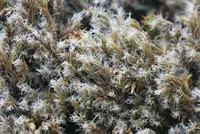
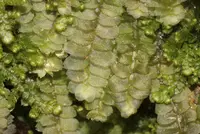
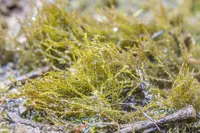
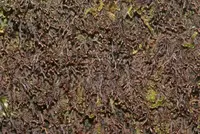
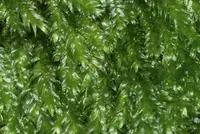
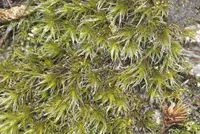
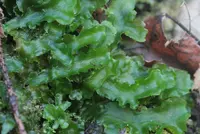
Bigelow's Porotrichum Moss, Porothamnium bigelovii, is a small terrestrial moss that forms soft, low cushions or mats on soil, rocks, or decaying wood. Its fine, branching stems and tiny overlapping leaves create a dense, velvety texture.

This species is typically found in moist, shaded habitats such as forest floors and stream banks in temperate regions. It prefers consistently damp conditions and stable humidity, which strongly influences how easy it is to keep alive.

For those learning how to care for Bigelow's Porotrichum Moss, the main challenges are preventing drying out and avoiding strong direct sun. In suitable, evenly moist conditions, it is generally manageable for attentive growers.

Main Plant Requirements

Care Difficulty

Moderate Care

Light Preference

Partial Shade

Water Requirements

Keep Soil Moist

Temperature Preference

Cool Climate

Hardiness Zone

Unknown

Soil Texture

Loamy, Peaty, Organic-rich

Soil pH

Acidic (5.5–6.5)

Soil Drainage

Moist but well-drained

Fertilization

Minimal (feed rarely)

Get Personalized Care Plan

Scan your plant to receive care tips personalized for your specific plant

Available on iOS and Android

How to Care for the Bigelow's Porotrichum Moss

This moss prefers soft, indirect light that mimics a shaded forest floor.

  • Provide bright, filtered light or full shade with brief early morning sun, aiming for 2–4 hours of low-angle light and no harsh midday or afternoon sun.
  • Site Bigelow's Porotrichum Moss on the north or east side of rocks, logs, or trees where it receives dappled light through foliage.
  • Watch color and texture: pale, crisp fronds indicate too much sun, while sparse, stretched growth signals light is too dim.

Porothamnium bigelovii needs consistently moist conditions without remaining waterlogged.

  • Keep the substrate evenly damp; surface should feel moist but not squishy, with no standing water around the moss pads.
  • Increase misting or gentle watering when the upper 1–2 mm feel dry or fronds look slightly dull; reduce frequency in cool, wet seasons.
  • Signs of overwatering include slimy, dark patches and foul smell, while underwatering shows curling, brittle fronds and shrinking cushions.

This moss thrives in cool to mild temperatures typical of shaded woodland or coastal habitats.

  • Aim for an optimal range of 50–70°F (10–21°C), where growth remains steady and fronds keep a firm, fresh texture.
  • Tolerates brief drops to about 32°F (0°C) but is sensitive to hard frost; prolonged freezing can desiccate and kill exposed cushions.
  • In warm periods above 80°F (27°C), increase shade and ambient humidity, since hot, dry air quickly stresses and can scorch the moss.

This moss prefers consistently high humidity to maintain dense, healthy cushions.

  • Aim for 70–90% humidity; growth declines and fronds thin below about 60%.
  • Dry air causes pale, brittle tips and patchy dieback in Bigelow's Porotrichum Moss.
  • Increase humidity with frequent fine misting, closed terrariums, or by placing containers on shallow pebble trays with water below the moss level.

Porothamnium bigelovii grows best in moist, airy, organic-rich substrates that never become waterlogged.

  • Use a loose mix of fine orchid bark, sphagnum moss, and leaf mold or compost to mimic decomposing woodland litter.
  • Ensure constant moisture but rapid drainage; excess water should pass through within seconds, leaving the mix evenly damp, not soupy.
  • Slightly acidic conditions around pH 5.0–6.5 support nutrient availability and discourage unwanted algae or mold dominance.
  • Improve aeration by avoiding compaction, mixing in fine perlite, and keeping the moss layer shallow rather than heavily buried.

This species adapts well to shallow container culture, including trays and terrariums.

  • Choose wide, shallow containers to allow lateral spread and prevent deep, stagnant water pockets beneath the moss mat.
  • Use rigid containers that do not flex so the substrate structure stays stable and airflow channels are not compressed.
  • If drainage holes are absent in display dishes or terrariums, limit water volume strictly and tilt the container briefly to pour off any standing water.

This moss generally needs minimal feeding when grown in suitable, low-nutrient substrates.

Pruning needs for Porothamnium bigelovii are light and mainly cosmetic.

  • Trim small patches at any time to neaten edges or control spread.
  • Pinch or cut away browned, dead, or contaminated sections to maintain healthy growth.
  • Use fine scissors or small snips, cutting just above the substrate without pulling clumps.
  • Avoid heavy thinning, which can expose the base to drying and reduce overall vigor.

Porothamnium bigelovii is usually grown as a ground or substrate cover and is moved only when coverage needs adjusting.

  • Transplant when mats become too dense, growth slows, or you need to re-level or refresh the substrate.
  • Carry out transplanting in cool, moist weather, avoiding hot, dry, or windy periods.
  • Lift thin sections with a spatula or hand, keeping the mat intact to limit root disturbance.
  • Lay patches onto fresh, moist substrate, press gently for good contact, and keep evenly damp while they re-establish.

Spread of this moss is typically managed by division of existing mats rather than from spores in home settings.

  • Divide healthy, well-established cushions in spring or during mild, moist weather.
  • Lift thin sheets or small tufts, keeping shoots and attached rhizoids together.
  • Place divisions on clean, moist, acidic to neutral substrate with good contact and diffuse light.
  • Maintain high humidity and consistent moisture, avoiding waterlogging, until new growth knits sections together.

Bigelow's Porotrichum Moss is generally cold hardy in temperate climates and needs only modest winter attention.

  • In the ground, ensure substrates drain well so mats do not sit in ice or standing water.
  • In very exposed sites, a light, airy leaf mulch around but not smothering the moss can moderate temperature swings.
  • Container-grown patches in regions below about 15°F are best overwintered in an unheated but frost-free space with bright shade.

Care Tips

Use inert substrates

Mount the moss on inert materials such as lava rock, expanded clay, or plastic mesh rather than organic wood, which slows decay and keeps the colony cleaner over time.

Create capillary watering

Set the moss on a shallow tray lined with capillary matting or fine mesh that touches a small water reservoir, so the substrate stays evenly moist from below without direct standing water around the rhizoids.

Promote horizontal spread

Gently press small fragments into the surface in several spots instead of one dense clump, which encourages a low, even carpet rather than tall, loose tufts.

Manage algal growth

If green film or slime appears on the surface, briefly increase air movement, flush with clean, soft water, and lightly shade the area to reduce algae while maintaining stable moisture for the moss.

Seasonal airflow adjustment

Increase gentle airflow in warmer months and reduce it slightly in cooler, drier periods to balance evaporation and prevent desiccation when caring for Bigelow's Porotrichum Moss.

Common Pests and Diseases

Slime molds

This disease appears as slimy, often dark or brightly colored patches that temporarily cover the moss surface in very wet, nutrient-rich conditions. Symptoms include a sudden film or blob-like growth that looks different from normal moss tissue.

Solution

Reduce excess organic debris and improve drainage so water does not stagnate on or around the moss. Gently rinse off visible slime molds with clean water, increase airflow and light, and avoid fertilizer or nutrient-rich runoff to discourage recurrence when caring for Bigelow's Porotrichum Moss.

Green algal overgrowth

This disease presents as a smooth, bright green film that coats the moss cushions, especially in very bright, wet, nutrient-enriched conditions. Symptoms include the moss losing its texture and looking like it is covered by paint or a thin crust.

Solution

Reduce nutrient inputs and avoid runoff from fertilized soil, then increase shade or diffuse light and improve air movement. Rinse the moss surface carefully with low-pressure water and, if possible, break up compacted areas so the moss can dry slightly between waterings.

Springtails

These insects are tiny, pale to dark jumping arthropods that thrive in constantly wet moss substrates rich in decaying material. This pest usually causes minor damage but can stress delicate moss carpets in contained or indoor setups.

Solution

Allow the substrate surface to dry slightly between waterings while keeping the moss itself evenly moist, and remove excess decaying leaves or wood. For heavy infestations in terrariums or indoor trays, use physical trapping (sticky traps, manual removal) and improve ventilation rather than chemical controls, which can harm the moss.

Fungus gnats

These insects are small, dark flies that appear around very damp moss growing on organic-rich substrates. Their larvae feed in moist organic matter and can disturb newly established or thin moss mats.

Solution

Reduce standing moisture by using a more mineral, low-organic substrate under the moss and allowing the surface to become only lightly moist instead of waterlogged. Use yellow sticky traps to catch adults, bottom-water if in a container so the surface dries slightly, and remove algae or decaying debris that supports the larvae.

Interesting Facts

Pacific intertidal specialist

This moss is native to the Pacific coast of North America and is most often found on rocks and driftwood in the upper intertidal zone, where it is regularly splashed by seawater but not constantly submerged.

High salt tolerance

Unlike most mosses, it tolerates periodic exposure to salty seawater, an adaptation that allows it to occupy a narrow ecological niche along rocky marine shorelines.

Compact tufted growth

It typically forms low, dense tufts or mats rather than loose carpets, a growth form that helps reduce water loss and physical damage from waves and wind in exposed coastal habitats.

FAQs about Bigelow's Porotrichum Moss

This species spreads slowly by creeping stems and gradual fragmentation. It forms soft, low mats rather than fast-running patches. In gardens or terrariums it is generally easy to contain with light edging and occasional trimming of wandering pieces.

Grow Healthy Plants with Botan Care

Keep your plants happy and healthy with plant identification, disease detection, and easy care guidance.

Botan plant care app — identify plants on mobile

Explore More Plants