

Early framework training
In the first 2–3 years, select 3–5 well-spaced main stems and lightly remove competing shoots in late winter to create an open, vase-shaped framework that supports heavy bloom and reduces later congestion.

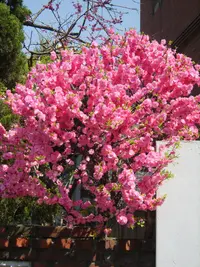
Flowering plum, Prunus triloba, is a deciduous ornamental shrub or small tree valued for its dense spring display of pink, double blossoms on bare branches. It typically forms a rounded shape with upright stems and small, serrated green leaves that follow the flowers.
This species originates from northern China and is commonly used in temperate gardens as a focal point or informal hedge. It is considered moderately easy to grow, as long as it is given full sun, well-drained soil, and protection from prolonged drought or waterlogging. Gardeners who learn how to care for flowering plum usually find it reliable and long-lived in suitable climates.

Care Difficulty
Moderate Care

Light Preference
Full Sun

Water Requirements
Moderate Water

Temperature Preference
Cold Hardy

Hardiness Zone
3–7

Soil Texture
Loamy, Sandy, Clay

Soil pH
Acidic (5.5–6.5), Slightly acidic (6.5–7.0)

Soil Drainage
Moist but well-drained

Fertilization
Minimal (feed rarely)
Scan your plant to receive care tips personalized for your specific plant
Available on iOS and Android
This deciduous shrub needs strong light to flower well and stay compact.
This shrub prefers evenly moist, well-drained soil rather than extremes of wet or dry.
This cold-hardy shrub tolerates a wide outdoor temperature range when established.
Humidity is not a critical factor for Prunus triloba, which adapts well to typical outdoor conditions in most climates.
Prunus triloba performs best in well-aerated, moisture-retentive yet free-draining soil.
This species can be grown in containers if the pot is large and stable enough for its shrub-like form.
This flowering shrub benefits from moderate feeding to support blossoms and steady growth.
Pruning maintains structure, health, and flowering performance in Prunus triloba.
This shrub is usually grown in the ground, so transplanting is more common than long-term container culture.
Prunus triloba is most often propagated from semi-ripe cuttings or by grafting onto hardy Prunus rootstocks.
This shrub is generally cold hardy but benefits from simple winter care in colder regions.

Plant Health Check
Not sure what's wrong with your plant? Check your plant's health inside the app.
Most cultivated flowering almond shrubs are double-flowered selections of Prunus triloba, where extra petals replace some of the reproductive parts, so many blossoms produce little or no viable fruit.
This species typically flowers on bare wood in early spring before leaf-out, so the dense pink blossoms appear along the branches without foliage and are highly visible to early-season pollinators.
Despite the common name flowering almond or flowering plum, it usually remains a multi-stemmed shrub or small standard under cultivation rather than forming a true tree canopy.

Prunus triloba has been cultivated in northern China for centuries as a spring festival ornamental, and traditional gardeners often train it into grafted standards or carefully clipped shapes specifically to emphasize the tight cloud of blossom-covered branches each year.
Lack of flowers usually comes from pruning at the wrong time, excess nitrogen fertilizer, heavy shade, or drought stress. Prune just after spring bloom, use balanced fertilizer, and ensure consistent moisture to support next year’s flower buds when growing flowering plum.
Keep your plants happy and healthy with plant identification, disease detection, and easy care guidance.

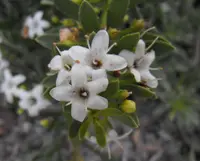
slender myoporum
Myoporum parvifolium
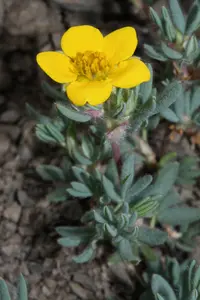
shrubby cinquefoil
Dasiphora fruticosa
 POPULAR
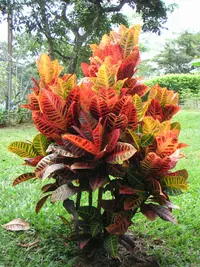
Garden croton
Codiaeum variegatum
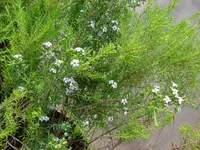
Pink Breath of Heaven
Coleonema pulchellum
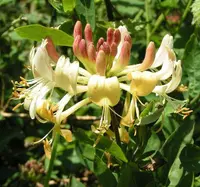
European honeysuckle
Lonicera periclymenum
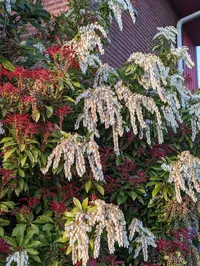
Japanese Pieris
Pieris japonica 'Mountain Fire'
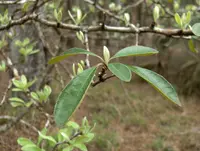
Wooly Bucket Bumelia
Sideroxylon lanuginosum
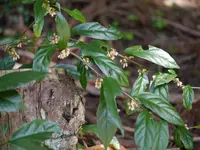
Maesa japonica
Maesa japonica