Substrate pre-soak
Hydrate hardwood chips or leaf litter thoroughly 12–24 hours before inoculation, then drain off excess water so the substrate is moist but not dripping, which improves colonization and reduces contamination risk.

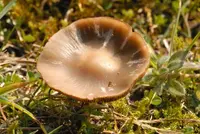
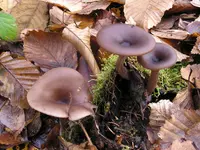
Spring brittlestem, Psathyrella spadiceogrisea, is a small, fragile woodland mushroom rather than a traditional houseplant or garden perennial. It produces thin, brittle stems with bell-shaped to convex caps in soft brown and gray tones, often appearing in loose clusters.
This species typically grows on decaying hardwood debris, roots, or buried wood in parks, gardens, and moist woodlands, especially in spring and early summer. It is short-lived, highly sensitive to drying out, and not considered easy to cultivate, so practical guidance tends to focus on identification rather than how to care for spring brittlestem.

Care Difficulty
Hard Care

Light Preference
Shade

Water Requirements
Keep Soil Moist

Temperature Preference
Cool Climate

Hardiness Zone
Unknown

Soil Texture
Loamy, Silty, Organic-rich

Soil pH
Acidic (5.5–6.5), Slightly acidic (6.5–7.0)

Soil Drainage
Moist but well-drained

Fertilization
Minimal (feed rarely)
Scan your plant to receive care tips personalized for your specific plant
Available on iOS and Android
This saprophytic fungus prefers low to moderate natural light typical of shaded woodland edges.
This species relies on consistently moist, not waterlogged, organic substrates to fruit well.
This fungus develops best in cool to mild conditions typical of temperate woodlands.
This woodland fungus does not need humidity control when encountered outdoors or casually observed.
Psathyrella spadiceogrisea is a saprophytic fungus that fruits best in moist, loose, organic-rich substrates rather than typical potting soil.
This species is not a practical candidate for conventional container growing, as it relies on natural woodland substrates and decaying wood for normal development.
This wild saprobic fungus does not benefit from conventional fertilizing and usually obtains all needed nutrients from decaying organic matter.
Psathyrella spadiceogrisea does not require structured pruning because each mushroom is short-lived and emerges from decaying wood or rich leaf litter.
This fungus is not suited to normal houseplant-style repotting and is best left in undisturbed, naturally rich woodland or garden beds.
Intentional propagation of Psathyrella spadiceogrisea is uncommon and technically demanding outside controlled laboratory or specialized cultivation setups.
This species persists mainly as underground mycelium, which is naturally cold hardy and usually needs no special winter care in temperate climates.

Plant Health Check
Not sure what's wrong with your plant? Check your plant's health inside the app.
This brittle-stemmed mushroom often appears very early in the season, sometimes from late March to May in temperate regions, making it one of the first small saprotrophic fungi to fruit on moist, nutrient-rich soil and woody debris in parks and woodland edges.
Its cap surface shows a characteristic color change from darker brown in the center to paler gray-brown toward the margins as it matures, and the cap often becomes somewhat hygrophanous, meaning it looks darker when wet and much paler as it dries.
The gills start pale grayish to light brown and gradually turn dark purple-brown as spores mature and accumulate, a useful identification feature when comparing it with other fragile, brownish spring fungi.
This species is generally regarded as inedible or of no culinary value. Identification within Psathyrella is difficult, and confusion with toxic look-alikes is possible. For safety, it should not be collected or eaten.
Keep your plants happy and healthy with plant identification, disease detection, and easy care guidance.