7 min read · 6 Aug 2026
Planting Grass Seed in Summer – What Works and What Fails
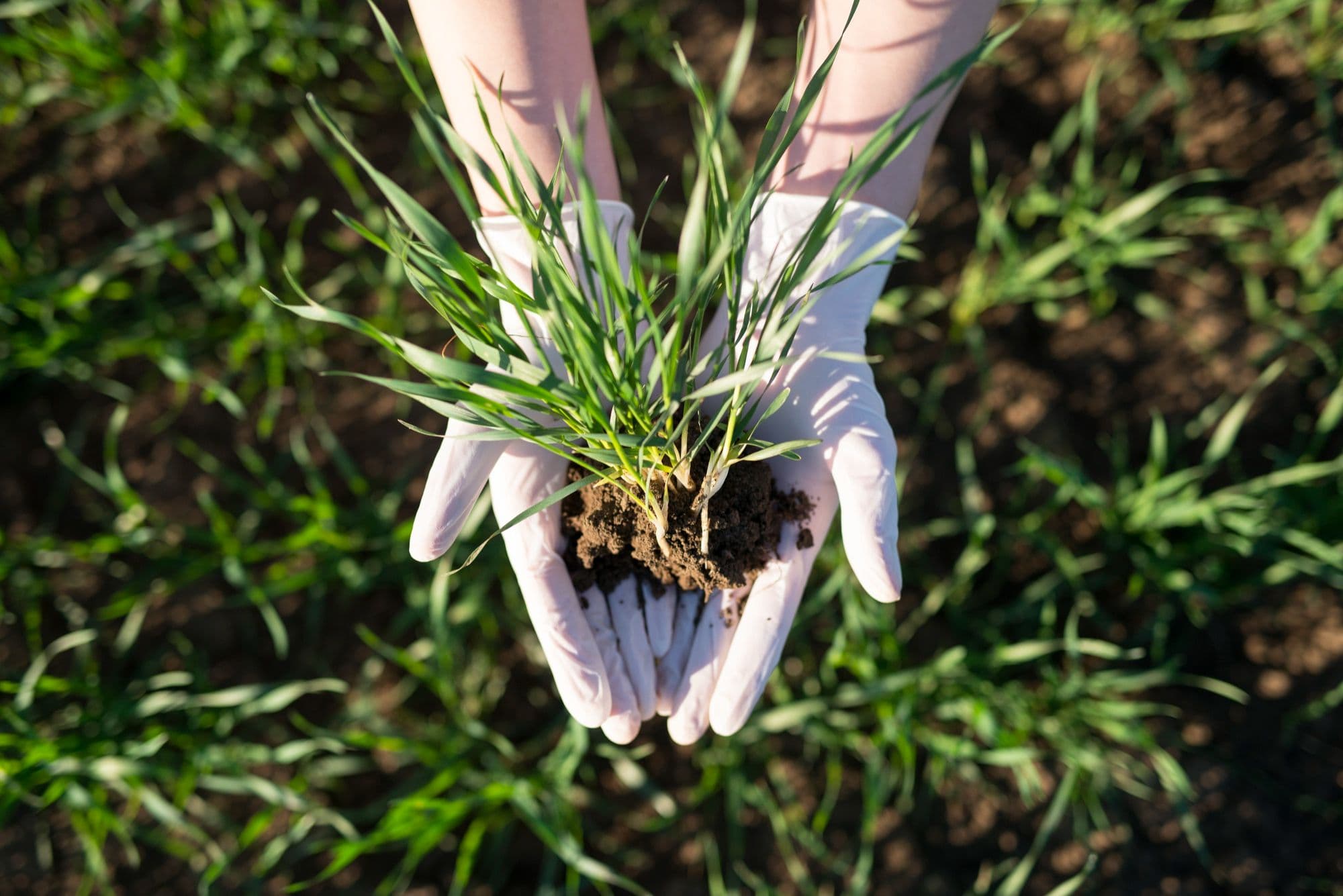
Summer seeding succeeds when the grass type suits the season, and the soil stays moist. Find out how to prepare the seedbed and choose a safe window for planting.
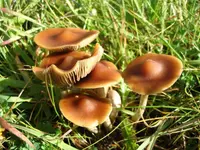
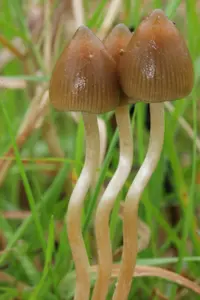
Recognize Psilocybe subaeruginosa by its caramel to chestnut-brown cap, often 1-2 inches (3-5 cm) across, with a distinct pointed bump in the center and a smooth, moist surface.
Check the slender whitish stem, usually 2-6 inches (5-15 cm) tall, and the dark purple-brown gills packed closely under the cap.

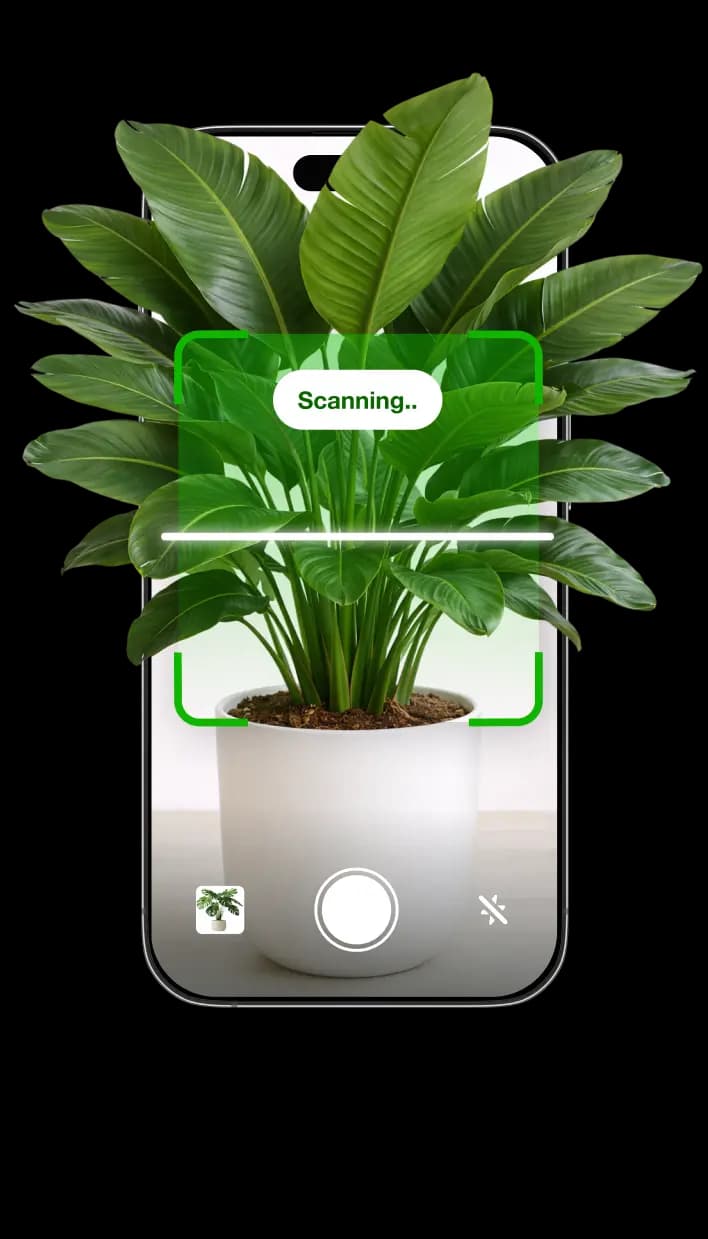
Check your plant ID by uploading a clear photo to Botan.
Clear images work best. Avoid photos taken too close or too far away
Use these quick visual checks for Psilocybe subaeruginosa.
Check several features together rather than relying on cap color alone.
Psilocybe subaeruginosa shows useful visible changes as the fruit body expands and ages.
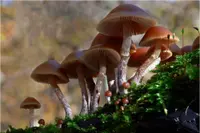
Psilocybe subaeruginosa is most often seen in the cooler, wetter part of the year, when fresh mushrooms appear on wood debris and mulch. This seasonal flush is a practical field clue because fruiting bodies may be absent or scarce in warmer, drier periods. During active fruiting, caps are moist and darker, then often fade as they dry. Older seasonal specimens can look paler and more weathered than newly emerged ones.
A few wood-loving mushrooms can be mistaken for Psilocybe subaeruginosa.
funeral bell(Galerina marginata)
It shares a brown cap, pale gills when young, and growth on wood debris. A safer check is the stem ring and rusty-brown spore deposit in Galerina; P. subaeruginosa lacks a persistent ring and bruises blue more readily.
brick caps(Hypholoma sublateritium)
Dense clusters on stumps and wood chips can cause confusion, especially when caps are chestnut to brick brown. Brick caps usually have yellowish to olive-gray gills and no blue bruising; they also tend to grow in tighter tufts.
Psilocybe subaeruginosa is reliably associated with southern Australia and Tasmania, where records are concentrated in wetter temperate districts. Geography matters here because reports from outside Australia often involve different, similar-looking wood-loving Psilocybe species. It typically fruits on decaying wood chips, woody debris, and enriched soils in gardens, park mulches, and forest edges, especially in cool, moist conditions. Finding it on woody material, rather than directly from dung or open grassland, helps narrow identification.


Quick Plant ID Check
Not sure what plant you have? Take a photo and identify it in the app
Use Botan to compare a photo and help confirm the identification, which can save time and reduce mix-ups with similar species.
The most reliable field marks are a caramel to chestnut cap that becomes paler as it dries, purple-brown spore print, attached gills, and distinct blue bruising on the stem or cap margin.
Use Botan to identify it from a photo, then review plant details, safety notes, and common problems.


7 min read · 6 Aug 2026
Summer seeding succeeds when the grass type suits the season, and the soil stays moist. Find out how to prepare the seedbed and choose a safe window for planting.

10 min read · 25 Aug 2026
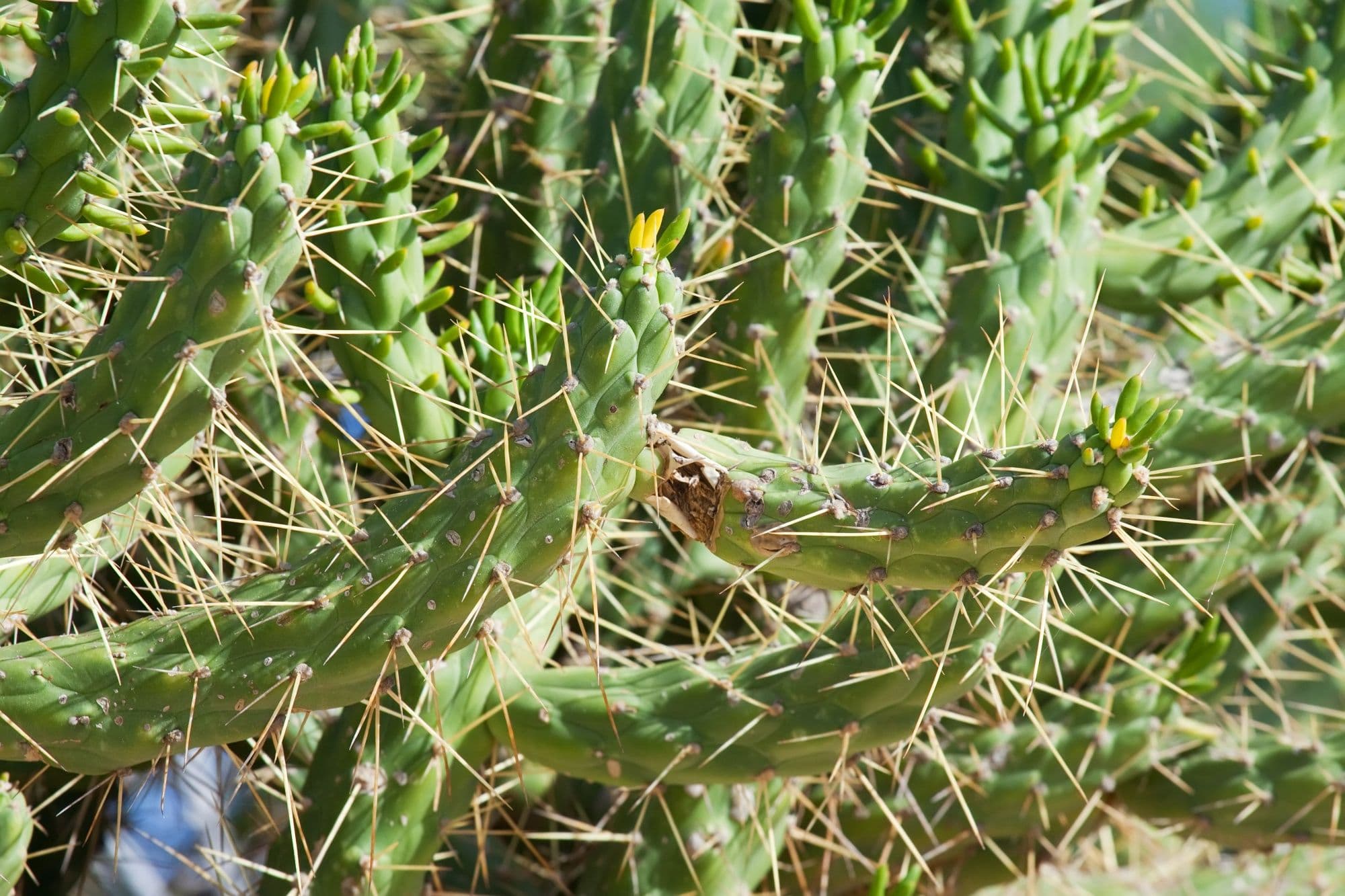
Many plants defend themselves with sharp thorns. This guide explores over 20 examples among flowers, shrubs, trees, and vines. You'll learn what each plant looks like, why it grows thorns, and how to quickly identify them.

6 min read · 13 Jul 2026
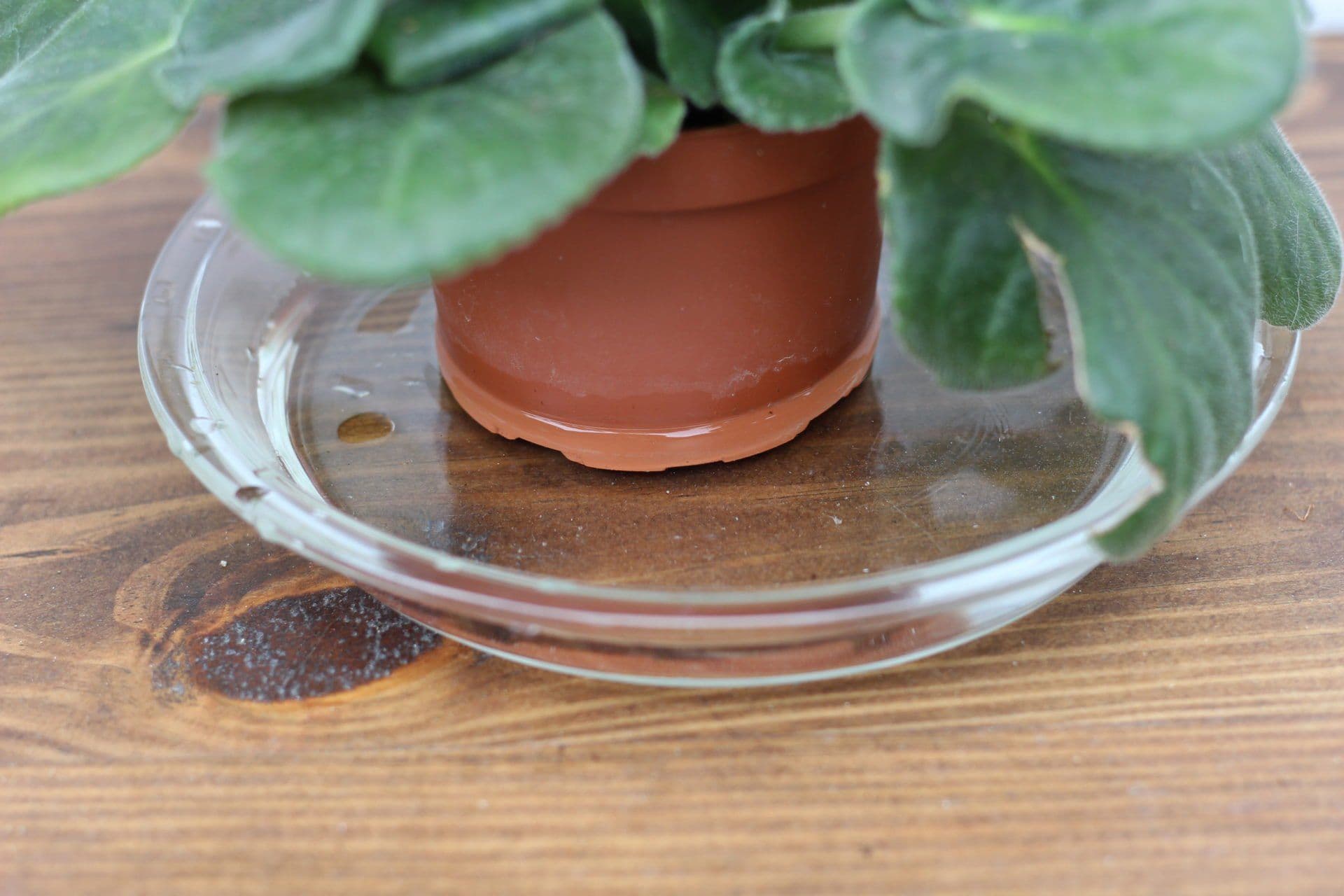
Bottom watering helps soil absorb moisture evenly and keeps foliage dry, reducing the risk of missed dry spots or root problems. Place the pot in a tray of water for a short time, then let it drain well.