


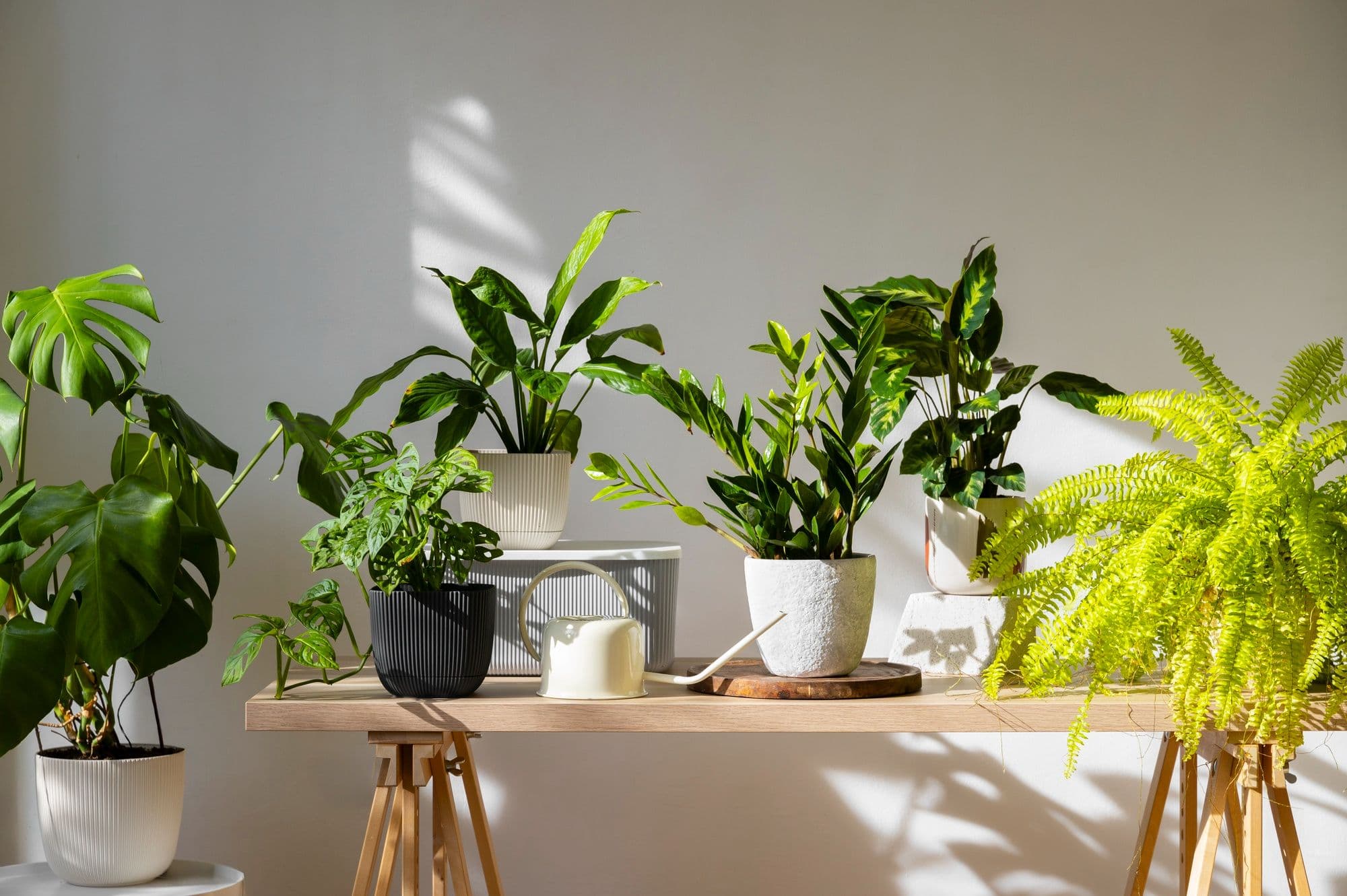
5 min read · 11 Sept 2026
Top 5 Best Indoor Plants for Air Quality
Indoor plants can make a room feel fresher thanks to their air-purifying qualities. Here are 5 of the most suitable choices for your routine and living space.
Plant Recommendations

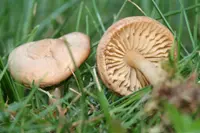
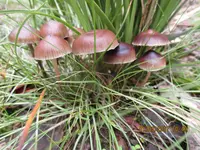
To recognize Psilocybe tasmaniana, look first for a small mushroom with a distinctly conical to bell-shaped cap, usually under 1 inch (2.5 cm) across, on a slender stem.
The stem is long relative to the cap and lacks a ring, and the gills sit closely spaced beneath the cap.
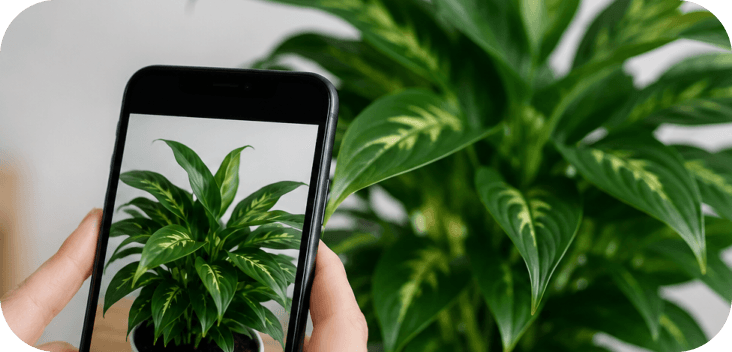
Not sure about your plant ID? Upload a photo and check it with Botan.
Clear images work best. Avoid photos taken too close or too far away
Use these visible traits to check Psilocybe tasmaniana in the field.
Check several specimens, since shape and color can vary within one patch.
Psilocybe tasmaniana shows clear visual shifts from immature pins to spore-bearing mature mushrooms.
Psilocybe tasmaniana is reported from Tasmania, Australia. That geographic link can help, because a small brown mushroom found well outside Tasmania is less likely to be this species. It has been recorded in natural grassy sites rather than woodland or deep forest settings. Habitat alone is not enough for identification, but a Tasmanian collection from open grassland is a more plausible match than one from alpine, desert, or dense rainforest habitats.
Identify Your Plant
Scan your plant to get a quick ID
Use Botan to identify or confirm it from a photo, so you can compare results before making decisions.
This species is typically found in dung-rich grassland settings, especially on or near animal dung. Habitat helps narrow Psilocybe tasmaniana identification because it is not a wood-decaying species usually found on logs or mulch.
Use Botan to identify it from a photo, then review species-specific plant details, care information, and safety notes.
5 min read · 11 Sept 2026
Indoor plants can make a room feel fresher thanks to their air-purifying qualities. Here are 5 of the most suitable choices for your routine and living space.
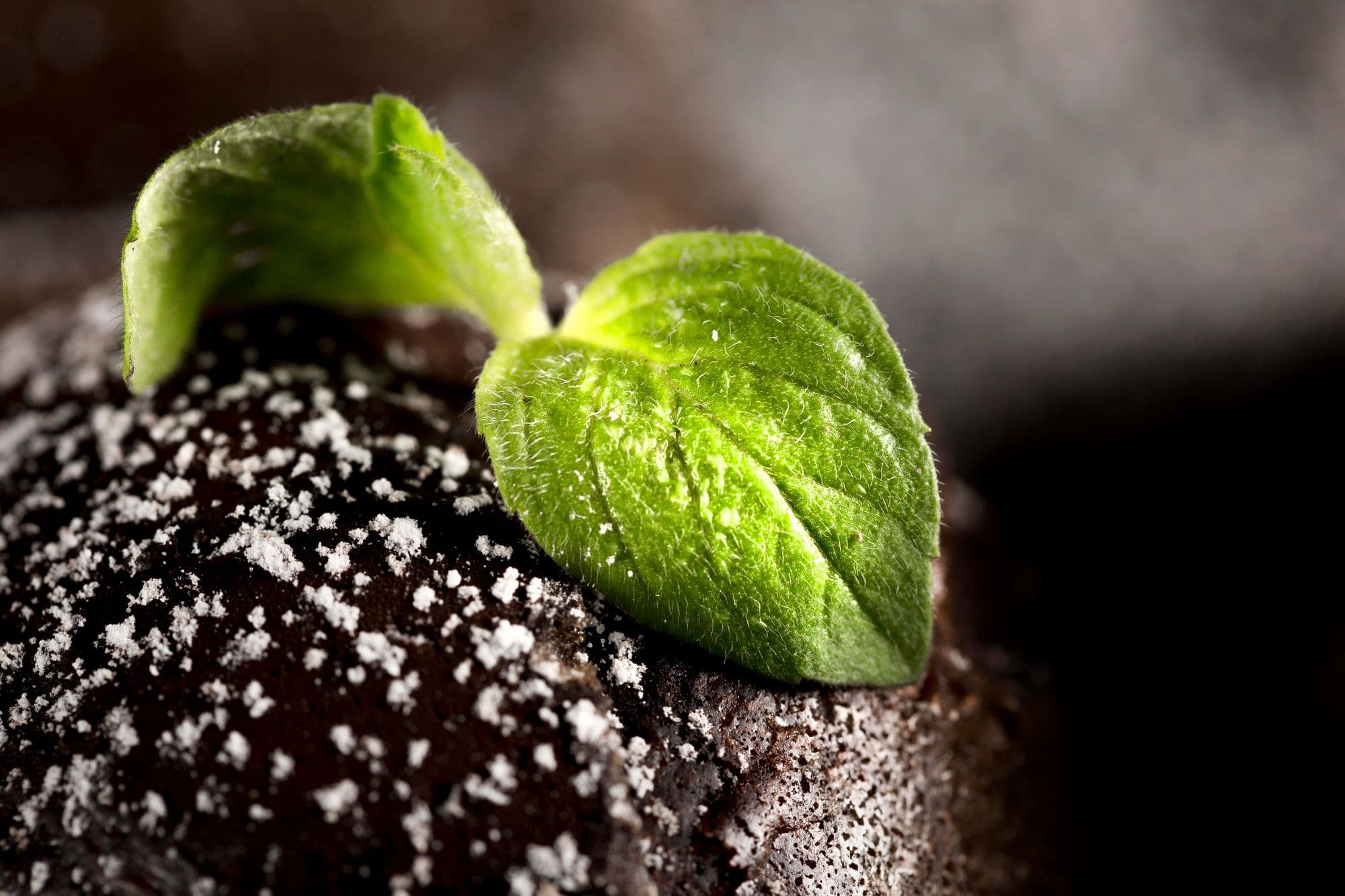
11 min read · 29 Jul 2026
Learn which plants can be seriously damaged by Epsom salt and which will thrive on it. We’ll explain when and how to use it properly, provide tips for indoor & outdoor plants — read on and enjoy a healthy garden.
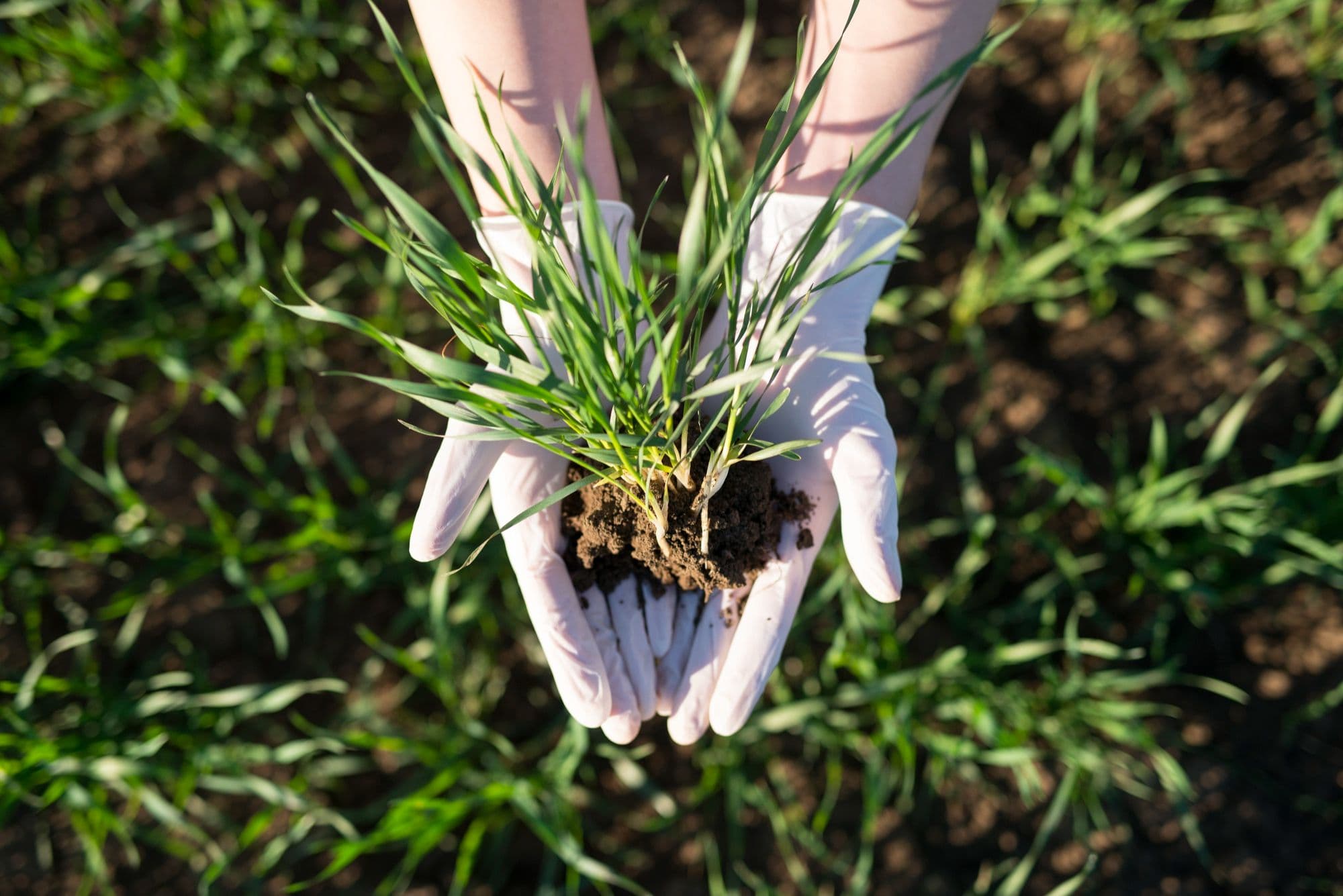
7 min read · 6 Aug 2026
Summer seeding succeeds when the grass type suits the season, and the soil stays moist. Find out how to prepare the seedbed and choose a safe window for planting.