southern brackenfern Care (Pteridium caudatum)

Also known as: Lacy Bracken
southern brackenfern

About southern brackenfern

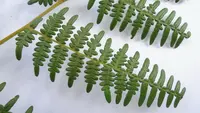
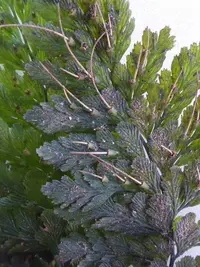
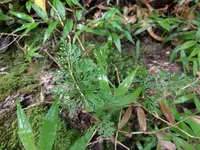
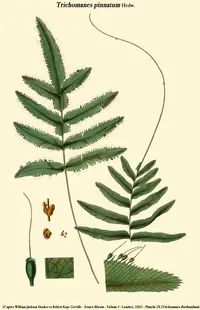
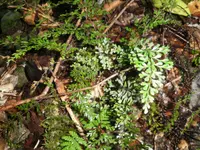
Southern brackenfern (Pteridium caudatum) is a vigorous, spreading fern known for its triangular fronds and underground rhizomes that form large colonies over time. It is usually found in warm, open habitats such as woodland edges, grasslands, and disturbed ground across parts of the Americas.

The plant has an upright but airy look, with fronds that can create a soft, textured backdrop in naturalistic plantings. Its toughness and ability to adapt to poorer soils make it resilient, but the spreading habit can become difficult to manage in small gardens.

Understanding how to care for southern brackenfern starts with its preference for bright, filtered light, moderately moist but well-drained soil, and room for its rhizomes to expand.

Main Plant Requirements

Care Difficulty

Moderate Care

Light Preference

Partial Shade

Water Requirements

Keep Soil Moist

Temperature Preference

Warm Climate

Hardiness Zone

9–11

Soil Texture

Loamy, Sandy, Organic-rich

Soil pH

Acidic (5.5–6.5)

Soil Drainage

Moist but well-drained

Fertilization

Minimal (feed rarely)

Get Personalized Care Plan

Scan your plant to receive care tips personalized for your specific plant

Available on iOS and Android

How to Care for the southern brackenfern

This fern prefers bright, filtered conditions that mimic light woodland shade.

  • Provide 3–5 hours of dappled or filtered sun daily, ideally gentle morning sun with afternoon shade, as southern brackenfern fronds scorch in strong midday exposure.
  • Grow in partial shade under open trees or on the shaded side of structures, where light is bright but indirect for most of the day.
  • In summer, protect from hot western sun; in winter, allow slightly more light by thinning overhead shade, but avoid full, all-day sun.

This species prefers evenly moist, never soggy soil that does not fully dry out.

  • Water when the top 2–3 cm of soil feel just barely dry, aiming for consistently damp soil around the roots rather than a wet or bone-dry cycle.
  • Increase watering in hot, windy weather when fronds lose moisture quickly, and reduce slightly in cool seasons while still preventing the soil from drying completely.
  • Watch for pale, crisping frond tips as a sign of underwatering, and yellowing, soft, or collapsing fronds as a sign of waterlogged soil or poor drainage, especially on heavy clay.

This fern thrives in mild, frost-free climates with stable, moderate temperatures.

  • Optimal growth occurs around 60–77°F (16–25°C), where fronds expand steadily and remain a healthy green color.
  • Pteridium caudatum can tolerate brief drops to about 40°F (4°C) but is sensitive to hard frost; prolonged exposure below 32°F (0°C) can damage or kill fronds.
  • In hot spells above 86°F (30°C), provide extra shade and soil moisture; mulch around the root zone to buffer temperature swings through summer and winter.

This fern prefers consistent, moderately high humidity to keep fronds lush and hydrated.

  • Aim for 50–70% humidity; it tolerates brief dips but prolonged air below 40% causes browning tips and crisp edges.
  • Watch for curling fronds, dull color, and slow unfurling as signs of humidity stress in southern brackenfern.
  • Increase humidity with a pebble tray, grouping plants, or a room humidifier rather than misting, which dries quickly.

This fern grows best in loose, moist, organic-rich soil that mimics woodland leaf litter.

  • Use a mix of 50–60% peat or coco coir with compost plus 20–30% perlite or fine bark for structure and air spaces.
  • Ensure fast but even drainage so the mix holds moisture without waterlogging, which can rot shallow rhizomes of Pteridium caudatum.
  • Keep soil slightly acidic to neutral, around pH 5.5–7.0, avoiding strongly alkaline or chalky conditions that limit nutrient uptake.
  • Improve aeration by adding fine bark or coarse sand if the mix compacts, and avoid heavy clay or pure garden soil in containers.

This species can be grown in containers if the pot is set up to accommodate its spreading rhizomes and moisture needs.

  • Choose a wide, shallow container that allows rhizomes to spread horizontally rather than a very deep, narrow pot.
  • Select a stable, heavier pot material like ceramic if the fern forms a broad, top-heavy crown that could tip lightweight plastic.
  • Provide large, unobstructed drainage holes and empty saucers promptly so water does not pool around the rhizomes.

Pteridium caudatum is light‑feeding and often grows well in moderately fertile soil with minimal supplemental fertilizer.

  • Use a balanced, diluted liquid fertilizer (for example 10‑10‑10 at 1/4–1/2 strength) every 4–6 weeks in spring and summer for container plants.
  • Apply a thin layer of compost around outdoor clumps once each spring as a slow, gentle nutrient source.
  • Stop feeding in fall and winter when growth slows or fronds die back, to avoid weak, soft growth.
  • Rinse the soil with plain water every few months to reduce salt buildup from fertilizers.

Pruning focuses on tidying Pteridium caudatum and managing its spread rather than shaping like a shrub.

  • Cut dead, yellowing, or storm‑damaged fronds at the base whenever noticed, using clean, sharp pruners or scissors.
  • In late winter or early spring, remove old, broken, or crowded fronds to improve air movement and encourage fresher growth.
  • Trim back unwanted spreading rhizomes at the soil edge to limit encroachment into nearby beds or paths.
  • Disinfect tools before and after use in different clumps to lower the risk of spreading fungal or bacterial problems.

This fern spreads by underground rhizomes and is more often managed through transplanting clumps than frequent repotting.

  • Transplant or divide in early spring or early fall, when temperatures are mild and soil moisture is steady.
  • Look for signs like roots circling a pot, fronds declining in size, or very slow growth in containers as cues for moving up 1 pot size.
  • Lift clumps with a spade, slice into sections with several fronds and healthy rhizomes, and replant at the same depth in prepared soil.
  • Water deeply after transplanting, then keep soil evenly moist and shade high sun for 1–2 weeks to reduce root stress.

Pteridium caudatum is most practically propagated by division of its spreading rhizomes rather than spores for home growers.

  • Divide established clumps in early spring or early fall, when plants are actively rooting but not stressed by heat.
  • Use a clean knife or spade to cut rhizome sections with at least 2–3 healthy fronds and several buds.
  • Plant divisions into moist, humus‑rich, well‑drained soil or a peat‑free fern mix, keeping crowns just at soil level.
  • Maintain high humidity, light shade, and consistent moisture until new fronds emerge and growth becomes steady.

In mild climates southern brackenfern needs little winter care, but some protection helps in colder regions or containers.

  • This fern tolerates light frost but may have fronds burned below about 30°F, while underground rhizomes often survive.
  • Apply a 5–8 cm layer of organic mulch over the root zone in late fall, keeping it slightly away from frond bases.
  • In colder zones or for potted plants, move containers into a cool, bright, frost‑free area and water sparingly during dormancy.

Care Tips

Manage Rhizome Spread

Plant in a large, deep container or use an in-ground rhizome barrier 30–40 cm deep to keep the creeping underground stems from becoming invasive and to make division and relocation easier.

Staggered Frond Cutting

Remove only the oldest, yellowing fronds every few weeks rather than clearing many at once, which preserves photosynthesis and reduces stress while still keeping the clump tidy.

Moisture Buffer Mulch

Apply a 3–5 cm layer of fine bark or leaf mold around the base, keeping it a few cm away from rhizomes, to stabilize soil moisture and temperature and reduce weed competition.

Shaded Groundcover Use

Under trees or tall shrubs, allow the fern to form a low groundcover in controlled zones, where its dense fronds help suppress weeds and protect soil from erosion.

Seasonal Wind Protection

In exposed sites, use low windbreaks such as lattice, understory shrubs, or temporary shade cloth during dry, windy periods to prevent frond desiccation and make caring for southern brackenfern more reliable.

Common Pests and Diseases

Fern aphids

These insects feed on tender fronds and rachises, causing puckering, curling, and sticky honeydew that can lead to sooty mold growth. This pest is more common on lush, nitrogen‑rich stands or ferns grown in sheltered, humid sites.

Solution

Rinse colonies off fronds with a firm stream of water, then prune and discard heavily infested or distorted fronds. If needed, use insecticidal soap or a light horticultural oil, making sure to coat the undersides of fronds and repeat every 7–10 days until new growth appears clean.

Fern scale

This pest appears as small, flat or slightly domed brown scales along stalks and the undersides of pinnae, leading to yellowing, stunted fronds, and gradual thinning of the clump. Infestations often develop on older, woody bases and along sheltered midribs.

Solution

Cut out and destroy badly infested fronds and crowns to reduce the population. For remaining plants, gently scrub scale off with a soft brush or cloth dipped in insecticidal soap, then follow with 1–2 applications of horticultural oil, focusing on lower stems and frond bases while keeping the plant well watered but not waterlogged.

Rhizoctonia crown blight

This disease causes brown, sunken lesions at the crown and lower stipes, with fronds collapsing in patches and new croziers failing to unfurl properly. Symptoms include a dry, tan to dark brown rot rather than a soft, water‑soaked decay.

Solution

Remove and discard affected crowns and attached fronds, cutting several cm into healthy tissue. Improve drainage, avoid overhead watering, and maintain good spacing; in high‑value plantings, a targeted fungicide labeled for Rhizoctonia on ferns may be used as a drench around remaining healthy crowns according to label directions.

Fungal leaf spot

This disease produces small, dark brown to black spots on pinnae that can merge into larger dead areas, especially in dense, shaded stands after prolonged leaf wetness. Severely affected fronds may yellow and die back prematurely from the tips inward.

Solution

Prune and dispose of spotted fronds to reduce spore spread, and avoid overhead irrigation so foliage dries quickly. Improve air movement by thinning dense growth and, if needed, apply a fern‑safe fungicide labeled for foliar leaf spots at the first sign of new lesions.

Caterpillar defoliation

These insects chew irregular holes along the edges and centers of pinnae, sometimes stripping entire fronds in local patches. Damage often appears suddenly in warm seasons when larvae emerge and feed at night or in sheltered, weedy margins.

Solution

Handpick caterpillars in the evening and remove or destroy heavily chewed fronds to limit further feeding. In larger plantings, a biological product containing Bacillus thuringiensis (Bt) can be applied to young fronds, targeting actively feeding larvae while preserving most natural predators, which supports long‑term Pteridium caudatum care.

Interesting Facts

Neotropical scrambling fern

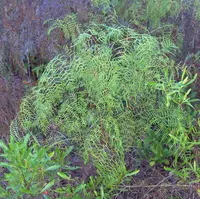
This species is native to tropical and subtropical regions of the Americas, where it often forms long, scrambling fronds that run over shrubs, rocks, and soil rather than forming a neat, upright clump.

Clonal spread by rhizomes

It spreads through tough, creeping underground rhizomes (modified stems) that allow one genetic individual to occupy large areas of disturbed ground, roadsides, and forest margins.

Pioneer in disturbed habitats

This fern commonly colonizes recently cleared or burned sites in warm regions, where its dense frond cover can shade the soil surface and influence which other plants are able to establish.

Botan icon

Did you know?

In some Neotropical landscapes this species forms nearly continuous ground cover over large tracts of land, creating extensive monospecific stands that can significantly alter understory light levels and microclimate for other organisms.

FAQs about southern brackenfern

This species spreads strongly by underground rhizomes and can form large colonies. In mild, moist climates it may outcompete smaller plants. Use root barriers, edging, or containers if garden space is limited or neighboring plants are delicate.

Grow Healthy Plants with Botan Care

Keep your plants happy and healthy with plant identification, disease detection, and easy care guidance.

Botan plant care app — identify plants on mobile

Explore More Plants