

Rotate for symmetry
Turn the pot 90° every 2–3 weeks so fronds develop evenly on all sides and the plant does not lean toward its brightest light source.

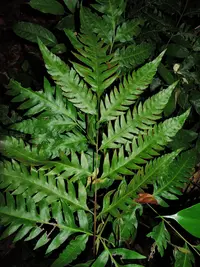
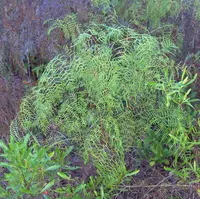
Tall brake, Pteris altissima, is a tropical fern known for its upright, arching fronds and graceful, airy look. It usually forms clumps that can reach impressive heights in suitable conditions.
In nature it grows on shaded forest floors and rocky slopes in tropical regions, often in humid, warm habitats. Its evergreen foliage and relatively fast growth make it attractive for indoor and shaded outdoor plantings.
This fern favors consistent moisture, high humidity, and a loose, rich substrate, so care for tall brake is easier when these basic needs are met. It is moderately demanding and best suited to growers who can offer stable indoor conditions.

Care Difficulty
Moderate Care

Light Preference
Partial Shade

Water Requirements
Keep Soil Moist

Temperature Preference
Tropical / Frost Sensitive

Hardiness Zone
10–12

Soil Texture
Loamy, Peaty, Organic-rich

Soil pH
Acidic (5.5–6.5)

Soil Drainage
Moist but well-drained

Fertilization
Light (every 4–6 weeks)
Scan your plant to receive care tips personalized for your specific plant
Available on iOS and Android
This fern prefers bright, filtered conditions that mimic light under a forest canopy.
This fern prefers evenly moist conditions without staying waterlogged.
This species thrives in warm, frost-free conditions similar to a tropical understory.
This fern prefers consistently high humidity and reacts poorly to very dry indoor air.
This species prefers a loose, moist, organic-rich medium that drains freely yet never dries out completely.
This fern adapts well to container culture when the pot supports its tall, upright growth.
This fern benefits from light, consistent feeding during active growth but reacts poorly to heavy fertilizer.
Pruning Pteris altissima focuses on hygiene and maintaining an open, balanced clump.
This fern prefers slightly snug pots but benefits from occasional repotting into fresh, airy mix.
Propagation of this fern is most reliable by careful division of mature clumps.
In mild climates this fern can grow year-round but needs protection from freezing conditions.

Plant Health Check
Not sure what's wrong with your plant? Check your plant's health inside the app.
In the wild, this species often grows on moist, shaded rock faces and stream banks in tropical forests, showing a strong preference for continuously damp, mineral-rich substrates rather than typical forest soil.
Mature plants can develop single fronds over 1 m long in suitable tropical conditions, which is unusually tall for a Pteris fern and gives rise to the common name tall brake.
Pteris altissima is native to humid lowland and montane tropical regions of the Americas, where it forms part of the forest understory and benefits from filtered light beneath taller trees.
Browning usually comes from low humidity, excessive direct sun, or buildup of salts from fertilizer or hard water. Trim damaged fronds, flush the pot with clean water occasionally, and maintain stable, moderately humid indoor air.
Keep your plants happy and healthy with plant identification, disease detection, and easy care guidance.

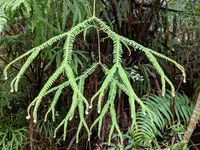
Sticherus flagellaris
Sticherus flagellaris
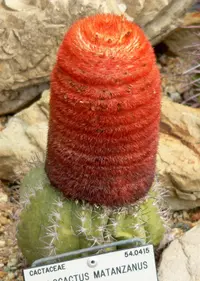
Dwarf turk's cap cactus
Melocactus matanzanus
Pouteria cayennensis
Pouteria cayennensis
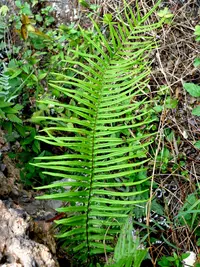
longleaf brake
Pteris longifolia
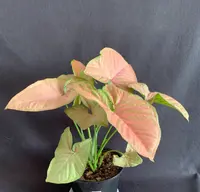
Arrowhead Plant
Syngonium podophyllum 'Pink Allusion'
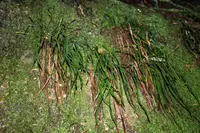
tape fern
Haplopteris ensiformis
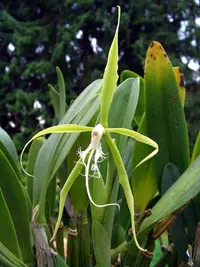
fringed star orchid
Epidendrum ciliare
southern brackenfern
Pteridium caudatum