Division for Renewal
Divide crowded clumps every 2–3 years in early spring, replanting healthy fans with firm rhizomes into fresh mix to maintain vigorous, evenly filled pots when growing Pteris dentata.

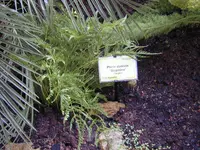
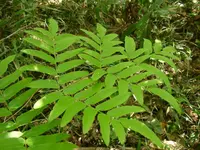
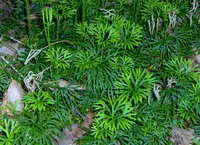
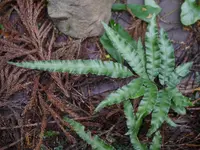
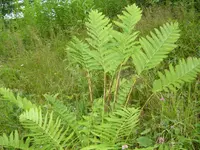
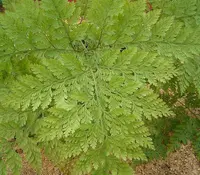
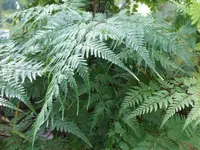
Pteris dentata is a terrestrial fern known for its divided, often slightly toothed fronds that form a soft, upright clump. It stays relatively compact, which suits containers and small shaded gardens.
This species occurs naturally in parts of tropical and subtropical Asia, often in moist, shaded forest habitats. It prefers consistently damp, humus-rich soil and protection from strong sun.
Under suitable indoor humidity and stable temperatures, it adapts reasonably well as a houseplant, though it can react poorly to drying out or drafty spots. Learning how to care for Pteris dentata mainly involves keeping moisture and shade conditions stable.

Care Difficulty
Moderate Care

Light Preference
Partial Shade

Water Requirements
Keep Soil Moist

Temperature Preference
Warm Climate

Hardiness Zone
9–11

Soil Texture
Loamy, Peaty, Organic-rich

Soil pH
Acidic (5.5–6.5), Slightly acidic (6.5–7.0)

Soil Drainage
Moist but well-drained

Fertilization
Light (every 4–6 weeks)
Scan your plant to receive care tips personalized for your specific plant
Available on iOS and Android
This fern prefers soft, indirect light that mimics a shaded forest floor.
This species prefers evenly moist, never soggy soil around its roots.
This fern thrives in mild, frost-free conditions with stable temperatures.
This fern needs consistently high humidity to keep fronds lush and prevent browning.
This species prefers a loose, humus-rich, evenly moist substrate that drains freely.
This fern is well suited to container culture due to its compact root system and spreading fronds.
Light feeding supports steady growth of Pteris dentata in containers but heavy fertilization is unnecessary.
Pruning is mainly used to keep Pteris dentata tidy and to remove declining fronds.
Repotting or transplanting helps maintain root health and stable growth for Pteris dentata in containers or shaded beds.
Propagation of Pteris dentata is most reliable by division, with spores used mainly by experienced growers.
Winter care for Pteris dentata depends on local climate and whether the plant is in-ground or in a container.

Plant Health Check
Not sure what's wrong with your plant? Check your plant's health inside the app.
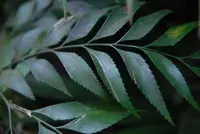
The distinctive small teeth along the frond margins are a diagnostic feature of this species and may help reduce herbivory by making the leaf edges less palatable to some grazing insects.
This fern is naturally associated with shaded, humid forest habitats and is often found on moist, well-drained soils, which explains its sensitivity to drying out in cultivation.
Like other true ferns, this species reproduces via spores borne on the undersides of its fronds, following a two-stage life cycle with a microscopic gametophyte generation that requires consistent moisture to develop.
Brown tips or edges usually result from low humidity, excess fertilizer salts, or irregular watering that lets the root zone swing from very wet to very dry. Check water quality, flush the substrate, and increase ambient humidity moderately.
Keep your plants happy and healthy with plant identification, disease detection, and easy care guidance.