Chestnut-leaved Oak Care (Quercus castaneifolia)

Chestnut-leaved Oak

About Chestnut-leaved Oak

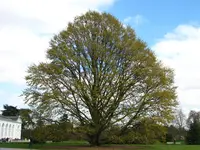
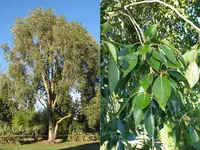
Chestnut-leaved oak (Quercus castaneifolia) is a large, long-lived deciduous tree known for its broad, chestnut-like leaves and strong, upright form. It develops a tall trunk with a wide, rounded crown, making it suitable for parks, estates, and large gardens rather than small yards.

This species is native to regions around the southern Caspian Sea, especially in Iran and neighboring areas, where it forms mixed forests. It is generally robust once established, but needs space, well-drained soil, and a temperate climate with moderate moisture. Understanding how to care for Chestnut-leaved Oak focuses mainly on giving it enough room, suitable soil, and stable outdoor conditions.

Main Plant Requirements

Care Difficulty

Moderate Care

Light Preference

Full Sun

Water Requirements

Moderate Water

Temperature Preference

Cold Hardy

Hardiness Zone

5–8

Soil Texture

Loamy, Clay, Organic-rich

Soil pH

Acidic (5.5–6.5), Slightly acidic (6.5–7.0)

Soil Drainage

Moist but well-drained

Fertilization

Minimal (feed rarely)

Get Personalized Care Plan

Scan your plant to receive care tips personalized for your specific plant

Available on iOS and Android

How to Care for the Chestnut-leaved Oak

This species prefers full sun in most temperate landscapes for strongest growth and crown development.

  • Provide 6–8 hours of direct sun daily; Chestnut-leaved Oak performs best with open exposure rather than dense shade.
  • Tolerates light to partial shade, especially in early years, but dense shade causes thin growth, sparse foliage, and increased risk of fungal issues.
  • In hot climates, some afternoon shade can reduce leaf scorch and drought stress, while winter sun exposure supports bud formation and overall vigor.

Quercus castaneifolia prefers evenly moist, deep, well-drained soil, especially while establishing.

  • For young trees, water when the top 5–8 cm of soil feels dry, applying a slow, deep soak that moistens 30–45 cm of soil depth.
  • Reduce supplemental watering in cool, rainy seasons and increase it during hot, dry periods; mature trees often need water only during prolonged drought.
  • Ensure soil drains freely; symptoms of overwatering include yellowing leaves and dieback, while curling or crisp leaf edges signal drought stress.

This hardy oak thrives in temperate climates with cool winters and warm summers.

  • Optimal growing temperatures are about 60–80°F (16–27°C), supporting steady shoot extension and leaf development during the growing season.
  • Mature trees tolerate winter lows near 0°F (−18°C) once established, though young plants benefit from protection from severe, drying winds.
  • It handles summer heat up to about 90–95°F (32–35°C) if soil moisture is adequate; prolonged extremes beyond this can increase leaf scorch and stress.

Humidity is rarely a limiting factor for Quercus castaneifolia in typical outdoor conditions.

Quercus castaneifolia prefers deep, moisture-retentive but free-draining ground with stable structure.

  • Use a loamy soil rich in organic matter, with visible crumb structure that holds moisture but does not stay waterlogged.
  • Aim for slightly acidic to neutral pH, roughly 6.0–7.0, avoiding strongly alkaline, chalky subsoils that can limit nutrient uptake.
  • In heavy clay, incorporate 5–10 cm of compost plus coarse sand or fine gravel into the top 30–40 cm to improve drainage and aeration.
  • Avoid compacted or intermittently flooded sites, as low oxygen around roots increases risk of root rot and poor growth.

This species is only suitable for short-term or juvenile growth in containers, not for long-term cultivation.

  • Choose a tall, heavy container to give deep root run and reduce tipping as the crown becomes heavier and wind-exposed.
  • Use a mineral-rich, loam-based mix rather than light peat-only compost so the pot does not dry out or overheat too quickly.
  • Position the container where wind exposure is reduced, since a top-heavy young tree in a movable pot is prone to rocking that damages roots.

This oak generally needs little feeding once established, but light fertilization can support young or stressed Chestnut-leaved Oak trees.

  • Use a balanced slow-release NPK fertilizer or well-rotted compost in early spring to support new growth.
  • Apply once per year during the active growing season; avoid multiple heavy applications.
  • Use fertilizer at half the label rate around the drip line, keeping granules off the trunk.
  • Do not feed in late fall or winter, as dormant roots absorb little and excess salts can build up.

Pruning for Quercus castaneifolia focuses on safety, structure, and removal of damaged wood rather than heavy shaping.

  • Carry out main pruning in late winter or very early spring, before bud break, to limit stress and bleeding sap.
  • Remove dead, diseased, crossing, or storm-damaged branches, cutting back to the branch collar without leaving stubs.
  • Thin congested interior branches slightly to improve airflow and light, maintaining a strong central leader.
  • Use clean, sharp bypass pruners or a pruning saw, disinfecting blades between cuts if disease is present.

This species is usually grown in the ground; focus on correct transplanting of young trees rather than frequent repotting.

  • Transplant in late fall or early spring when the tree is dormant and soil is workable, reducing transplant shock.
  • Look for circling roots in container stock; gently tease them outward and prune any tightly girdling roots before planting.
  • Set the tree at the same depth it grew in the nursery, spreading roots over a wide, loosened planting area.
  • Water deeply after planting, then maintain even moisture for the first 1–2 growing seasons to help re-establish the root system.

Quercus castaneifolia is mainly propagated from seed; vegetative methods are uncommon and more technical.

  • Collect ripe acorns in fall, discarding any that float in water as they are often non-viable.
  • Stratify acorns in moist sand or peat at 34–41°F for 8–12 weeks to break dormancy.
  • Sow in deep containers or nursery beds with well-drained soil, covering seeds lightly and keeping medium evenly moist.
  • Protect seedlings from rodents and heavy frost in the first winter, then gradually harden them for outdoor planting.

Mature Quercus castaneifolia is cold hardy in much of its range and usually needs minimal winter care once established.

  • In colder regions, apply a 5–8 cm mulch layer over the root zone, keeping it a few cm away from the trunk.
  • Young or newly planted trees benefit from burlap wraps around the lower stem to reduce sunscald and cracking.
  • Container-grown specimens in very cold climates should be moved to an unheated, sheltered space to prevent root freezing.

Care Tips

Early leader selection

In the first 3–5 years, choose one strong central shoot as the main leader and remove competing uprights in late winter to develop a stable, wind-resistant crown.

Root flare exposure

After planting, gently pull soil and mulch away from the trunk base so the root flare is visible and kept dry, which reduces risk of rot and improves long-term stability.

Deep mulching ring

Maintain a 60–120 cm wide mulch ring, 5–8 cm deep and off the trunk, to protect surface roots, moderate soil temperature, and reduce mower and string-trimmer damage.

Drought hardening strategy

Once established, water less frequently but deeply during dry spells to encourage deeper rooting and better drought tolerance rather than shallow, frequent watering.

Seasonal pest monitoring

From late spring through summer, inspect new growth and leaf undersides every 2–3 weeks for scale, aphids, or mildew, so that caring for Chestnut-leaved Oak includes timely, targeted treatment before infestations build up.

Common Pests and Diseases

Oak mildew

This disease causes a white to gray powdery coating on young leaves, shoots, and sometimes acorns, often in warm, dry conditions with cool nights.

Solution

Prune and destroy heavily infected young shoots to reduce spore load, improve air circulation around the canopy, and avoid overhead watering that keeps foliage damp for long periods; in high-value trees, a targeted fungicide labeled for oak powdery mildew can be used according to local guidelines as part of broader Quercus castaneifolia care instructions.

Oak leaf blister

This disease produces raised, swollen, yellow-green to brown blisters on leaves, which may cause minor distortion but rarely serious decline in mature trees.

Solution

Rake and dispose of fallen leaves in autumn to reduce overwintering spores, avoid unnecessary overhead irrigation of foliage, and, for young or repeatedly affected trees, consider a preventative fungicide spray at bud break after consulting local arboricultural advice.

Oak wilt

This disease leads to sudden leaf wilting, bronzing, and premature leaf drop, often progressing from the upper crown downward and potentially killing trees within a single season in susceptible areas.

Solution

Promptly remove and destroy infected trees or branches under professional guidance, avoid pruning or wounding trees during the growing season when beetle vectors are active, and prevent root graft transmission by trenching or physical root barriers where oak wilt is known to occur.

Oak processionary moth

This pest defoliates trees by feeding on leaves in spring and early summer; caterpillars carry irritating hairs that are hazardous to humans and animals.

Solution

Monitor for characteristic nests and caterpillar trails early in the season, arrange for professional removal of nests to avoid contact with hairs, and support natural predators by maintaining habitat diversity around plantings rather than relying on broad-spectrum insecticides.

Gall wasps

These insects induce small to conspicuous galls on leaves, buds, or twigs, which can look like knobs, spheres, or swellings but usually cause only cosmetic damage on healthy trees.

Solution

Prune out and destroy heavily galled twigs where practical, maintain overall tree vigor through proper watering and mulching, and avoid unnecessary chemical treatments since natural predators typically keep populations in check.

Interesting Facts

Chestnut-like foliage

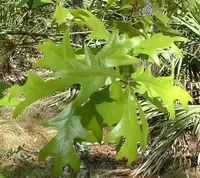
This oak has long, serrated leaves that closely resemble those of true chestnut trees (genus Castanea), which is the origin of its common name chestnut-leaved oak.

Native Caspian forests

It is naturally distributed around the southern and southwestern coasts of the Caspian Sea, especially in Iran and Azerbaijan, where it forms part of the humid Hyrcanian broadleaf forest ecosystem.

Notable cold hardiness

Despite its origin in mild, humid forests, this species has shown good tolerance to winter cold in cultivation across parts of Europe and North America, making it of interest for temperate urban and park planting when considering Quercus castaneifolia care.

Botan icon

Did you know?

Mature chestnut-leaved oaks can develop deeply furrowed, rugged bark and very heavy, wide-spreading crowns, and some cultivated specimens in Europe have reached impressive sizes that make them prominent landscape landmarks.

FAQs about Chestnut-leaved Oak

This tree grows at a moderate rate in suitable conditions, usually adding 30–60 cm of height per year. Growth is faster in deep, fertile, evenly moist soil and slows in compacted, dry, or nutrient-poor sites.

Grow Healthy Plants with Botan Care

Keep your plants happy and healthy with plant identification, disease detection, and easy care guidance.

Botan plant care app — identify plants on mobile

Explore More Plants