


shingle oak Identification (Quercus imbricaria)

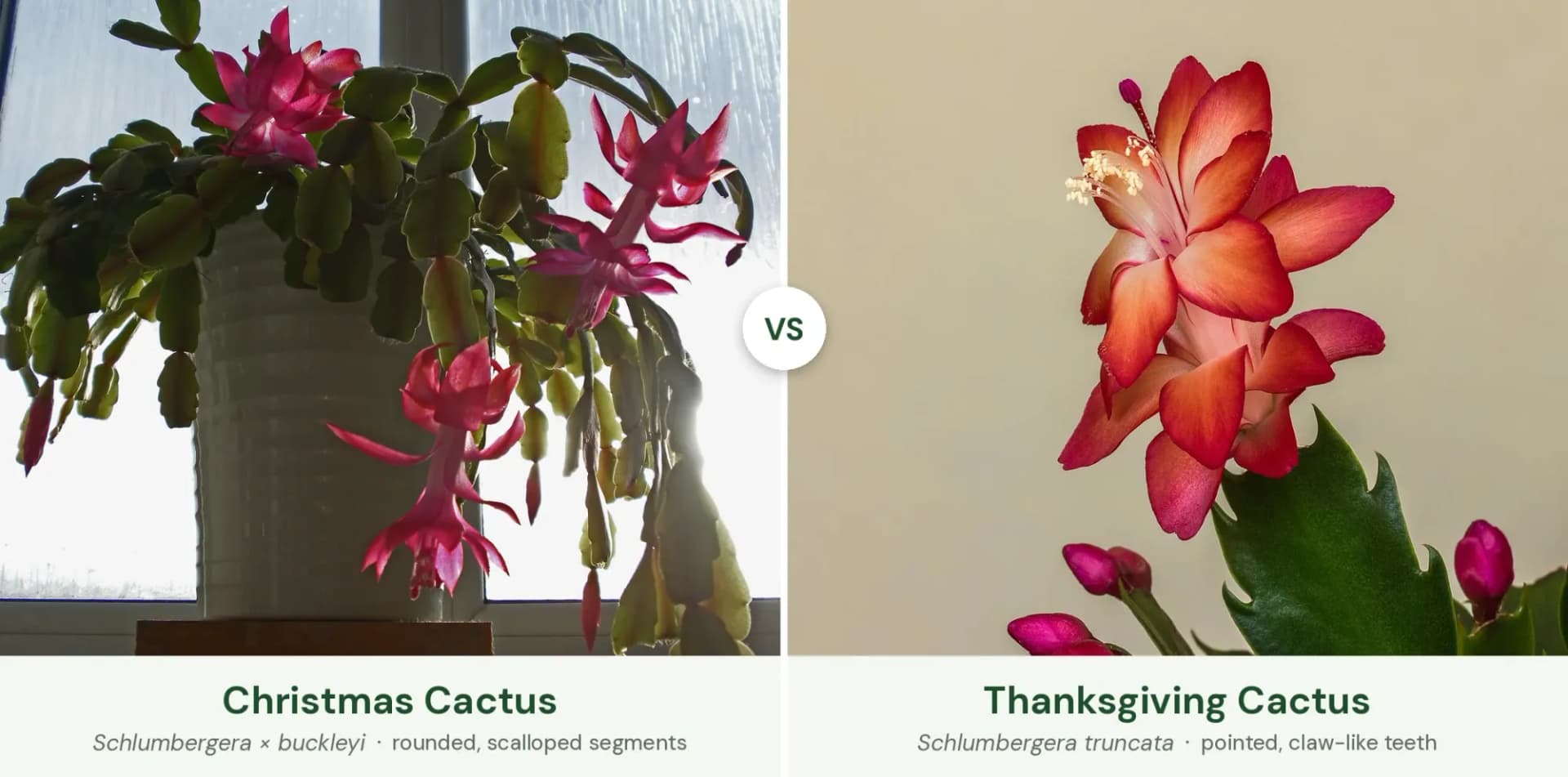
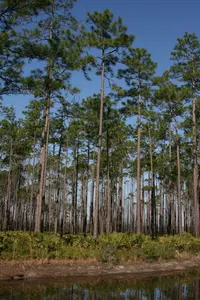
To recognize shingle oak, look first for simple, alternate leaves that are narrow and unlobed, usually 4 to 6 inches (10 to 15 cm) long, with a small bristle tip.

It also forms small acorns about 1/2 inch (1.3 cm) long, and the trunk develops dark gray bark with broad, shallow ridges.

Quercus imbricaria Identification

Scan to Confirm shingle oak

Take a photo and use Botan to confirm your plant identification.

Clear images work best. Avoid photos taken too close or too far away

  • 1 free identification
  • No sign-up
  • 30,000+ plants in database

Check the leaves, twigs, bark, and acorns of Quercus imbricaria.

  • Leaves are simple, alternate, narrow to oblong, and usually unlobed, about 4–6 inches (10–15 cm) long.
  • Leaf tips end in a small bristle, a key oak feature in the red oak group.
  • Twigs are slender, often olive-brown, with small pointed buds set close to the stem.
  • Bark on mature trunks is dark gray and broken into broad, low ridges rather than deep furrows.
  • Acorns are small to medium, with a shallow cap covering about one-third to one-half of the nut.

The willow-like, unlobed leaves are often the fastest field clue.

Quercus imbricaria shows useful visual shifts from narrow-leaved seedlings to broad-crowned fruiting trees.

  • Seedling: Seedlings carry alternate, unlobed leaves that are narrower and thinner than later foliage, on a slender upright stem with little branching.
  • Young plant: Young plants form a small tree with a straight central leader and ascending side branches; leaves are typically 4-6 inches (10-15 cm) long.
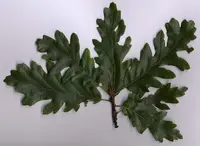
  • Mature plant: Mature trees develop a rounded to broadly oval crown, heavier trunk, and thicker lateral branches, giving a denser, more shaded silhouette than younger plants.
  • Fruiting stage: Fruiting branches show small acorns set singly or in pairs, with a shallow cap enclosing about one-third of each nut.

In spring, shingle oak leafs out with narrow, willow-like leaves that expand to a smooth, glossy green. Male catkins may hang briefly as the new leaves emerge. By late fall, foliage usually turns yellow-brown to bronze before dropping. Winter then exposes the rounded crown, dark ridged bark, and slender twigs, which make the tree easier to recognize without leaves.

Several oaks with unlobed or nearly unlobed leaves can be mistaken for shingle oak.

willow oak(Quercus phellos)

Often confused because both have narrow, willow-like leaves without lobes. Willow oak leaves are usually much slimmer, often under 1 inch (2.5 cm) wide, while Quercus imbricaria leaves are broader and more oblong. Acorns on willow oak are also smaller.

laurel oak(Quercus laurifolia)

This species can look similar because its leaves are also unlobed and oval to lance-shaped. Laurel oak usually has leaves widest above the middle, often with a small bristle tip, while Quercus imbricaria more often has broader leaves with a more even outline.

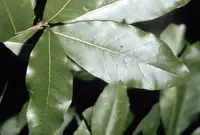
Quercus imbricaria is native to the eastern and central United States, from southern New England and New York west to the Midwest and south into the upper South. It is most often found in open woodlands, along streambanks, on lower slopes, and on dry to moist upland sites. In much of this range, seeing it in inland woods rather than coastal or high mountain habitats helps narrow identification.

  • Acorns and leaves: Quercus imbricaria, like other oaks, contains tannins in the acorns and leaves. Ingestion can be harmful to humans and pets, especially dogs, livestock, and other animals that eat larger amounts.
  • Ingestion risk, not skin contact: The main concern is swallowing plant parts, especially acorns and leaves. Routine skin contact with bark or leaves is not a well-established hazard for most people.

Confirm the Species with Botan

Upload a photo to help identify the plant or verify your ID before you label it or compare similar species.

FAQ

The clearest clue is its unlobed oak leaf. Most leaves are narrow, willow-like, 4 to 6 inches (10 to 15 cm) long, with smooth edges and a small bristle tip, uncommon among eastern oaks.

More Plant Identification Guides

Identify First. Learn What Comes Next.

Use Botan to identify a plant from a photo, then review plant details, care information, and common problems.

Botan app identifying a plant from a photo
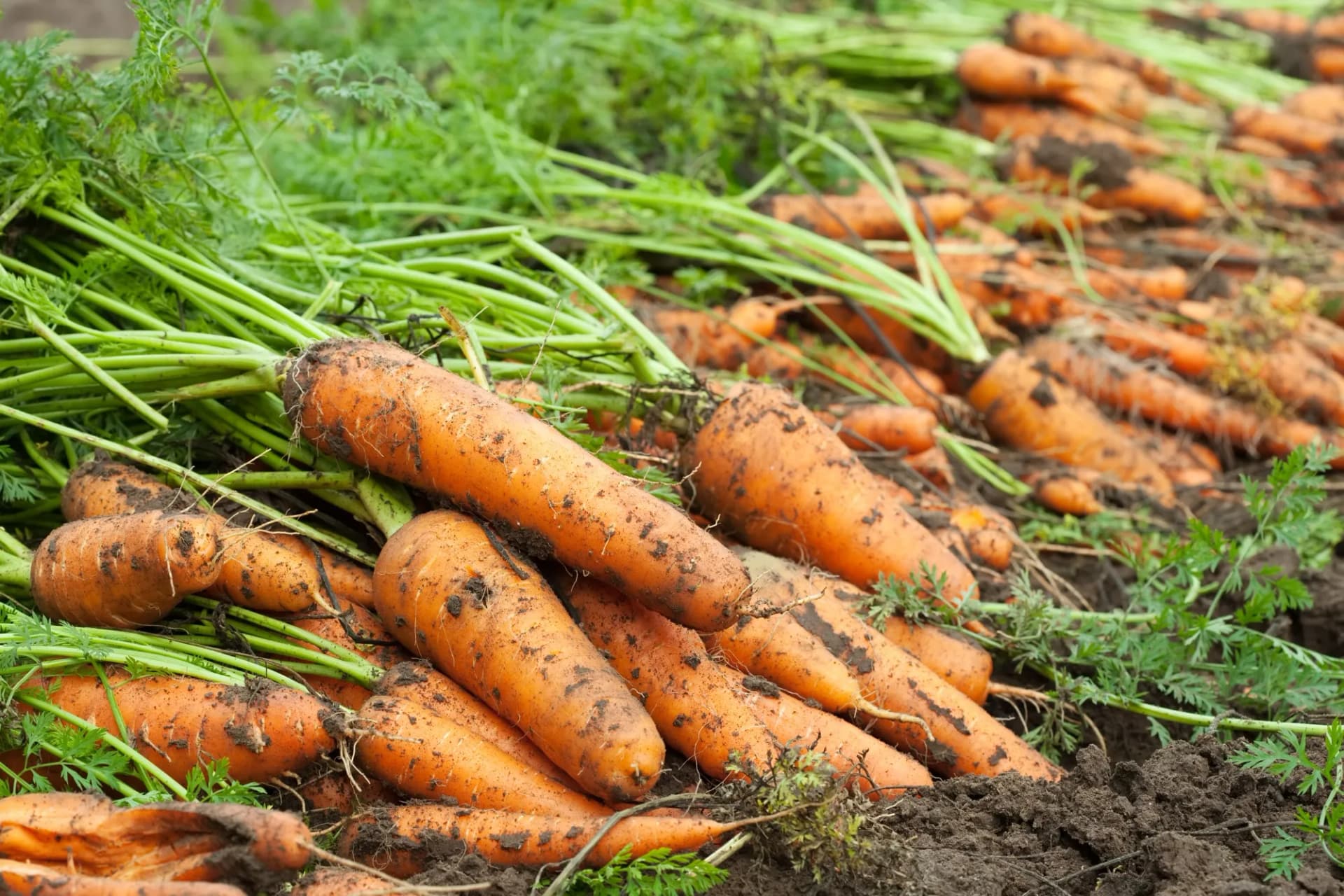
When to Harvest Carrots: Timing, Signs, and How to Pick Them

6 min read · 23 Oct 2026

When to Harvest Carrots: Timing, Signs, and How to Pick Them

Carrots are usually ready 60-80 days after sowing them in the soil, depending on the variety. Learn how to recognize maturity signs, choose the right harvest season, pull carrots without damaging them, and store roots after picking.

Plant Care
When to Harvest Carrots: Timing, Signs, and How to Pick Them
Banana Peel Water for Plants: 5 Things to Know Before Trying It

5 min read · 9 Jul 2026

Banana Peel Water for Plants: 5 Things to Know Before Trying It

Banana water can provide potassium and some nutrients that may support plant growth, but it is not a universal fix. Use it carefully and only when the plant actually shows signs of nutrient deficiency rather than as a routine treatment.

Plant Care
Banana Peel Water for Plants: 5 Things to Know Before Trying It
Christmas Cactus vs Thanksgiving Cactus: How to Tell Them Apart

7 min read · 24 Nov 2026

Christmas Cactus vs Thanksgiving Cactus: How to Tell Them Apart

Christmas and Thanksgiving cacti look remarkably similar, but their stem shapes, flowers, and blooming seasons reveal important differences.

Plant Recommendations
Christmas Cactus vs Thanksgiving Cactus: How to Tell Them Apart