netleaf oak Care (Quercus rugosa)

netleaf oak

About netleaf oak

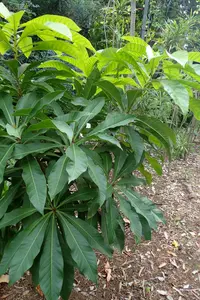
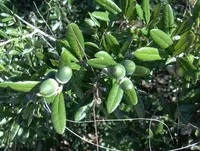
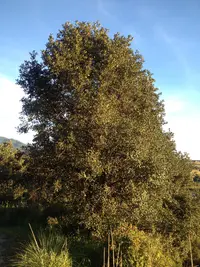
Netleaf oak, Quercus rugosa, is an evergreen oak tree or large shrub known for its thick, leathery leaves with a distinct textured surface and net-like veins. It often develops a dense, rounded crown and can form multi-stemmed thickets in suitable conditions.

This species is native to highland regions of Mexico and parts of Central America, where it grows in montane woodlands and mixed pine-oak forests. It is generally regarded as hardy and adaptable, but slow growth and a strong taproot can make transplanting and establishment more demanding.

It prefers full sun, well-drained soil, and moderate moisture, which are key points when learning how to care for netleaf oak.

Main Plant Requirements

Care Difficulty

Moderate Care

Light Preference

Full Sun

Water Requirements

Low Water

Temperature Preference

Cool Climate

Hardiness Zone

6–9

Soil Texture

Loamy, Rocky, Sandy

Soil pH

Slightly acidic (6.5–7.0), Neutral (7.0)

Soil Drainage

Well-drained

Fertilization

Minimal (feed rarely)

Get Personalized Care Plan

Scan your plant to receive care tips personalized for your specific plant

Available on iOS and Android

How to Care for the netleaf oak

This oak prefers bright outdoor conditions with long sun exposure and some seasonal shade tolerance.

  • Provide 6–8 hours of direct sun daily; morning and midday sun promote dense growth and sturdy branches.
  • Allow light afternoon shade in hot regions to reduce leaf scorch, especially on young netleaf oak trees and freshly transplanted saplings.
  • In winter, full sun is ideal; avoid planting on the north side of buildings or dense trees where constant shade leads to sparse, weak growth.

This species prefers deep, infrequent watering once established, with soil drying slightly between soakings.

  • For in-ground trees, water deeply only when the top 5–8 cm of soil are dry, encouraging roots to grow down rather than stay near the surface.
  • During the first 2–3 growing seasons, increase watering during hot, dry spells, then reduce frequency as Quercus rugosa becomes more drought tolerant.
  • Use well-drained, mineral soils; symptoms of excess water include yellowing leaves and soft new growth, while crisp edges and early leaf drop indicate underwatering.

This oak is a hardy outdoor tree that tolerates a wide temperature range once established.

  • Optimal growth occurs around 60–80°F (16–27°C), with steady spring and early summer warmth supporting new shoots and leaf expansion.
  • Mature trees can usually withstand down to about 10–15°F (-12 to -9°C), but young plants benefit from protection against hard freezes and drying winter winds.
  • Tolerates summer heat up to about 95°F (35°C) if roots are mulched and soil moisture is stable; prolonged higher temperatures with dry soil can stress foliage and slow growth.

This oak species tolerates a wide humidity range and usually does not need special humidity management outdoors.

Quercus rugosa prefers mineral, well-drained soils that still retain some moisture.

  • Use a deep, loamy or sandy loam soil with moderate organic matter to support steady root development.
  • Ensure fast drainage by incorporating coarse sand or fine gravel so water does not pool around the root zone.
  • Aim for slightly acidic to neutral pH, around 6.0–7.0, avoiding very alkaline or saline conditions.
  • Avoid compacted, waterlogged, or extremely shallow soils, which restrict root aeration and increase root rot risk.

This species can be grown in containers for juvenile stages or smaller landscape uses, though long-term growth is better in the ground.

  • Choose a tall, heavy container that resists tipping as the woody top growth becomes denser and more wind-exposed.
  • Select a pot material with moderate moisture retention, such as thick-walled terracotta, to buffer against rapid drying in sun and wind.
  • Provide a broad, stable base or group containers together to prevent shifting or falling during storms as the tree gains height.

This slow-growing oak usually needs minimal feeding once established in the ground.

  • For young or container netleaf oak, apply a balanced slow-release fertilizer (such as 10-10-10) at 1/2 strength at the start of spring.
  • Feed once more in midsummer only if growth is weak or foliage is pale, avoiding high-nitrogen lawn products near the root zone.
  • Use compost or leaf mold as a light surface mulch to improve soil structure rather than relying on frequent synthetic feeding.
  • Stop fertilizing in late summer so new growth hardens before winter dormancy.

Pruning Quercus rugosa focuses on safety, structure, and removal of weak tissue rather than heavy shaping.

  • Schedule main pruning in late winter to very early spring, before bud break, to limit stress and reduce disease risk.
  • Remove dead, diseased, crossing, or inward-growing branches, keeping a single strong leader where possible.
  • Thin congested inner twigs lightly to improve airflow and light penetration without over-opening the canopy.
  • Use clean, sharp bypass pruners or a pruning saw, making small, angled cuts just outside the branch collar.

This oak is usually grown in the ground, so the focus is on timely transplanting from containers or nursery bags.

  • Transplant in late fall or early spring when the tree is dormant and temperatures are mild.
  • Look for circling roots at drainage holes, distorted containers, or stalled growth as signs a young tree must leave its pot.
  • Move up only 1–2 container sizes or into a prepared ground hole 2–3× wider than the root ball, keeping the root flare at soil level.
  • Water deeply before and after transplanting, shade the tree from harsh sun for 1–2 weeks, and maintain evenly moist but not waterlogged soil to reduce root stress.

Propagation of this species is done mainly from seed and is moderately slow and specialized.

  • Collect mature acorns in fall, discarding any that float in water, and store cool and slightly moist until sowing.
  • Sow seeds in late fall for natural outdoor stratification or in late winter after 8–12 weeks of cold, moist stratification in a fridge.
  • Use deep containers with well-drained, slightly acidic mix, placing acorns on their side and covering with 1–2 cm of medium.
  • Keep the substrate just moist at 60–70°F, provide bright light after emergence, and allow seedlings to establish a strong taproot before planting out.

This oak is generally cold hardy in suitable climates and often needs little specialized winter care outdoors.

  • In USDA zones near its hardiness limit, apply a 5–8 cm mulch layer over the root zone, keeping mulch away from the trunk.
  • Avoid late-summer nitrogen feeding so new shoots mature and better tolerate frost.
  • For young container trees, move pots into an unheated garage or sheltered spot where temperatures stay mostly above 20°F.

Care Tips

Deep root training

During the first 3–4 years, water less often but deeply so moisture reaches 30–45 cm down, which encourages a strong taproot and improves long‑term drought tolerance when growing netleaf oak outdoors.

Windward staking strategy

On exposed sites, place 2–3 sturdy stakes on the windward side only and secure the trunk with flexible ties in a loose figure‑8 so the young tree can still sway slightly and build trunk strength.

Mulch ring setup

Maintain a 5–8 cm deep, 60–90 cm wide mulch ring that does not touch the trunk, which helps conserve soil moisture, moderate temperature swings, and reduce competition from turf around the root zone.

Progressive crown lifting

From year 3 onward, remove 1–2 of the lowest branches each dormant season rather than many at once, gradually raising the canopy for clearance while minimizing stress and large pruning wounds.

Acorn and litter management

In small gardens or near hardscapes, rake up excess acorns and heavy leaf litter in fall to limit volunteer seedlings, reduce slip hazards, and help manage pests such as rodents that may be attracted to fallen seed.

Common Pests and Diseases

Oak leaf gall wasps

This pest causes rounded or irregular galls on leaves and sometimes twigs, often without immediately killing the tree. Symptoms include distorted foliage, small bumps, or swellings that may turn brown and dry by late season.

Solution

Prune and destroy heavily infested or deformed twigs during dormancy to reduce the gall-forming population, and avoid leaving pruned material on site. Maintain tree vigor with appropriate watering and mulch so the plant tolerates damage, and use targeted contact insecticides only if a specialist confirms severe, repeated infestations on young or stressed trees.

Oak leaf blister

This disease causes raised, blister-like, pale or yellow-green spots on young leaves that later turn brown and may lead to early leaf drop. Symptoms include scattered thickened patches on the leaf surface, most noticeable in cool, wet spring conditions.

Solution

Rake and destroy fallen leaves to lower the level of fungal spores and avoid overhead irrigation during leaf-out to keep foliage drier. For trees that suffer repeated severe defoliation, consult a local arborist about well-timed preventive fungicide sprays before bud break, combined with good spacing and pruning to improve air movement through the canopy.

Oak powdery mildew

This disease produces a white to gray, powdery coating on the upper surfaces of leaves, especially in shaded, humid sites. Symptoms include reduced vigor, distorted new growth, and premature leaf aging when infections are heavy.

Solution

Thin nearby vegetation and selectively prune the canopy to increase light and airflow, which makes conditions less favorable for the fungus. Remove and discard heavily infected leaves where practical, and in high-value specimens use a labeled fungicide at the first sign of infection, following local extension or arborist guidance for Quercus rugosa care.

Oak scale insects

These insects appear as small, rounded or oval bumps on twigs and branches, sucking sap and sometimes causing twig dieback or sooty mold from honeydew. Symptoms include weakened growth, sparse foliage, and sticky or blackened bark surfaces around infestations.

Solution

Inspect twigs closely and prune out and destroy heavily infested small branches to physically remove many scales. For remaining populations, encourage natural predators, use a stiff brush or cloth to dislodge scales on accessible branches, and consider a properly timed horticultural oil or systemic treatment recommended by a certified arborist when infestations are extensive.

Interesting Facts

Thick, rugose leaves

This species has unusually thick, leathery, strongly wrinkled leaves that reduce water loss and protect tissues from intense high-elevation sunlight in its native Mexican and Central American mountains.

High-elevation specialist

It typically grows in montane oak and pine-oak forests, often between roughly 1,800–3,000 m, where it experiences cool nights, strong radiation, and seasonal drought compared with many lowland oaks.

Hybridization with other oaks

Genetic and field studies show that this species can hybridize with several related Mexican white oaks, which contributes to high oak diversity and complex evolutionary patterns in montane forests.

Botan icon

Did you know?

Netleaf oak often forms part of stable, long-lived cloud forest and pine-oak forest communities, where its dense canopy and persistent leaf litter help create cool, moist microhabitats that support many endemic fungi, epiphytes, and invertebrates.

FAQs about netleaf oak

This species has a slow to moderate growth rate, usually adding 15–30 cm of height per year once established. Growth is quicker in deep, well-drained soils with consistent moisture and slower in exposed, poor sites.

Grow Healthy Plants with Botan Care

Keep your plants happy and healthy with plant identification, disease detection, and easy care guidance.

Botan plant care app — identify plants on mobile

Explore More Plants