soapbark Care (Quillaja saponaria)

Also known as: soapbark tree
soapbark

About soapbark

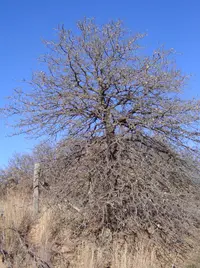
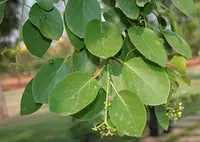
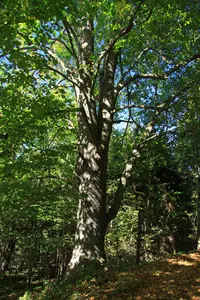
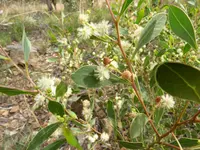
Soapbark, Quillaja saponaria, is an evergreen tree native to central Chile, adapted to dry, sunny hillsides and poor, rocky soils. It forms a rounded crown with small, leathery leaves and rough, gray-brown bark.

The inner bark is rich in saponins, natural foaming compounds historically used as a soap substitute and in various industries. In gardens, it is usually grown as an ornamental or specialty tree in mild, frost-free climates.

Soapbark grows slowly to moderately and handles drought once established but dislikes waterlogged soils. Light, well-drained ground and full sun exposure make it easier to care for soapbark.

Main Plant Requirements

Care Difficulty

Moderate Care

Light Preference

Full Sun

Water Requirements

Low Water

Temperature Preference

Warm Climate

Hardiness Zone

8–10

Soil Texture

Sandy, Loamy, Rocky

Soil pH

Slightly acidic (6.5–7.0), Slightly alkaline (7.0–7.5)

Soil Drainage

Well-drained

Fertilization

Minimal (feed rarely)

Get Personalized Care Plan

Scan your plant to receive care tips personalized for your specific plant

Available on iOS and Android

How to Care for the soapbark

This sun-loving Chilean tree thrives in bright, open sites when established outdoors.

  • Provide 6–8 hours of direct sun daily; in hot inland climates, prioritize morning sun with light afternoon shade.
  • Young soapbark benefits from some filtered light during its first 1–2 summers to reduce leaf scorch and transplant stress.
  • In winter, full sun is ideal; in very hot summers, watch for leaf yellowing or crisp edges as signs of excessive sun exposure or drought stress.

This drought-tolerant tree prefers deep, infrequent watering once established.

  • Water newly planted trees when the top 5–8 cm of soil is dry, aiming for a slow, deep soak that reaches the root zone.
  • For established Quillaja saponaria, allow soil to dry well between waterings; in most dry climates this means every 2–4 weeks in summer, less in cooler seasons.
  • Ensure sharply drained soil; signs of overwatering include yellowing leaves and stem dieback, while dry, curling leaves and sparse new growth suggest underwatering.

This species prefers warm, dry conditions with mild winters.

  • Ideal growing temperatures are 65–85°F (18–29°C), with strongest growth in warm, sunny, low-humidity climates.
  • The tree tolerates brief drops to about 20–25°F (-6 to -4°C) once mature but young plants are more vulnerable to frost damage.
  • In heat above 95°F (35°C), growth may slow; provide mulch to stabilize root temperatures and avoid planting in frost pockets or cold, low-lying sites.

This species tolerates a wide humidity range and rarely needs special humidity management indoors or outdoors.

  • Target 30–50% humidity; typical indoor air is usually sufficient for healthy growth.
  • Dry air is usually tolerated, but very hot, drafty indoor spots can increase leaf edge browning risk on young plants.
  • If foliage shows curling or brown margins, lightly mist nearby air, use a pebble tray, or group plants to raise local humidity slightly.

This tree prefers mineral, well-drained soil that does not stay wet after watering or rain.

  • Use a gritty, sandy-loam mix such as 50% coarse sand or fine gravel, 30% loam, and 20% compost to support Quillaja saponaria root health.
  • Ensure fast drainage; in containers, combine a standard potting mix with 30–40% perlite or pumice to increase pore space and avoid waterlogging.
  • Aim for slightly acidic to neutral pH around 6.0–7.0, avoiding strongly acidic or alkaline substrates that can limit nutrient availability.
  • Avoid heavy clay, peat-heavy mixes, or compacted soils; if existing soil is dense, blend in coarse sand and fine gravel through the top 20–30 cm to improve aeration.

This species can be grown in containers for several years if the pot is chosen to manage its eventual size and weight.

  • Select a wide, heavy pot that resists tipping, since the tree can become top-heavy as the trunk and canopy expand.
  • Choose thick-walled terracotta or similar porous material to reduce excess moisture retention while keeping roots cooler in summer sun.
  • Use a deep container that allows a developing taproot to extend downward without circling tightly, which helps long-term structural stability.

This Chilean tree grows in poor soils but benefits from light feeding in cultivation.

  • Use a balanced slow-release fertilizer or well-rotted compost once each spring as growth begins.
  • Apply at half the label rate to avoid excessive, weak shoot growth in soapbark.
  • In mild climates, a second very light feeding in mid-summer can support steady growth.
  • Do not fertilize in fall or winter, as the tree is semi-dormant and extra nutrients are unused.

Pruning Quillaja saponaria is mainly corrective, aimed at structure and safety rather than constant shaping.

  • Carry out main pruning in late winter to early spring before active growth.
  • Remove dead, diseased, crossing, or storm-damaged branches with clean, sharp bypass pruners or a pruning saw.
  • Thin crowded interior shoots to improve light penetration and air movement through the canopy.
  • Limit heading cuts; maintain a strong central leader and balanced scaffold branches for long-term structure.

This tree is usually grown in the ground, so care focuses on transplanting young specimens correctly.

  • Transplant in late winter to early spring while the tree is dormant and soil is workable.
  • Look for signs such as roots circling the pot, water running off quickly, or stalled growth in containers.
  • Shift young plants to a slightly larger pot or ground site every 1–2 years until well established.
  • Water deeply before and after moving, keep the root ball intact, and shade temporarily to reduce transplant shock.

Quillaja saponaria is typically propagated from seeds, with cuttings attempted less often by home growers.

  • Collect ripe seeds, then sow in late winter to early spring in a free-draining, sandy mix.
  • Provide bright light, even moisture, and mild warmth around 65–75°F to encourage germination.
  • Lightly scarify or soak seeds for several hours to improve water uptake and speed germination.
  • Semi-hardwood cuttings need high humidity, bottom warmth, and rooting hormone, but success rates are variable.

Mature plants show moderate frost tolerance but young trees benefit from some winter protection in colder regions.

  • In USDA zones warmer than 8, established trees usually overwinter without special measures.
  • Apply a 5–8 cm layer of mulch around the root zone, keeping it slightly away from the trunk.
  • Wrap young trunks with breathable burlap in areas with repeated hard freezes.
  • Move container-grown plants into a bright, frost-free spot when temperatures approach 32°F.

Care Tips

Deep root training

In the first 3–4 years, give the tree fewer but very deep irrigations to encourage a strong taproot, which greatly improves drought resilience when growing soapbark in dry climates.

Wind-hardening young trees

Stake only lightly and for a short time, then gradually loosen ties so the trunk flexes in the wind, as this mechanical movement stimulates stronger wood and better anchorage.

Calcium-rich bark support

In neutral to slightly alkaline soils, maintain adequate calcium levels through balanced, soil-tested amendments so developing bark lignifies well and is less prone to cracking.

Low-branch selection

During the first structural pruning, retain a few well-spaced permanent scaffold branches starting 60–100 cm from the ground to reduce future limb breakage and create a stable framework.

Drought stress monitoring

In hot, dry periods, check new growth and leaf margins for early signs of stress and adjust irrigation slightly ahead of visible wilting, since this species often shows damage only after significant water deficit.

Common Pests and Diseases

Scale insects

This pest attaches to stems and leaves and feeds on sap, causing yellowing foliage, weak growth, and sticky honeydew on nearby surfaces.

Solution

Prune out heavily infested twigs, then wipe remaining scales off bark and leaves with a cloth dipped in mild soapy water or 70% isopropyl alcohol; for larger shrubs or trees, apply a horticultural oil spray during the growing season, ensuring thorough coverage of bark and the undersides of leaves.

Leaf spot

This disease causes small brown to dark lesions on leaves that can merge into larger blotches, sometimes leading to premature leaf drop under humid or poorly ventilated conditions.

Solution

Remove and discard affected leaves, improve air circulation around the canopy, avoid overhead watering, and if the problem recurs, use a copper-based fungicide labeled for ornamental trees, applied according to Quillaja saponaria care guidelines and local regulations.

Powdery mildew

This disease appears as a white to gray, powdery coating on young leaves and shoots, which may curl, distort, or show reduced growth.

Solution

Increase light and airflow around the plant, avoid crowding, remove heavily affected shoots, and apply a sulfur or potassium bicarbonate fungicide when new symptoms appear, making sure leaves are evenly coated but not dripping.

Aphids

These insects cluster on soft new growth and the undersides of leaves, sucking sap and causing distorted shoots, sticky honeydew, and sometimes sooty mold growth on the foliage.

Solution

Spray infested shoots with a firm stream of water to dislodge aphids, pinch back heavily infested tips, and if needed apply insecticidal soap or horticultural oil, repeating at 5–7 day intervals until new growth emerges clean.

Interesting Facts

Natural soap compounds

The bark is rich in saponins, plant compounds that foam in water and are used as natural surfactants in products like shampoos, fire-fighting foams, and some vaccines.

Chilean dryland specialist

This tree is native to central Chile and is adapted to dry Mediterranean-type climates with hot summers and mild, wet winters, showing good drought tolerance once established.

Non-wood forest product

The species is commercially harvested mainly for its bark and wood byproducts rather than for timber, and sustainable management focuses on limiting bark removal to keep trees alive and maintain wild populations.

Botan icon

Did you know?

Highly purified saponins extracted from this species are approved as modern vaccine adjuvants, helping enhance the immune response in several licensed human and veterinary vaccines.

FAQs about soapbark

Growth is moderate. Young trees typically add 20–40 cm per year under good conditions, slowing as they age. Seedlings and saplings spend several years establishing roots before noticeable height gains, especially in drier or nutrient-poor sites.

Grow Healthy Plants with Botan Care

Keep your plants happy and healthy with plant identification, disease detection, and easy care guidance.


Botan plant care app — identify plants on mobile

Explore More Plants