Goat's Beard Care (Ramaria flava)

Goat's Beard

About Goat's Beard

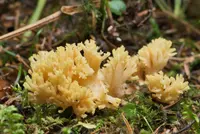
Goat's beard, often referring to Ramaria flava, is a coral-like fungus rather than a leafy garden plant. It forms dense, branching clusters that resemble underwater coral, usually in yellow to pale orange shades.

This species typically appears on the forest floor in mixed or conifer woodlands across parts of Europe, North America, and Asia. It grows from soil rich in decaying organic matter and is strongly linked to natural woodland ecosystems.

Ramaria flava can be challenging for beginners because it relies on complex relationships with trees and specific soil conditions. Garden cultivation is uncommon, so most people encounter and care for Goat's Beard by observing it in its natural habitat.

Main Plant Requirements

Care Difficulty

Hard Care

Light Preference

Partial Shade

Water Requirements

Keep Soil Moist

Temperature Preference

Cool Climate

Hardiness Zone

Unknown

Soil Texture

Loamy, Silty, Organic-rich

Soil pH

Strongly acidic (4.5–5.5), Acidic (5.5–6.5)

Soil Drainage

Moist but well-drained

Fertilization

Minimal (feed rarely)

Get Personalized Care Plan

Scan your plant to receive care tips personalized for your specific plant

Available on iOS and Android

How to Care for the Goat's Beard

Ramaria flava prefers dappled woodland-style light rather than direct, open sun.

  • Provide bright shade or filtered light under trees, allowing brief morning sun (2–3 hours) but avoiding harsh midday and afternoon exposure.
  • Aim for 3–5 hours of indirect or speckled light; dense shade can reduce fruiting and cause sparse, pale clusters.
  • In hot summers, increase shade to prevent drying and scorching, while in cooler seasons slightly more open, filtered light can support growing Goat's Beard.

Moist, well-drained soil is essential for healthy Ramaria flava fruiting bodies.

  • Maintain evenly moist soil, allowing only the top 2–3 cm to start drying before the next thorough soak, especially during active growth.
  • Use loose, humus-rich soil that drains freely; standing water, sour odor, or soft, collapsing tissue indicates overwatering and potential rot.
  • In cooler or rainy seasons, reduce added water, but in hot, dry periods watch for shrinking, brittle tips as a sign the substrate is drying too much.

This woodland fungus thrives in cool to mild conditions and declines in temperature extremes.

  • Best development occurs around 55–70°F (13–21°C), typical of shaded forest floors in spring and fall.
  • Growth slows markedly above 77°F (25°C); prolonged heat with dry air can cause rapid drying and poor formation.
  • Short dips to about 32°F (0°C) may be tolerated in dormant periods, but repeated hard frosts or freezes below 28°F (-2°C) can damage fruiting bodies.

Ramaria flava fruiting bodies form best in consistently moist, humid conditions rather than dry air.

  • Aim for 70–90% humidity around developing clusters, especially during the fruiting period.
  • Dry air leads to shriveling, brittle branches, and cracked tips on Goat's Beard.
  • Increase humidity by misting the surrounding substrate, placing trays of water nearby, or using a humidifier in enclosed growing areas.

Ramaria flava prefers a moist, loose, organic-rich substrate that mimics decomposing forest litter.

  • Use a mix of well-rotted hardwood sawdust, leaf mold, and composted wood chips to provide structure and nutrients.
  • Ensure the substrate drains freely yet retains moisture; it should feel springy and never waterlogged or compacted.
  • Maintain slightly acidic to neutral conditions, around pH 5.5–7.0, to support healthy mycelium growth.
  • Improve aeration by incorporating coarse particles such as chipped bark so fine materials do not pack tightly.

This species is not well suited to typical ornamental container growing and is usually cultivated in bags, trays, or beds that hold a deep, uniform substrate profile.

This wild ectomycorrhizal fungus does not benefit from direct fertilization and is usually left unfed in naturalistic plantings.

Ramaria flava requires no true pruning, but light cleanup supports hygiene and easier identification in the patch.

  • Use clean scissors or a sharp knife to remove decayed or insect-damaged fruiting bodies at the base.
  • Cut away heavily muddied or trampled clusters to reduce rot spreading through the substrate.
  • Avoid shaping cuts; the fungus structure is determined by its underground mycelium, not by trimming.
  • Disinfect tools before and after work to limit transfer of fungal pathogens between sites.

This fungus is rarely grown in containers, so focus on careful site establishment rather than routine repotting.

  • Transplant only when moving colonized soil or host tree seedlings, since disturbing mycelium can slow growth.
  • Time moves for cool, moist periods in spring or fall to reduce desiccation stress on the fungal network.
  • Shift soil blocks with minimal breakup, keeping roots and attached mycelium as intact as possible.
  • Water gently after transplanting, then maintain even moisture without waterlogging to support re-establishment.

Propagation of Ramaria flava in gardens is challenging and not commonly practiced by home growers.

In most temperate regions this species needs no special winter care, as the mycelium overwinters in soil.

Care Tips

Site rotation

Rotate collection sites for foraging or cultivation beds every 2–3 years so the mycelium is not repeatedly disturbed in the same area, which helps maintain long-term productivity when growing Goat's Beard.

Minimal disturbance

Mark known fruiting spots and avoid raking, tilling, or compacting the soil in a 1–2 m radius so the underground mycelium network remains intact and better able to fruit each season.

Targeted mulching

Apply a loose, thin mulch layer of hardwood leaf litter or fine wood chips over the inoculated area, keeping it airy, to help maintain moisture and mimic the natural forest floor without smothering emerging fruit bodies.

Hygienic harvesting

Cut clusters cleanly at the base with a disinfected knife and avoid pulling them out, which reduces damage to the mycelium and lowers the risk of introducing pathogens into the substrate.

Seasonal mapping

Keep simple notes or a map of where and when clusters appear each year so you can better time visits, irrigation, or shading adjustments to match the species’ usual fruiting window on your site.

Common Pests and Diseases

Mycophagous springtails

These insects feed on fungal tissue and can tunnel through young coral branches, causing browning and collapse of delicate tips.

Solution

Remove heavily damaged clusters, keep fruiting bodies on well-drained, loose substrate, and reduce excess surface moisture while maintaining overall humidity. If populations are heavy, briefly expose the area to moving air and spot-apply a targeted insecticidal soap to surrounding debris rather than directly on the fungus.

Fungus gnat larvae

This pest develops in very damp substrates and the larvae can graze on the base of the fruiting body, leading to softening and rapid decay.

Solution

Improve drainage and reduce standing moisture in the growing medium, allowing the surface to dry slightly between waterings. Use yellow sticky traps for adult gnats and, if needed, apply a biological control such as Bacillus thuringiensis israelensis to the substrate around, not on, the visible fungal tissue.

Mite colonization

These insects (microscopic mites) may congregate in protected folds of the coral structure, leaving fine speckling, pitted tissue, and accelerated drying of branches.

Solution

Gently rinse the fruiting body with clean, cool water to dislodge mites and improve local air movement to make the surface less favorable for them. In cultivation setups, remove nearby decaying organic matter that harbors mites and use fine mesh or screens to reduce re‑infestation while maintaining humidity suitable for growing Goat's Beard.

Bacterial soft rot

This disease causes sections of the coral to become water-soaked, slimy, and foul-smelling, often starting at contact points with saturated soil or debris.

Solution

Promptly trim away and discard affected portions, avoiding contact between the decaying tissue and healthy parts. Reduce substrate saturation, increase air circulation close to the base, and avoid overhead wetting of the fruiting body to limit further bacterial spread.

Secondary mold overgrowth

This disease appears as gray, white, or green fuzzy growth covering parts of the fungus, leading to surface discoloration and gradual collapse of branches.

Solution

Carefully remove and discard mold-covered tissue, then reduce ambient moisture peaks by improving air exchange while keeping the substrate only evenly moist. Clean nearby organic litter and surfaces to lower spore loads and, in controlled cultivation, consider using a HEPA-filtered airflow or adjusting humidity cycles to discourage persistent mold growth.

Interesting Facts

Bright yellow coral

The fruiting bodies of this species form dense, coral-like clusters in vivid yellow to yellow-orange tones, which often fade to paler shades as they age or dry.

Mycorrhizal forest partner

This fungus forms mycorrhizal associations, a type of nutrient-exchange partnership, with trees in mixed and coniferous forests, helping them access soil nutrients while receiving sugars from the host.

Edibility and confusion risk

In some regions it is considered edible when properly identified, but it closely resembles other Ramaria species that can cause gastrointestinal upset, so expert identification is strongly recommended before consumption.

Botan icon

Did you know?

In suitable years, this species can appear in large troops on the forest floor, with many clustered fruiting bodies creating a striking yellow coral-like carpet among leaf litter and moss.

FAQs about Goat's Beard

This coral fungus is considered edible when young and correctly identified, but it has poisonous look-alikes. Only experienced foragers should collect it. Always cook thoroughly and avoid specimens that are old, bitter, or discolored.

Grow Healthy Plants with Botan Care

Keep your plants happy and healthy with plant identification, disease detection, and easy care guidance.

Botan plant care app — identify plants on mobile

Explore More Plants