Track growth window
Sow in small, staggered batches every 2–3 weeks during the cool season to keep plants in their prime growth stage and avoid a flush of tough, overmature roots and foliage at the same time.

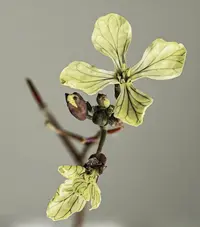
Wild radish, Raphanus raphanistrum, is an annual flowering plant in the mustard family, often found as a weed in fields, roadsides, and disturbed soils. It grows quickly, forming upright, branching stems with rough, bristly foliage and pale yellow to white or pinkish flowers with distinct veins.
The plant thrives in full sun and well-drained, poor to moderately fertile soils, which makes it very adaptable and easy to establish. Once germinated, it competes strongly with nearby plants, so understanding how to care for wild radish is important if it is grown intentionally or managed in mixed plantings.

Care Difficulty
Easy Care

Light Preference
Full Sun

Water Requirements
Moderate Water

Temperature Preference
Cool Climate

Hardiness Zone
4–9

Soil Texture
Sandy, Loamy, Silty

Soil pH
Slightly acidic (6.5–7.0), Slightly alkaline (7.0–7.5)

Soil Drainage
Well-drained

Fertilization
Minimal (feed rarely)
Scan your plant to receive care tips personalized for your specific plant
Available on iOS and Android
This annual prefers full sun but tolerates some light shade, especially in hot regions.
This plant prefers steady, moderate moisture rather than extremes of drought or saturation.
This cool-season annual grows best in mild conditions and declines in sustained heat or hard frost.
Humidity is not a significant factor for Raphanus raphanistrum in typical outdoor conditions.
This species prefers light, well-aerated mineral soils that do not stay wet.
This species can be grown in containers, but the setup must allow for a straight, unobstructed taproot.
This wild radish species generally grows well in average soil and needs only light fertilization in managed plantings.
Pruning Raphanus raphanistrum is minimal and mainly used to manage spread and appearance in managed areas.
This species is usually grown in open ground, so focus on careful transplanting of seedlings rather than true repotting.
Raphanus raphanistrum is most often propagated by seed, which germinates reliably under suitable field or garden conditions.
This species is generally cold hardy and often survives typical winters without special protection in temperate climates.

Plant Health Check
Not sure what's wrong with your plant? Check your plant's health inside the app.
Wild radish shows striking flower color variation, typically white, yellow, pink, or pale purple, all within the same population, which makes it a classic model species for studying the genetics and evolution of floral traits.
This species is a major agricultural weed in many temperate regions, especially in cereal and oilseed crops, where it competes strongly for light and nutrients and can significantly reduce yields if not managed.
The seeds and slender pods contain substantial oil reserves, and plant scientists have investigated this species and its relatives as potential genetic resources for improving oil content in cultivated radish and related crops.

Wild radish has evolved strong resistance to several herbicides, including acetolactate synthase (ALS) inhibitors in parts of Australia, making it one of the key global case studies in the evolution of herbicide-resistant weed populations.
This species germinates quickly and often reaches flowering within a few weeks in suitable conditions. Growth is fastest in cool, moist weather with full light and fertile soil, and slows in heat, drought, or compacted ground.
Keep your plants happy and healthy with plant identification, disease detection, and easy care guidance.