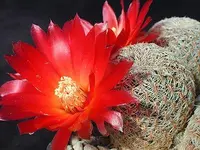
False Gentian Care (Raphionacme hirsuta)

False Gentian

About False Gentian

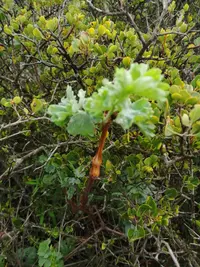
False gentian, Raphionacme hirsuta, is a small, tuberous perennial from dry regions of southern Africa. It belongs to the Apocynaceae family, which includes many succulent and steppe plants.

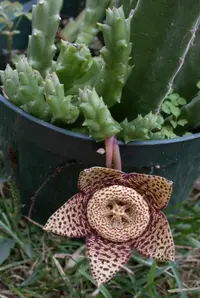
The plant typically forms a swollen underground tuber with low, hairy stems and narrow leaves, sometimes producing modest star-shaped flowers near the soil surface. Its growth is often slow and compact.

This species is adapted to bright light, high temperatures, and well-drained, mineral soils, which makes overwatering the main risk in cultivation. Once its seasonal rhythm and watering limits are understood, it can be relatively straightforward to care for False Gentian.

Main Plant Requirements

Care Difficulty

Moderate Care

Light Preference

Full Sun

Water Requirements

Low Water

Temperature Preference

Warm Climate

Hardiness Zone

10–12

Soil Texture

Sandy, Loamy, Rocky

Soil pH

Slightly acidic (6.5–7.0), Neutral (7.0)

Soil Drainage

Well-drained

Fertilization

Minimal (feed rarely)

Get Personalized Care Plan

Scan your plant to receive care tips personalized for your specific plant

Available on iOS and Android

How to Care for the False Gentian

This tuberous species prefers bright, open conditions but needs some protection from intense midday sun.

  • Provide 4–6 hours of direct morning sun with light afternoon shade, or bright filtered sun all day in hotter regions.
  • In climates with mild summers, it tolerates full sun if soil does not dry to a hard crust; add coarse mulch to reduce surface scorch.
  • If stems stretch, lean, or leaves pale, light is too low; if leaf tips crisp or yellow on the south side, reduce exposure for this False Gentian.

Watering should respect its caudex storage and strong drought tolerance.

  • Allow the top 3–5 cm of soil to dry completely before watering, then soak thoroughly so water drains fast through the profile.
  • Use very free-draining, gritty soil to prevent standing water around the tuber; a raised bed or slope helps shed excess moisture outdoors.
  • During active growth, water when leaves lose slight turgor; in cool dormancy, water sparingly, stopping if the caudex softens, leaves yellow quickly, or soil stays wet.

This species favors warm, dry conditions with distinct warm and cool seasons.

  • Aim for 70–85°F (21–29°C) during active growth, as warmer days and cooler nights promote strong caudex and shoot development.
  • Protect from frost; growth slows below 55°F (13°C) and tissue damage is likely near 32°F (0°C), so provide cover or lift if severe cold is expected.
  • In heat above 95°F (35°C), offer light shade and airflow; reduce watering frequency but avoid complete desiccation of the root zone during heatwaves.

This species handles dry indoor air well, so humidity is rarely a concern.

  • Target 30–50% humidity; values above 60% combined with poor air movement increase rot risk around the caudex.
  • Leaves or stems that stay soft, pale, or develop blackened bases often indicate excess humidity and stagnant air, not dryness.
  • Provide gentle air circulation with a fan rather than humidifiers or pebble trays, which are unnecessary and may promote fungal issues for False Gentian.

This caudiciform species needs a very fast-draining, mineral-rich mix that dries quickly after watering.

  • Use a gritty mix such as 40% cactus potting mix, 40% coarse sand or fine gravel, and 20% pumice or perlite to support the swollen caudex.
  • Aim for a slightly acidic to neutral pH around 6.0–7.0, which suits typical cactus or succulent substrates used for Raphionacme hirsuta.
  • Ensure the mix feels loose and crumbly; large mineral particles maintain air pockets around roots and reduce the risk of anaerobic (oxygen-poor) conditions.
  • Avoid dense peat-heavy blends, water-retentive clay, or unamended garden soil, which hold moisture around the roots and encourage rot.

This species is well suited to container growing due to its compact, caudiciform growth.

  • Choose a wide, shallow pot so the caudex has lateral space while the limited depth prevents prolonged moisture retention in the lower mix.
  • Select unglazed terracotta if extra evaporation is needed in cool or humid climates, or heavier ceramic in windy outdoor spots for added stability.
  • Leave the upper portion of the caudex slightly exposed above the soil line to reduce moisture accumulation directly against the swollen stem base.

Raphionacme hirsuta is adapted to lean, sandy soils and needs only light feeding in cultivation.

  • Use a balanced liquid fertilizer (for example 10-10-10) at 1/4 strength during active growth in spring–summer.
  • Apply every 4–6 weeks only if growth appears weak or leaves pale, avoiding the dormant period.
  • Alternatively, mix a small amount of slow-release fertilizer into the topsoil at the start of the growing season.
  • Do not fertilize in winter dormancy; excess nutrients can rot the tuber of this False Gentian.

Raphionacme hirsuta needs minimal pruning, mainly to keep the vining stems tidy and healthy.

  • Best time is late winter or early spring, just before new growth starts.
  • Use clean, sharp scissors or snips to remove dead, damaged, or diseased stems back to healthy tissue.
  • Thin out very crowded or tangled shoots to improve air flow and maintain a manageable shape.
  • Light tip-trimming of long vines can encourage branching without stressing the plant.

This species forms a tuberous caudex and prefers stable conditions, so repotting Raphionacme hirsuta is infrequent.

  • Check for roots circling the pot base, compacted mix, or slowed growth as signals it may need a larger container.
  • Plan repotting for late winter to early spring, before strong new growth begins.
  • Repot only every 3–4 years, choosing a slightly wider pot and very free-draining, gritty mix.
  • Handle the tuber gently, disturb roots as little as possible, and water lightly after repotting to limit stress and rot risk.

Propagation of Raphionacme hirsuta is usually done from seed and requires warm, well-controlled conditions.

  • Sow fresh seeds in late spring in a shallow tray with sterile, gritty, well-drained mix.
  • Maintain 70–80°F, bright indirect light, and even, light moisture until germination.
  • Cover seeds lightly and provide good air circulation to reduce damping-off, a fungal seedling disease.
  • Once seedlings develop several true leaves, pot them individually, keeping the small tubers undisturbed.

This caudiciform species is not frost hardy and needs careful winter management, especially in cooler climates.

  • Move container plants indoors before temperatures drop near 40°F, providing bright, cool, dry conditions.
  • Keep the soil almost dry in winter dormancy, watering only enough to prevent complete shriveling of the tuber.
  • In mild zones, use a very well-drained site and a coarse mulch that does not hold moisture around the crown.

Care Tips

Control tuber depth

Plant or repot the caudex so that roughly the top third sits above the soil line, which reduces rot risk and lets you easily monitor for soft spots or damage.

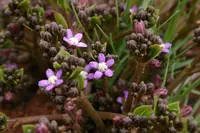
Seasonal growth check

At the start and end of the growing season, gently lift the vine and inspect the caudex and stems for cracks, soft tissue, or discoloration so any rot or mechanical damage is addressed before it spreads.

Vine training support

Provide a small, removable trellis or wire hoop and loosely tie the twining stems with soft ties, which keeps the growth compact and prevents the fragile vines from kinking or snapping at the caudex junction.

Dormancy protection

Once the vines yellow and dry, trim them cleanly and move the pot to a very dry, slightly cooler but frost-free spot so the resting caudex does not sit in cold, moist substrate.

Targeted pest scouting

During active growth, check leaf undersides and stem nodes every 1–2 weeks for spider mites and mealybugs, and if found, isolate the plant and treat promptly with a light application of horticultural soap or oil labeled safe for succulents when caring for False Gentian.

Common Pests and Diseases

Mealybugs

This pest feeds on the caudex and young shoots, often hiding in crevices and around the base of stems. Symptoms include white cottony clusters, sticky honeydew, and slow, weakened growth.

Solution

Isolate the plant, then dab visible insects with cotton swabs dipped in 70% isopropyl alcohol and gently wipe along the caudex and stems. For persistent infestations, use a neem oil or insecticidal soap spray directed into crevices every 7–10 days, and reduce excess nitrogen fertilization that encourages soft, mealybug-susceptible growth.

Root scale

These insects attach to the thick underground parts and fine roots of the caudiciform tuber, sucking sap and causing gradual decline, yellowing, and poor new growth. Symptoms include stunted plants and small, hard, brown or off-white bumps on roots and tuber surfaces when unpotted.

Solution

Unpot the plant, wash roots gently to remove soil, and manually scrape or brush off visible scale, then dip roots in a labeled systemic insecticide solution suitable for container succulents. Repot into fresh, sterile, very well-drained medium and avoid overwatering so the plant can rebuild healthy roots.

Spider mites

These insects thrive in hot, dry indoor or greenhouse conditions where the plant is often kept, especially on the underside of leaves and new shoots. Symptoms include fine webbing, tiny speckling on foliage, and dull, stressed leaves that may drop early.

Solution

Increase humidity slightly around the foliage without keeping the caudex or soil wet, then rinse leaves and stems under a gentle stream of water to remove mites and webs. Follow with repeated applications of insecticidal soap or neem oil every 5–7 days, ensuring full coverage of leaf undersides and tight nodes, and avoid strong overhead heat that dries the plant excessively.

Fusarium wilt

This disease affects the vascular tissue of the thickened roots and tuber, leading to uneven wilting, yellowing, and collapse despite apparently adequate watering. Symptoms include brown streaking inside roots or the caudex when cut and sometimes a slight pink or white fungal growth on damaged areas.

Solution

Remove and discard severely affected plants or cut away all discolored tissue from mildly affected caudex sections with sterile tools, then allow cuts to dry and callus completely. Repot into a fresh, free-draining, mostly mineral mix, water sparingly, and in collections with repeated problems consider rotating a suitable fungicidal drench and avoiding reuse of old pots or soil.

Soft bacterial rot

This disease typically starts at wounded or overwatered areas of the caudex or thick roots, causing rapid softening, foul odor, and water-soaked, mushy tissue. Symptoms include collapsing sections of the tuber and discolored, slimy patches that spread quickly in warm, wet conditions.

Solution

Immediately remove the plant from its pot, cut out all soft or discolored tissue with sterile tools, and dust healthy cut surfaces with sulfur powder or a copper-based treatment. Allow the caudex to dry and harden in a warm, airy place for several days before replanting in a very well-drained mix, then resume watering cautiously, keeping the tuber surface dry and avoiding injuries to the skin of the caudex.

Interesting Facts

Geophytic caudex storage

This species forms an underground or partly exposed caudex, a swollen stem base that stores water and nutrients to survive long dry periods in its native southern African habitats.

Hairy climbing shoots

Above ground, it produces long, twining stems with distinctly hairy leaves and shoots, an adaptation that may reduce water loss and offer some protection from herbivores.

Specialized pollination strategy

The star-shaped flowers are structured like other Apocynaceae relatives, using a central corona and tight floral tube that guide small insect visitors in a controlled way to transfer pollen efficiently.

FAQs about False Gentian

This species can be grown indoors if it receives bright light, a gritty, fast-draining mix, and careful watering. False Gentian indoor care is easier in a sunny, low-humidity room where temperatures stay relatively stable year-round.

Grow Healthy Plants with Botan Care

Keep your plants happy and healthy with plant identification, disease detection, and easy care guidance.

Botan plant care app — identify plants on mobile

Explore More Plants