Reseda stenostachya Care

About Reseda stenostachya

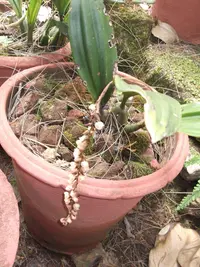
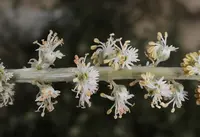
Reseda stenostachya is a herbaceous flowering plant in the mignonette family, usually grown as a small, upright annual or short-lived perennial. It forms slender stems with narrow leaves and loose, elongated flower spikes.

This species is native to parts of the Mediterranean and nearby regions, where it thrives in dry, open habitats and light, well-drained soils. The plant is valued mainly for its subtle, often fragrant flowers rather than showy foliage.

In cultivation, it prefers full sun, moderate moisture, and soil that does not stay wet. These traits generally make it a modestly easy plant for gardeners who want to learn how to care for Reseda stenostachya.

Main Plant Requirements

Care Difficulty

Moderate Care

Light Preference

Full Sun

Water Requirements

Moderate Water

Temperature Preference

Warm Climate

Hardiness Zone

8–11

Soil Texture

Sandy, Loamy, Rocky

Soil pH

Slightly acidic (6.5–7.0), Neutral (7.0)

Soil Drainage

Well-drained

Fertilization

Minimal (feed rarely)

Get Personalized Care Plan

Scan your plant to receive care tips personalized for your specific plant

Available on iOS and Android

How to Care for the Reseda stenostachya

This sun-loving Mediterranean annual thrives in open, bright conditions for strong flowering.

  • Provide 6–8 hours of direct sun daily, with morning and early afternoon sun ideal; in very hot inland summers, give light afternoon shade to prevent leaf scorch.
  • Plant in an open site, not shaded by shrubs or buildings; in partial shade (3–4 hours sun), expect fewer, looser flower spikes and weaker fragrance.
  • In late spring and early summer, orient beds for maximum sun; if taller plants cast shade, reposition or thin them so Reseda stenostachya stays in front of denser growth.

This plant prefers steady, moderate moisture in a freely draining soil profile.

  • Allow the top 3–5 cm of soil to dry before watering; use a finger test at root depth, watering slowly so moisture reaches 10–15 cm deep without pooling.
  • During hot, dry weather, deep water once soil is dry at depth; in cooler or rainy periods, reduce frequency and skip irrigation after significant rainfall to avoid saturation.
  • Watch for yellowing, soft stems and a sour smell as signs of overwatering; crisp leaves and drooping stems that perk up after soaking indicate underwatering in Reseda stenostachya beds.

This species favors mild, temperate conditions and reacts poorly to hard frost or extreme heat.

  • Aim for active growth in 60–75°F (16–24°C); flowering and scent are strongest in this range with stable day–night variation.
  • Protect from frost; plants are usually damaged below 28°F (−2°C) and can be killed by prolonged periods under 25°F (−4°C), so sow or plant out after the last expected frost date.
  • In hot regions, growth stalls above 90°F (32°C); use afternoon shade and mulch to moderate soil temperatures and reduce heat stress through mid to late summer.

This species tolerates a wide humidity range and usually does not need special humidity management in typical home or outdoor conditions.

Reseda stenostachya prefers light, well-drained mineral soils that do not stay wet after rain or watering.

  • Use a sandy or sandy-loam mix with modest organic matter, such as 60–70% sand plus 30–40% compost or garden loam.
  • Ensure rapid drainage; in pots, add 20–30% perlite or fine grit to prevent waterlogging around the roots.
  • Aim for slightly alkaline to neutral pH around 7.0–8.0 and avoid strongly acidic mixes rich in peat alone.
  • Do not plant in heavy clay or compacted ground; loosen soil 15–20 cm deep to improve aeration and root penetration.

This species can be grown successfully in containers if the potting setup prevents water retention around the roots.

  • Choose a pot deeper than it is wide to accommodate the taproot and reduce tipping in windy, exposed positions.
  • Select unglazed terracotta if extra evaporation is needed, or plastic if the site is very hot and dry to slow moisture loss.
  • Raise the container slightly on feet or bricks so drainage holes remain clear and excess water exits quickly after irrigation.

This species grows in low-nutrient soils and usually needs only light feeding in cultivation.

  • Use a balanced, diluted liquid fertilizer (for example 10-10-10 at 1/4–1/2 strength) only if growth appears weak.
  • Apply during the warm growing season every 4–6 weeks, after watering, to reduce root burn risk.
  • Avoid feeding in late fall and winter, when growth slows or stops.
  • For Reseda stenostachya in the ground, a thin layer of compost in spring is usually sufficient.

Pruning Reseda stenostachya is simple and mainly aimed at keeping plants tidy and flowering well.

  • Carry out light pruning in late winter or very early spring, before strong new growth starts.
  • Remove dead, diseased, or frost-damaged stems with clean, sharp hand pruners.
  • Thin crowded or crossing stems to improve air flow and maintain a compact, balanced shape.
  • Deadhead spent flower spikes to encourage a longer blooming period and reduce unwanted self-seeding.

This species is most often grown in the ground, so focus on gentle transplanting rather than frequent repotting.

  • Transplant in early spring or early fall, when temperatures are mild and soil is workable.
  • Look for signs such as roots circling a container or noticeably slowed growth before moving a plant.
  • Lift with as much root ball as possible, keep roots shaded and moist, and replant quickly into well-drained soil.
  • Water thoroughly after transplanting, then keep soil lightly moist for 1–2 weeks to limit transplant shock.

Reseda stenostachya is usually propagated from seed, which allows maintenance of wild-type characteristics.

  • Sow fresh seeds in late winter or early spring in trays of free-draining, sandy mix.
  • Maintain 60–70°F, bright light, and consistent but not waterlogged moisture for even germination.
  • Cover seeds very lightly or press into the surface, as fine seeds need light and air contact.
  • Harden off seedlings gradually, then plant out once frost risk has passed and roots are well developed.

This plant is generally hardy in mild to moderate climates and often needs only minimal winter attention.

  • In colder areas, apply a 3–5 cm mulch around the root zone in late fall, keeping it off the stems.
  • Avoid waterlogged soil in winter, as wet, cold roots increase rot risk.
  • For container plants, move pots to a sheltered, unheated but frost-free spot during severe cold.

Care Tips

Pinch For Bushiness

Pinch out the soft shoot tips once plants reach 10–15 cm tall to encourage side branching and a denser flowering habit rather than a few tall, floppy stems.

Succession Sowing

Stagger sowing every 2–3 weeks in spring and early summer so flowering is spread over a longer season, rather than having all plants peak and decline at the same time.

Targeted Deadheading

Remove spent flower spikes promptly by cutting just above a healthy leaf node to extend bloom time while leaving a few late-season spikes to set seed if you want to save locally adapted seed.

Wind-Smart Positioning

Site plants where they receive some shelter from strong, drying winds or use low mesh or stakes along the row, since tall, narrow inflorescences can bend or snap in exposed spots.

Gentle Harvest Handling

When cutting stems for fragrance use, place them immediately into clean, cool water in the shade, since the small, delicate flowers wilt quickly if left in the sun, which is an important detail when caring for Reseda stenostachya in warm climates.

Common Pests and Diseases

Aphids

This pest feeds on young stems and flower spikes, sucking sap and causing curling, distortion, and sticky honeydew on foliage and buds.

Solution

Spray plants with a strong stream of water to dislodge colonies, then use insecticidal soap or a neem oil spray, ensuring thorough coverage of stems and flower spikes. Encourage natural predators such as lady beetles by avoiding broad-spectrum insecticides that harm beneficial insects, which supports more stable Reseda stenostachya care over time.

Leaf spot

This disease causes small, water-soaked lesions that expand into brown or tan spots on leaves, sometimes with yellow halos and premature leaf drop.

Solution

Remove and dispose of affected leaves, avoid overhead watering, and water early in the day so foliage dries quickly. Improve spacing and airflow around plants, and if the problem recurs, apply a copper- or chlorothalonil-based fungicide according to label directions during warm, humid periods.

Powdery mildew

This disease appears as a white, powdery film on leaves and stems, leading to dull foliage, reduced vigor, and distorted new growth in dense plantings.

Solution

Increase sunlight and airflow by thinning crowded plants and avoiding excess nitrogen fertilization that promotes soft, mildew-prone growth. At first signs, remove heavily infected leaves and apply a sulfur or potassium bicarbonate fungicide, coating all leaf surfaces and repeating as the label recommends.

Spider mites

These insects are tiny sap-feeding arachnids that cause fine speckling, bronzing, and eventual drying of leaves, often accompanied by delicate webbing on stems and undersides of foliage.

Solution

Rinse plants thoroughly with water, focusing on leaf undersides, and repeat several times over 7–10 days to break the life cycle. In hot, dry conditions use insecticidal soap or horticultural oil, applying in the early morning or evening to avoid leaf burn and ensuring full coverage.

Downy mildew

This disease leads to yellow or pale patches on upper leaf surfaces and a grayish, downy growth underneath, often followed by leaf curling and drop in cool, moist weather.

Solution

Avoid overhead watering, irrigate at soil level, and improve drainage and spacing to keep foliage dry. Remove and destroy infected plant material and, in areas with recurring issues, use a phosphonate or copper-based fungicide preventively when cool, humid conditions are forecast.

Interesting Facts

Eastern Mediterranean native

This species is naturally distributed in the eastern Mediterranean region, including parts of the Levant, where it grows in dry, open habitats such as rocky slopes and disturbed ground.

Dry-site specialist

The plant is adapted to relatively poor, well-drained soils and semi-arid conditions, often appearing in habitats where many less drought-tolerant herbs cannot persist.

Member of mignonette family

It belongs to the family Resedaceae, a small plant family characterized by often fragrant, intricately structured flowers that differ from the more familiar showy petals of many garden ornamentals, which is relevant for understanding Reseda stenostachya care instructions in horticultural settings.

FAQs about Reseda stenostachya

This species is valued for its fragrant, nectar-rich flowers that draw many wild bees, hoverflies, and some butterflies. Planting it in sunny borders or wildflower-style beds can significantly support local pollinator activity in gardens.

Grow Healthy Plants with Botan Care

Keep your plants happy and healthy with plant identification, disease detection, and easy care guidance.

Botan plant care app — identify plants on mobile

Explore More Plants