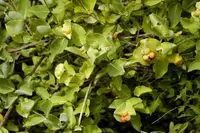
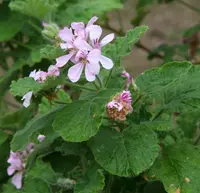
pink azalea Care (Rhododendron periclymenoides)

Also known as: Pinxter Flower, pinkster flower
pink azalea

About pink azalea

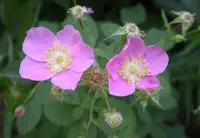
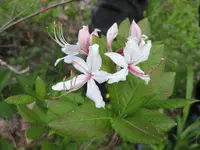
Pink azalea, Rhododendron periclymenoides, is a deciduous flowering shrub native to eastern North America, often found in woodland edges and moist, open slopes. It typically forms a loose, upright clump with many stems and showy clusters of soft pink, funnel-shaped blooms in spring.

The flowers often appear before or with the new leaves, creating a light, airy display that attracts pollinators. Foliage turns soft yellow to bronze in fall, adding seasonal interest.

This species prefers acidic, well-drained but evenly moist soil and benefits from partial shade, especially in hotter regions. Understanding these natural preferences makes it easier to care for pink azalea in home gardens or naturalized plantings.

Main Plant Requirements

Care Difficulty

Moderate Care

Light Preference

Partial Shade

Water Requirements

Regular Water

Temperature Preference

Cold Hardy

Hardiness Zone

4–8

Soil Texture

Loamy, Sandy, Organic-rich

Soil pH

Strongly acidic (4.5–5.5), Acidic (5.5–6.5)

Soil Drainage

Moist but well-drained

Fertilization

Minimal (feed rarely)

Get Personalized Care Plan

Scan your plant to receive care tips personalized for your specific plant

Available on iOS and Android

How to Care for the pink azalea

This deciduous azalea prefers bright, gentle light that avoids harsh midday sun.

  • Provide 3–5 hours of morning sun with afternoon shade, or dappled light under taller trees for stable growth.
  • Tolerates partial shade, but flowering of pink azalea declines in dense shade; move to a slightly brighter spot if blooms decrease.
  • Protect from intense afternoon sun in summer, which can scorch leaves and fade flowers; use shrubs, fences, or shade cloth to filter light.

This shrub needs consistently moist but not saturated soil, especially during active growth and flowering.

  • Water when the top 3–5 cm of soil feels slightly dry, soaking the root zone deeply, then allow excess to drain away.
  • Use acidic, well-drained, organic-rich soil; pooling water or a sour smell in the root area indicates poor drainage and overwatering risk.
  • In hot, dry periods, monitor foliage for slight wilting or curling as a cue to water, and reduce frequency once autumn rains increase.

This hardy woodland shrub handles cool climates but still benefits from moderate, stable temperatures during growth.

  • Ideal growth occurs around 60–75°F (16–24°C) in spring and early summer, when buds and new shoots develop.
  • Established plants tolerate winter lows near -10°F to 0°F (-23 to -18°C); deep mulch around roots helps buffer freeze–thaw cycles.
  • In hot summers above 85°F (29°C), combine afternoon shade with a mulch layer to keep roots cooler and reduce heat stress.

This species prefers moderately moist air and benefits from steady outdoor humidity.

  • Aim for 40–60% humidity; brief dips lower are tolerated if soil moisture is kept even.
  • Dry air can cause leaf edge browning and quicker bud drop on pink azalea shrubs.
  • Increase humidity outdoors by mulching 5–8 cm deep to keep root zone cooler and reduce evaporation.
  • In very dry, windy spots, use windbreaks or plant near other shrubs to create a slightly more humid microclimate.

Rhododendron periclymenoides needs consistently moist, acidic, well-drained soil with high organic content.

  • Use a loose, airy mix such as 50–70% pine bark fines or leaf mold with peat and a small amount of perlite or coarse sand.
  • Keep pH around 4.5–5.5; avoid lime or alkaline amendments that raise pH and lock out nutrients.
  • Ensure drainage is rapid but not bone-drying by avoiding heavy clay and adding organic matter to improve structure and aeration.
  • Do not plant in compacted or waterlogged ground; raised beds or berms help keep roots oxygenated and reduce root rot risk.

This species can be grown in containers if moisture, drainage, and root space are managed carefully.

  • Choose a tall, slightly wider-than-rootball pot to provide horizontal root run without excess unused mix that stays wet.
  • Use a heavy, frost-resistant container material to stabilize the shrub against wind and uneven top growth.
  • Elevate the pot on feet or bricks so drainage holes stay clear and excess water leaves quickly after rain or irrigation.

Rhododendron periclymenoides benefits from light, targeted feeding in poor soils but often needs little fertilizer in naturally rich woodland conditions.

  • Use an acid-forming, slow-release fertilizer or compost labeled for rhododendrons or azaleas, avoiding high-nitrogen lawn products.
  • Feed lightly once in early spring and again in late spring if growth or flowering seems weak; skip feeding in fertile soils.
  • Apply at half the label strength, keeping fertilizer off stems and leaves to avoid burn and salt buildup.
  • Stop feeding by midsummer and do not fertilize during fall or winter dormancy to prevent tender, frost-sensitive growth.

Pruning Rhododendron periclymenoides is mainly corrective, aimed at maintaining a natural shape and healthy framework.

  • Carry out pruning right after flowering in late spring so next year’s flower buds are not removed.
  • Use clean, sharp hand pruners to remove dead, diseased, or storm-damaged wood back to healthy tissue.
  • Thin congested interior branches to improve light and air movement, reducing disease risk and keeping a balanced outline.
  • Shorten overly long shoots just above a leaf node to control height and encourage bushier new growth.

This deciduous azalea is usually grown in the ground, so focus on careful transplanting rather than frequent repotting.

  • Transplant in early spring or early fall when temperatures are mild and soil is moist but not waterlogged.
  • Look for signs such as slow growth, roots circling inside the planting hole, or plants heaving from shallow rooting in frost-prone spots.
  • Move on a cool, cloudy day, lifting a wide root ball and disturbing roots as little as possible to limit stress.
  • Replant at the same depth in acidic, well-drained soil, water thoroughly, and mulch 5–8 cm around (not against) the stems.

Rhododendron periclymenoides is commonly propagated by semi-ripe cuttings or layering, with seeds used mainly for breeding or restoration work.

  • Take semi-ripe cuttings in mid to late summer, 7–10 cm long, and remove lower leaves to expose nodes.
  • Dip cut bases in rooting hormone and place in a moist, acidic, well-draining mix under high humidity and bright, indirect light.
  • Use simple layering in spring by bending a flexible low branch to the soil, wounding the underside, and pegging it down until rooted.
  • Sow fresh seed on the surface of sterile, acidic mix, keep evenly moist, and provide bright light with no covering soil to aid germination.

This native deciduous azalea is cold hardy in much of its range but benefits from basic winter root and stem care, especially in exposed sites.

  • Tolerates typical winter lows in many temperate regions but young plants are more vulnerable to deep or repeated freezes.
  • Apply 5–8 cm of organic mulch over the root zone in late fall, keeping it a few cm away from the stems.
  • In windy or very cold locations, use a breathable burlap screen to reduce desiccating wind on buds and young branches.
  • For pink azalea in containers, move pots into a sheltered, unheated but frost-moderated area to prevent root damage.

Care Tips

Mulch Root Zone

Apply a 5–8 cm layer of pine bark or pine needles over the root zone each spring, keeping it a few cm away from stems, to conserve moisture, buffer soil temperature, and maintain the acidic conditions this species prefers.

Protect From Winter Sun

In late fall, install a temporary windbreak or burlap screen on the south and west sides to reduce winter sun and wind scorch on evergreen foliage and flower buds, especially in exposed sites.

Monitor For Lace Bugs

Check the undersides of leaves every 2–4 weeks during warm months for speckling, sticky honeydew, or tiny insects, and treat early with a targeted insecticidal soap or horticultural oil if needed to prevent chronic stress.

Encourage Air Movement

Space plants so mature branches do not touch and thin out a few crowded interior twigs after flowering to improve airflow, which lowers the risk of fungal leaf spots and powdery mildew.

Plan For Root Spread

When planting near paths or foundations, leave at least 60–90 cm of open, mulched area around the base to accommodate the shallow, wide root system and support long-term health when growing pink azalea.

Common Pests and Diseases

Azalea lace bug

This pest feeds on the undersides of leaves, causing pale stippling on the upper surface and a general yellowed, washed-out look. Symptoms include speckled foliage, dark tar-like spots beneath leaves, and reduced vigor, especially on plants in full sun.

Solution

Inspect the undersides of leaves regularly and hose them off with a strong stream of water to remove bugs and eggs. For persistent infestations, use insecticidal soap or a horticultural oil spray directed to the leaf undersides, and reduce plant stress by providing partial shade and adequate water so the shrub can outgrow damage.

Azalea leaf gall

This disease causes thickened, curled, fleshy leaves or flower parts that turn pale green to white, then eventually white-pink and powdery as spores develop. Symptoms include scattered distorted leaves in spring, often after cool, wet weather.

Solution

Hand-pick and destroy galled leaves as soon as they appear, before they turn white and release spores. Rake fallen infected debris and improve air movement around the plant; in sites with a history of severe infection, avoid overhead watering in spring and consider moving young plants to better-drained, more open locations.

Petal blight

This disease attacks flowers, causing small water-soaked spots that quickly expand into tan or brown blotches, leading blossoms to collapse and cling to the plant. Symptoms include entire trusses of flowers browning and hanging on the shrub during warm, wet periods in spring.

Solution

Promptly remove and discard all affected flowers and spent brown trusses from the plant and the ground to reduce inoculum. Improve air circulation, avoid overhead irrigation during bloom, and in landscapes with frequent issues, time mulching and cleanup before flowering to bury overwintering structures in the soil surface.

Powdery mildew

This disease appears as pale patches or a thin white film on the upper leaf surfaces, sometimes accompanied by bronzing or reddish discoloration. Symptoms include reduced vigor and premature leaf drop when infections are heavy, especially in shaded, humid sites with poor air flow.

Solution

Prune crowded stems to increase light and air movement through the plant canopy and avoid wetting foliage when watering. In recurring cases, apply a horticultural oil or labeled fungicide at the first sign of infection, focusing on both upper and lower leaf surfaces, and rake up and dispose of fallen leaves to limit overwintering spores.

Azalea bark scale

This pest forms white, cottony masses in bark crevices and on twigs, leading to sticky honeydew, black sooty mold growth, and general decline. This pest weakens plants by sucking sap, which can cause poor flowering and dieback of smaller branches over time.

Solution

In late winter, apply a horticultural oil spray to thoroughly coat branches and trunk and smother overwintering scales. During the growing season, scrub small infestations gently with a soft brush and soapy water, prune out heavily infested twigs, and dispose of prunings; encouraging natural predators such as lady beetles also helps keep populations low.

Interesting Facts

Deciduous native azalea

This species is one of the few truly deciduous azaleas native to eastern North America, naturally occurring from New England south through the Appalachian region into the southeastern US.

Fragrant spring blooms

It produces strongly scented, pink to rose tubular flowers in loose clusters before or just as the leaves emerge, which helps attract early-season pollinators such as butterflies and hummingbirds.

Moist woodland specialist

In the wild it typically grows along stream banks, in moist woods, and on slopes with acidic, well-drained soils, where dappled light and consistent moisture support its shallow, fibrous roots.

Botan icon

Did you know?

This species has been widely used in breeding programs for deciduous azaleas, contributing its cold hardiness, fragrance, and flower form to many modern ornamental hybrids grown in temperate gardens.

FAQs about pink azalea

Lack of flowers often comes from pruning after midsummer, which removes next year’s buds. Deep shade, excess nitrogen fertilizer, drought stress, or winter bud damage also reduce flowering. Light, well-timed pruning and stable moisture usually restore normal bloom.

Grow Healthy Plants with Botan Care

Keep your plants happy and healthy with plant identification, disease detection, and easy care guidance.

Botan plant care app — identify plants on mobile

Explore More Plants