Chinese rodgersia Care (Rodgersia aesculifolia)

Chinese rodgersia

About Chinese rodgersia

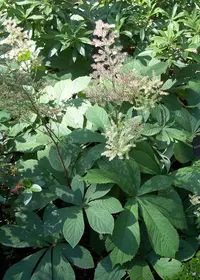
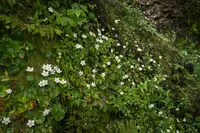
Chinese rodgersia (Rodgersia aesculifolia) is a hardy, clump-forming perennial grown mainly for its bold, architectural foliage. It produces large, chestnut-like leaves on sturdy stems, often emerging bronze or copper-toned before maturing to rich green. Tall, airy plumes of creamy white to pink flowers rise above the foliage in early to midsummer. In nature, this plant occurs in moist, shaded mountain valleys and stream edges in China. Its preference for consistently damp, humus-rich soil and shade to partial shade means it thrives in cool, sheltered garden spots. Once its moisture needs are understood, it is relatively straightforward to care for Chinese rodgersia in temperate climates.

Main Plant Requirements

Care Difficulty

Moderate Care

Light Preference

Partial Shade

Water Requirements

Keep Soil Moist

Temperature Preference

Cold Hardy

Hardiness Zone

5–7

Soil Texture

Loamy, Silty, Organic-rich

Soil pH

Acidic (5.5–6.5), Slightly acidic (6.5–7.0)

Soil Drainage

Moist but well-drained

Fertilization

Minimal (feed rarely)

Get Personalized Care Plan

Scan your plant to receive care tips personalized for your specific plant

Available on iOS and Android

How to Care for the Chinese rodgersia

This shade-loving perennial thrives in cool, moist light conditions rather than strong direct sun.

  • Provide dappled or filtered light with 2–4 hours of gentle morning sun and full shade from harsh afternoon sun to prevent leaf scorch.
  • Site Chinese rodgersia under high tree canopy, on the north or east side of buildings, or near water features where light is bright but indirect.
  • In hotter summers, increase shade from late spring onward; in cooler climates, brief early- or late-day sun improves foliage color without stressing the plant.

This plant prefers consistently moist soil without becoming waterlogged.

  • Water when the top 2–3 cm of soil feels just barely dry, aiming to keep the root zone evenly damp during active growth in spring and summer.
  • Ensure rich, humus-heavy soil with good structure so it drains slowly but does not form standing water, which encourages root rot and foul odor.
  • Reduce watering in late fall and winter, but never allow the soil to fully dry; wilting, crisp leaf edges, and slow growth indicate underwatering, while yellowing and mushy stems suggest excess moisture.

This hardy perennial prefers cool to mild conditions and tolerates substantial winter cold once established.

  • Optimal growth occurs around 60–75°F (16–24°C), especially in spring and early summer, combined with moist soil and protection from hot, direct sun.
  • Rodgersia aesculifolia survives winter down to about -20°F (-29°C) in the ground, dying back above soil level and re-sprouting when temperatures warm.
  • Heat above 85°F (29°C) stresses the foliage; use extra shade, mulch, and soil moisture during hot spells, and avoid planting in heat-reflecting sites near pavement or south-facing walls.

This woodland perennial prefers consistently moist, cool air and struggles in dry conditions.

  • Aim for 60–80% humidity, especially during warm weather, to prevent leaf scorch and browning edges.
  • It tolerates only brief spells of dry air; prolonged low humidity causes crispy margins and drooping foliage.
  • Increase humidity by planting near water features, grouping dense plantings, or using mulch to keep the root zone cool and evaporative moisture higher.

Rodgersia aesculifolia grows best in deep, moisture-retentive but aerated soil.

  • Use a rich, loamy soil with plenty of organic matter to hold moisture while still allowing air around the roots.
  • Ensure slow, even drainage; the soil should stay damp but never waterlogged, which leads to root rot.
  • Aim for slightly acidic to neutral pH, around 6.0–7.0, which supports nutrient availability and healthy growth.
  • Improve structure by mixing in compost, leaf mold, and a little fine bark; avoid heavy clay or very sandy, fast-drying soil.

This species can be grown in large containers, but only where consistent moisture and stability can be maintained.

  • Choose a wide, deep container to support its spreading root system and prevent the plant from becoming top-heavy in wind.
  • Use a heavy, stable pot material such as glazed ceramic to reduce tipping and slow moisture loss in hot periods.
  • Fill the container with a high-organic, loamy mix that stays evenly damp, then raise the pot on feet so excess water clears freely.

Rodgersia aesculifolia benefits from modest, consistent nutrition in humus-rich, moisture-retentive soil.

  • Apply a balanced slow-release fertilizer (around 10-10-10) at 1/2 strength in early spring as new growth emerges.
  • Supplement with a thin layer of garden compost around the root zone once per year to support foliage vigor in Chinese rodgersia.
  • During the growing season, feed once more in midsummer if soil is poor; skip if growth already looks strong and lush.
  • Stop feeding in late summer and do not fertilize in fall or winter, allowing the plant to enter and remain in dormancy naturally.

Rodgersia aesculifolia needs only light pruning to keep clumps tidy and healthy.

  • In late fall or very early spring, cut back dead or collapsed leaves to ground level with clean hand pruners.
  • Remove damaged, diseased, or heavily spotted foliage whenever noticed to reduce fungal spread and improve appearance.
  • Thin out congested stems at the clump edges to maintain airflow and an open, balanced shape.
  • Avoid cutting live green shoots midseason, since this can reduce leaf display and stress the plant.

This plant is usually grown in the ground, so focus on thoughtful transplanting rather than frequent repotting.

  • Look for signs such as crowded clumps, reduced vigor, or roots circling in a container before moving Rodgersia aesculifolia.
  • Transplant or divide in early spring or early fall, when temperatures are mild and soil stays evenly moist.
  • Plan on lifting and resetting or dividing mature clumps every 4–6 years to refresh soil and manage size.
  • Dig a wide hole, keep as much root ball as possible, replant at the same depth, and water thoroughly to limit transplant shock.

This species is most commonly propagated by division, with seeds used mainly for patient growers and breeding work.

  • Divide established clumps in early spring or early fall, lifting sections with several buds and healthy roots.
  • Replant divisions into rich, consistently moist soil, spacing them to allow future spread and firming soil around roots.
  • For seed, sow fresh seed in trays outdoors for natural cold stratification, keeping the mix evenly moist.
  • Provide partial shade, cool conditions, and protection from drying wind to support establishment of young plants.

Rodgersia aesculifolia is cold hardy in many temperate gardens and usually needs only simple winter preparation.

  • After frost blackens foliage, cut stems down to just above soil level to reduce disease carryover.
  • Apply a 5–8 cm layer of organic mulch over the root zone to buffer freeze–thaw cycles and protect rhizomes.
  • In colder regions or exposed sites, increase mulch depth and keep soil from drying out completely during mild winter spells.
  • For container-grown plants, move pots into a sheltered, unheated spot and insulate containers to safeguard roots.

Care Tips

Mulch For Cool Roots

Apply a 5–8 cm layer of shredded bark or leaf mold each spring to keep roots cool, conserve moisture, and reduce weed competition without burying the crown.

Shade-Companion Planting

Plant beside taller, airy perennials or shrubs that cast light shade so the foliage is protected from afternoon sun while still getting enough light for strong leaf growth.

Moisture Buffering Basin

Shape a shallow basin around the root zone and top it with organic mulch so rainfall and irrigation soak in slowly instead of running off, especially on slight slopes.

Leaf Size Management

Thin out a few inner stems in dense clumps in early spring so the remaining shoots have more space and resources to develop larger, well-ventilated leaves that dry faster after rain.

Slug And Snail Barriers

Place coarse materials like crushed gravel or sharp grit in a 5–10 cm band around the clump and remove nearby hiding spots such as boards or dense groundcovers to reduce slug and snail damage when growing Chinese rodgersia.

Common Pests and Diseases

Slugs and snails

This pest group is strongly attracted to the large, moisture-retentive leaves and can cause heavy cosmetic damage, especially on young foliage.

Solution

Hand-pick in the evening, use beer traps or iron phosphate pellets, and place copper tape or rough barriers around clumps; reduce dense groundcover and debris near crowns to limit hiding spots while keeping soil moisture adequate for growing Chinese rodgersia.

Powdery mildew

This disease appears as white, powdery patches on upper leaf surfaces, often during warm days with cool, humid nights and reduced air movement around the foliage.

Solution

Improve air circulation by thinning overcrowded shoots, avoid overhead watering, remove and discard badly affected leaves, and if needed use a sulfur or potassium bicarbonate fungicide labeled for ornamentals, applied according to the product directions.

Leaf spot

This disease causes brown or purple spotting that can merge into larger blotches, often starting on older leaves in damp, shaded sites with poor airflow.

Solution

Remove and dispose of affected leaves, keep watering at the soil level rather than on foliage, increase spacing and light airflow around clumps, and in persistent cases use a copper-based fungicide during wet periods to protect new growth.

Vine weevils

These insects feed on the leaf margins as adults, leaving notched edges, while larvae in the soil can chew on roots and weaken plants in containers or very loose, organic soils.

Solution

Inspect foliage at night and physically remove adults, avoid overly loose potting mixes outdoors, and apply beneficial nematodes (Steinernema species) to the soil in late summer or early fall to target the larvae around the roots.

Interesting Facts

Horse chestnut lookalike

The foliage closely resembles that of the horse chestnut tree Aesculus hippocastanum, with large, palmately divided leaflets that inspired both its species name aesculifolia and the common name fingerleaf rodgersia.

Moisture-loving understory plant

In its native habitats in China, this species usually grows along stream banks and in damp mountain woodland, where cool, consistently moist soils and high air humidity support its large leaf surface.

Textured foliage for shade

The leaves often have a noticeably corrugated or rugose surface, which increases light capture in shaded sites and also sheds excess water efficiently after rain in its cool, wet habitat.

Botan icon

Did you know?

In some Chinese mountain regions, this species forms extensive colonies through slowly spreading rhizomes, creating dense ground layers that help stabilize moist forest soils and reduce surface erosion along streams and slopes.

FAQs about Chinese rodgersia

This species spreads slowly by rhizomes, forming a clump that enlarges over several years rather than running quickly. It usually stays where planted if given moisture and shade, but can gradually fill a dedicated area.

Grow Healthy Plants with Botan Care

Keep your plants happy and healthy with plant identification, disease detection, and easy care guidance.

Botan plant care app — identify plants on mobile

Explore More Plants