Water Level Control
Use a shallow tray or pond shelf so the crown sits just at or slightly above the waterline while roots stay submerged, and raise the container a few centimeters if stems begin to rot at the base.

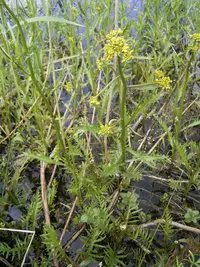
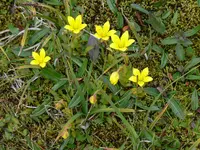
Great yellow-cress, Rorippa amphibia, is a perennial aquatic or semi-aquatic plant in the cabbage family. It often grows in dense stands along slow rivers, ponds, and wet ditches. The plant forms creeping, branching stems with toothed, variable leaves and clusters of small bright yellow flowers that give it a soft, foamy look in bloom. It spreads both by seed and by creeping rhizomes, so it can colonize open, wet ground quickly. In the wild it is native to Europe and parts of Asia, and it has naturalized in some regions of North America. Gardeners who want to care for Great Yellow-cress should provide constantly moist or shallowly flooded soil and full sun to light shade.

Care Difficulty
Moderate Care

Light Preference
Full Sun

Water Requirements
Aquatic

Temperature Preference
Cold Hardy

Hardiness Zone
3–9

Soil Texture
Loamy, Silty, Organic-rich

Soil pH
Slightly acidic (6.5–7.0), Neutral (7.0)

Soil Drainage
Waterlogged tolerant

Fertilization
Minimal (feed rarely)
Scan your plant to receive care tips personalized for your specific plant
Available on iOS and Android
This aquatic species prefers long, bright days with some protection from intense midday sun.
This plant is adapted to constantly wet conditions and does best with stable moisture levels.
This species is cold-hardy and tolerates a wide temperature range when its roots stay wet.
This semi-aquatic species prefers very moist air but usually manages in typical outdoor humidity if roots stay wet.
This plant is adapted to saturated, nutrient-rich substrates rather than conventional garden soil.
This species can grow in containers if the pot is treated as a mini bog or shallow aquatic planter.
This semi-aquatic perennial usually grows well in nutrient-rich, wet soils and needs only light feeding in managed plantings of Great Yellow-cress.
Pruning Rorippa amphibia is mainly used to control spread and keep growth tidy in managed water edges.
Management of this species usually involves transplanting clumps along pond margins rather than frequent container repotting.
Rorippa amphibia is commonly propagated to establish or expand patches in wetland or pond-edge plantings.
This cold-hardy aquatic perennial generally survives winter well in most temperate climates and needs minimal special care.

Plant Health Check
Not sure what's wrong with your plant? Check your plant's health inside the app.
This species can grow both fully submerged in water and on exposed muddy banks, changing its leaf shape and stem form depending on whether it is underwater or emergent.
It spreads efficiently along rivers and lakeshores using creeping, rooting stems, so a single genetic individual can occupy a long stretch of shoreline habitat.
Natural populations are most abundant on seasonally flooded margins of slow-moving rivers, ponds, and lakes, where repeated water-level changes limit competition from less flood-tolerant plants.

In Europe, this species is often used as an indicator of naturally functioning river floodplains, because stable populations usually signal long-term, relatively unaltered water level dynamics and good connectivity between a river and its adjoining wetlands.
This species spreads vigorously through both seed and creeping stems, especially in shallow, slow-moving or still water. In suitable habitat it can quickly form dense colonies, so regular thinning or physical barriers are needed in managed ponds or water gardens.
Keep your plants happy and healthy with plant identification, disease detection, and easy care guidance.