Saw-leaved Liveforever Care (Rosularia serrata)

Saw-leaved Liveforever

About Saw-leaved Liveforever

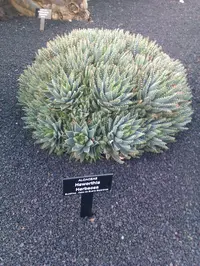
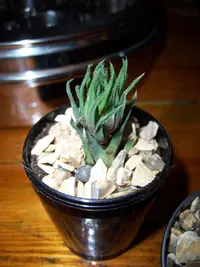
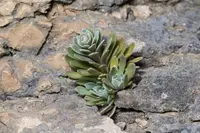
Rosularia serrata, commonly called saw-leaved liveforever, is a small, mat-forming succulent from rocky slopes in Turkey and surrounding regions. It forms tight rosettes of thick, toothed leaves that often blush red in strong light or cool temperatures.

Plants stay low and spread slowly, making them suitable for rock gardens, troughs, and containers. Their fleshy leaves and shallow roots store water, which makes them quite drought-tolerant once established.

This species prefers bright light, good air movement, and sharply draining, mineral-rich soil. These traits generally make it easier to care for Saw-leaved Liveforever in dry, sunny settings than in humid, shady spots.

Main Plant Requirements

Care Difficulty

Easy Care

Light Preference

Full Sun

Water Requirements

Low Water

Temperature Preference

Cold Hardy

Hardiness Zone

5–8

Soil Texture

Sandy, Loamy, Rocky

Soil pH

Slightly acidic (6.5–7.0), Neutral (7.0)

Soil Drainage

Well-drained

Fertilization

Minimal (feed rarely)

Get Personalized Care Plan

Scan your plant to receive care tips personalized for your specific plant

Available on iOS and Android

How to Care for the Saw-leaved Liveforever

This compact alpine succulent prefers bright, cool sun conditions with some protection from intense heat.

  • Give 4–6 hours of direct morning sun, then light shade or filtered light in the afternoon, especially in hotter regions.
  • Plant Saw-leaved Liveforever in an open spot that still receives bright light for 6–8 hours total; dense shade leads to stretched, weak rosettes and dull leaf color.
  • In summer, monitor for leaf scorch or pale patches from intense sun; in winter, maximize light by avoiding shadow from taller plants or structures.

This drought-tolerant succulent stores water in its leaves and needs infrequent, careful watering.

  • Allow the top 3–5 cm of soil to dry fully before watering; in well-drained ground this often means waiting until the soil feels dry and loose, not cool or sticky.
  • During active growth in spring and early summer, water deeply but infrequently, then let excess drain completely to protect Rosularia serrata from root rot.
  • Reduce watering sharply in late fall and winter; shriveling leaves signal underwatering, while mushy, translucent leaves or a sour soil smell indicate overwatering.

This alpine species prefers cool to moderate temperatures and tolerates significant cold when kept dry.

  • Optimal growth occurs around 55–70°F (13–21°C), with cooler nights that mimic its mountain habitat and help maintain compact rosettes.
  • Established plants in sharply drained soil can tolerate brief drops to about 0°F (-18°C), but repeated freeze-thaw in wet soil greatly increases rot risk.
  • In hot summers above 85°F (29°C), provide afternoon shade and good air movement; protect from heat radiating off stone or concrete that can overheat roots.

This succulent handles dry indoor air easily and rarely needs special humidity adjustment when caring for Saw-leaved Liveforever.

  • Ideal humidity is 30–50%, similar to most heated or air-conditioned homes.
  • Tolerates air drier than 30%, but growth may slow if combined with low light and overwatering.
  • If leaves wrinkle while soil stays moist, reduce drafts from heaters or vents rather than adding extra humidity.

Rosularia serrata prefers a very fast-draining, mineral-based substrate that mimics rocky slopes.

  • Use a gritty mix such as 50–60% cactus mix combined with coarse sand, fine gravel, or perlite for sharp drainage.
  • Ensure soil feels loose and granular, not compacted, so air can reach roots and excess water drains in seconds, not minutes.
  • Aim for slightly acidic to neutral pH around 6.0–7.0, avoiding strongly acidic or alkaline substrates that can limit nutrient uptake.
  • Avoid heavy loam, peat-heavy blends, or water-retentive potting mixes that stay wet, as these quickly lead to root rot.

This species is well suited to container cultivation, especially in shallow, fast-draining pots.

  • Choose a wide, shallow container to match its low, spreading habit and prevent water from pooling around roots.
  • Use unglazed terracotta if possible, as its porous walls help excess moisture evaporate from the root zone.
  • Elevate the pot slightly on feet or tiles so drainage holes stay clear and runoff water does not wick back into the substrate.

Rosularia serrata is a low-feeding succulent that benefits from light nutrition in active growth only.

  • Use a dilute balanced liquid fertilizer (for example 10-10-10) at 1/4–1/2 strength during spring–summer growth.
  • Feed every 4–6 weeks if growth is active; skip doses if the mix stays very fresh and plants look firm.
  • Avoid rich compost or heavy slow-release pellets that keep soil wet and may burn roots.
  • Stop feeding in fall–winter dormancy, especially for indoor Saw-leaved Liveforever, to prevent weak, stretched growth.

Rosularia serrata needs minimal pruning, mainly to keep rosettes tidy and healthy.

  • Best time is late winter to early spring, before strong new growth starts.
  • Remove dead, damaged, or shriveled rosettes and spent flower stems with clean scissors or snips.
  • Thin crowded offsets slightly to improve air flow and reduce rot risk in damp weather.
  • Light shaping after flowering helps maintain a compact mound without reducing next season’s display.

This succulent prefers stable conditions and only occasional repotting or transplanting.

  • Repot or transplant every 2–3 years, or when roots circle the pot base or growth becomes noticeably slower.
  • Choose late spring as the safest time, when temperatures are mild and growth is starting.
  • Use a shallow container with very free-draining gritty mix to limit root rot risk.
  • Gently tease out circling roots, remove old soggy soil, water lightly once, then let the mix dry well before the next watering to reduce stress.

Rosularia serrata is commonly propagated from offsets and short stem cuttings.

  • Separate offsets in late spring–early summer when they are firm and well rooted.
  • For cuttings, remove a rosette with a short stem, let the cut end dry 1–2 days, then place on gritty, barely moist mix.
  • Keep in bright, indirect light at 65–75°F with very light watering until roots form.
  • Seeds can be sown on the surface of a well-draining mix, kept lightly moist and warm, though this is slower than offsets.

This species is fairly cold hardy but still benefits from simple winter care, especially in containers.

  • In-ground plants tolerate light to moderate frost if soil drains very well.
  • Apply a thin layer of fine gravel rather than organic mulch to keep the crown dry around freezing periods.
  • Move containers under cover or indoors to a bright, cool, frost-free place in very cold climates.
  • Water sparingly in winter, allowing the mix to dry almost completely between small drinks.

Care Tips

Alpine-style staging

Place pots on a slope of gravel or small stones so water drains quickly away from the rosettes, mimicking the plant’s natural rocky habitat and preventing crown rot.

Use top-dressing grit

Apply a 0.5–1 in layer of fine gravel around the rosettes to keep leaves dry at the base, reduce algae and moss on the soil surface, and stabilize shallow roots in outdoor troughs.

Control rosette crowding

Every 2–3 years, lift and thin tightly packed clumps by removing older central rosettes, then replant younger offsets with a bit of spacing to maintain airflow and prevent fungal issues.

Protect from winter wet

In regions with cold, wet winters, place pots under an overhang or use a simple transparent rain cover so the plant stays cold but relatively dry, which greatly improves long-term survival.

Acclimate to full sun

When moving plants from indoor or shaded conditions to high light, increase sun exposure over 7–10 days to avoid leaf scorch and support steady growth when caring for Saw-leaved Liveforever.

Common Pests and Diseases

Mealybugs

This pest often hides in leaf rosettes and along stems, sucking sap and causing stunted growth and a dull, sticky appearance. Symptoms include white, cottony clumps in crevices between leaves.

Solution

Isolate the plant, then dab visible insects with cotton swabs dipped in 70% isopropyl alcohol and gently wipe residues from the rosettes. For larger infestations, rinse the plant thoroughly with a strong but controlled stream of water and repeat alcohol spot-treatments weekly until no new mealybugs appear, keeping the plant in bright, dry, well-ventilated conditions.

Aphids

These insects cluster on tender new growth and flower stalks, feeding on sap and causing distorted leaves, sticky honeydew, and sometimes sooty mold on the leaf surface. Colonies may appear suddenly during periods of soft new growth.

Solution

Trim off heavily infested flower stalks or shoots and discard them. Rinse remaining foliage with a firm stream of water, then, if needed, apply an insecticidal soap spray thoroughly to all sides of leaves and repeat every 5–7 days until aphids are gone, avoiding treatment during the hottest part of the day.

Spider mites

This pest thrives in hot, very dry conditions and causes fine speckling, dulling, and eventual bronzing of the leaves. Symptoms include fine webbing in tight leaf rosettes and between offsets.

Solution

Increase local humidity around the plant without wetting the soil surface excessively and rinse the foliage under a gentle but thorough stream of lukewarm water, directing flow into rosettes where mites hide. If mites persist, use a ready-to-use miticidal or insecticidal soap, coating all leaf surfaces and repeating at 5–7 day intervals while improving airflow and avoiding heat stress.

Powdery mildew

This disease can develop on crowded rosettes in warm, dry air with poor airflow, creating white, powdery patches on the leaf surface. Symptoms include dulling of the foliage, distorted new leaves, and slow decline of affected rosettes.

Solution

Remove badly affected leaves to open up the rosette, then place the plant in a spot with more air movement and good morning sun. If needed, apply a sulfur-based or potassium bicarbonate fungicide labeled for ornamental succulents, ensuring leaves dry quickly after treatment and avoiding overhead watering in the evening.

Crown rot

This disease affects the dense central rosette when moisture lingers in the crown, causing the base of the plant to soften, darken, and collapse. Symptoms include leaves pulling away easily from a mushy center while outer offsets may still look healthy at first.

Solution

Immediately remove and discard the affected central rosette and any soft tissue, preserving only firm, healthy offsets. Replant salvaged pieces in a sharply drained, gritty mix, keep the crown above the soil line, water sparingly from below the foliage, and position the plant in a bright, airy place to dry quickly between waterings as part of careful Rosularia serrata plant care.

Interesting Facts

Alpine rock specialist

This species is naturally confined to rocky alpine and subalpine habitats in Turkey, where it anchors into shallow crevices and pockets of mineral soil on exposed slopes and cliffs.

Summer rosette strategy

It forms tight summer rosettes of small, serrated leaves that minimize water loss and protect the growing point from strong sun and wind at high elevations.

Cold-tolerant succulent

Unlike many succulents from warm deserts, this plant tolerates substantial cold and seasonal snow cover in its native range, reflecting its adaptation to continental mountain climates.

FAQs about Saw-leaved Liveforever

The star-shaped summer flowers are modest in size but produce nectar that attracts small bees, hoverflies, and sometimes tiny butterflies. Planting several together in a sunny, dry spot increases pollinator activity around this species.

Grow Healthy Plants with Botan Care

Keep your plants happy and healthy with plant identification, disease detection, and easy care guidance.

Botan plant care app — identify plants on mobile

Explore More Plants