


Staggered Stem Harvest
When stems reach 15–25 cm, trim only every second or third stem at the base to encourage bushier regrowth while preserving enough foliage for strong photosynthesis.

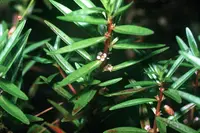
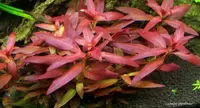
Lowland rotala (Rotala ramosior) is a small, semi-aquatic herb often found along pond margins, marshes, and slow-moving waterways. It naturally occurs across parts of North America, especially in lowland wet habitats.
The plant forms slender, upright stems with small, opposite leaves and delicate flowers that can appear in subtle shades of white to pale pink. In aquariums or very wet soils it may grow more submerged, while in moist banks it grows emergent above the water.
Rotala ramosior tends to favor consistently moist conditions, good light, and nutrient-rich, fine-textured substrates. These traits make it appealing yet somewhat specialized, so understanding how to care for lowland rotala helps keep it healthy and stable over time.

Care Difficulty
Moderate Care

Light Preference
Full Sun

Water Requirements
Aquatic

Temperature Preference
Warm Climate

Hardiness Zone
5–9

Soil Texture
Sandy, Loamy, Silty

Soil pH
Acidic (5.5–6.5), Slightly acidic (6.5–7.0)

Soil Drainage
Waterlogged tolerant

Fertilization
Light (every 4–6 weeks)
Scan your plant to receive care tips personalized for your specific plant
Available on iOS and Android
Rotala ramosior grows best with strong, consistent light that mimics open wetland conditions.
This wetland species needs steadily moist conditions but still benefits from controlled watering.
This species prefers warm conditions and does poorly in cold or freezing weather.
This aquatic-margin species prefers moderately high humidity when grown emersed but adapts to typical indoor levels.
Rotala ramosior prefers consistently moist, fine-textured, nutrient-rich substrate that does not stay anaerobic.
This species is suitable for container growing in shallow tubs or pots near or in water.
This wetland native grows in lean conditions but responds well to modest feeding in containers or managed plantings.
Thoughtful pruning keeps Rotala ramosior compact, vigorous, and less likely to lodge or sprawl.
This species is usually grown in wet beds or ponds, so focus on careful transplanting rather than frequent repotting.
New Rotala ramosior plants are most often produced from stem cuttings, with seed used for larger restoration projects.
This aquatic native is fairly cold hardy in much of its range and usually needs only light winter management outdoors.

Plant Health Check
Not sure what's wrong with your plant? Check your plant's health inside the app.
This species naturally alternates between submerged and emergent growth in the wild, forming different leaf shapes and textures depending on whether it is growing under water or in moist soil along shorelines and ditches.
Unlike many aquarium stem plants that come from Asia or South America, this species is native to North America and occurs from Canada down through the eastern and central United States in wet meadows, marshy fields, and shallow pond margins.
When grown emersed on muddy or sandy shores, it produces very small, pale flowers in the leaf axils that can set large amounts of seed, helping it persist in habitats that flood and dry on a seasonal cycle.
Limited flowering usually comes from insufficient light, poor nutrient availability, or water levels that are too deep or unstable. Provide consistent shallow moisture, full or strong light, and a balanced aquatic fertilizer to support bud formation and flowering.
Keep your plants happy and healthy with plant identification, disease detection, and easy care guidance.

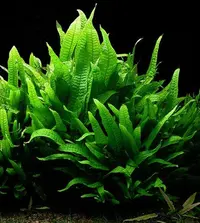
Java fern
Leptochilus pteropus
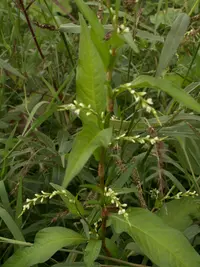
water pepper
Persicaria hydropiper
common stonewort
Chara vulgaris
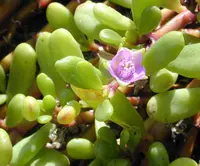
shoreline seapurslane
Sesuvium portulacastrum
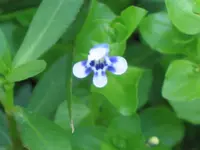
Roundleaf Lindernia
Lindernia rotundifolia
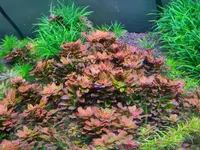
globefruit primrose-willow
Ludwigia sphaerocarpa
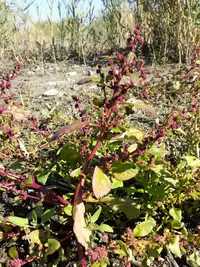
Low Goosefoot
Oxybasis chenopodioides
Cylindricfruit Primrose-willow
Ludwigia glandulosa