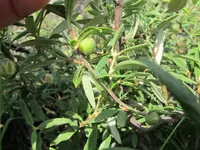
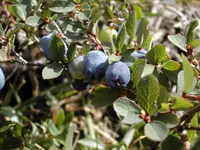
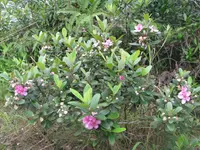
Leafless Lawyer Care (Rubus squarrosus)

Leafless Lawyer

About Leafless Lawyer

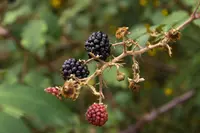
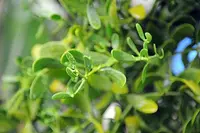
Leafless lawyer (Rubus squarrosus) is a thorny, deciduous bramble native to parts of New Zealand, where it forms dense, scrambling thickets. It belongs to the raspberry and blackberry group but has a more wiry, open habit with small leaves and stiff, often almost leafless stems.

This species spreads aggressively and can become invasive in mild, moist climates, which affects how easy it is to manage in gardens. It generally prefers sunny to lightly shaded positions and well-drained, moderately moist soil. Gardeners who plan to care for Leafless Lawyer should be prepared for its vigorous growth and strong prickles.

Main Plant Requirements

Care Difficulty

Moderate Care

Light Preference

Partial Sun

Water Requirements

Moderate Water

Temperature Preference

Cool Climate

Hardiness Zone

8–10

Soil Texture

Loamy, Sandy, Rocky

Soil pH

Acidic (5.5–6.5), Slightly acidic (6.5–7.0)

Soil Drainage

Well-drained

Fertilization

Minimal (feed rarely)

Get Personalized Care Plan

Scan your plant to receive care tips personalized for your specific plant

Available on iOS and Android

How to Care for the Leafless Lawyer

Rubus squarrosus prefers bright, open conditions with protection from harsh summer extremes.

  • Aim for 4–6 hours of direct sun daily, ideally gentle morning sun with light shade or filtered light in the hottest afternoon hours.
  • The shrub tolerates light partial shade, but dense shade leads to weak, elongated growth and reduced flowering of Leafless Lawyer.
  • In hot, dry summers, use nearby shrubs, trees, or shade cloth to soften intense midday sun and reduce leaf scorch risk.

Rubus squarrosus needs consistent but not saturated soil moisture once established.

  • Water when the top 3–5 cm of soil feels dry, applying a deep soak so moisture reaches the main root zone rather than frequent shallow splashes.
  • Ensure free-draining soil; pooling water or a sour smell in the root area signals poor drainage and potential root rot from overwatering.
  • In hot, dry periods, expect faster drying and more frequent watering, while cool or rainy seasons often require little to no supplemental irrigation.

This shrub is adapted to cool, temperate climates with marked seasonal change.

  • Optimal growing temperatures sit around 55–75°F (13–24°C), supporting steady shoot growth and flowering in the active season.
  • Dormant plants tolerate winter cold well below 32°F (0°C), but young or newly planted specimens benefit from mulch insulation in hard freezes.
  • In summer heat above about 86°F (30°C), provide extra water and some afternoon shade to limit stress, leaf scorch, and reduced vigor.

This species tolerates a wide humidity range and usually does not need special humidity management indoors or outdoors.

  • Aim for 30–60% humidity; typical indoor air is acceptable for Leafless Lawyer if watering is consistent.
  • Leaves or young canes that crisp at the edges can indicate combined low humidity and underwatering stress.
  • In very dry heated rooms, group plants together or place the pot on a pebble tray to slightly raise local humidity.

Rubus squarrosus prefers a moderately moist, well-drained, structurally stable substrate.

  • Use a loamy mix with 40–60% organic matter, such as composted bark and leaf mold, blended with mineral material like coarse sand.
  • Ensure rapid drainage; water should pass through the pot within seconds, not sit on the surface or in the saucer.
  • Aim for slightly acidic to neutral pH around 6.0–7.0, avoiding strongly alkaline or saline conditions that stunt root growth.
  • Improve aeration by adding 20–30% coarse grit or perlite and avoid fine, compacted clays that exclude oxygen and encourage root rot.

This shrub can be grown in containers if the pot is chosen to manage its woody, spreading root system and above-ground weight.

  • Select a deep, heavy container that resists tipping once the canes become long and wind-exposed.
  • Choose thick-walled clay or concrete if extra evaporation and stability are needed in wet or windy outdoor sites.
  • Use a pot diameter that allows lateral root spread but still lets the root mass dry within a few days after watering to prevent saturation.

This rugged native bramble needs only modest feeding in most garden soils.

  • Apply a light dressing of well-rotted compost or leaf mold around the root zone in early spring to support new growth.
  • In poorer soils, use a balanced slow-release fertilizer (around 10-10-10) at half strength once in spring for caring for Leafless Lawyer.
  • Avoid high-nitrogen products that push soft, lanky shoots more prone to damage and disease.
  • Do not feed in late fall or winter, as this can stimulate tender growth that may be harmed by cold.

Pruning helps keep Rubus squarrosus manageable and encourages healthy, well-lit growth.

  • Carry out main pruning in late winter or very early spring before buds break.
  • Remove dead, damaged, rubbing, or weak canes at the base using clean, sharp bypass pruners.
  • Thin crowded stems to improve air flow and light penetration, maintaining a balanced, open framework.
  • Shorten excessively long shoots to control spread and guide the plant within its allotted space.

This species is more often established in the ground than kept as a long-term container plant.

  • Plan transplanting for early spring or early fall when temperatures are mild and soil moisture is steady.
  • Look for signs such as roots circling the container, water running off quickly, or stalled growth before moving plants.
  • Lift with as much root ball as possible, disturbing roots minimally to reduce stress and speed re-establishment.
  • Replant at the same depth in well-drained soil, water thoroughly, then keep evenly moist until new growth resumes.

Rubus squarrosus is commonly propagated vegetatively to maintain desired traits.

  • Use layering in spring or late summer by pegging a low, flexible cane into moist soil until roots form, then sever.
  • Take semi-ripe stem cuttings in late summer, place in a free-draining mix, and maintain high humidity and bright shade.
  • Divide young clumps in early spring, ensuring each section has healthy roots and at least 1–2 vigorous shoots.
  • Sow fresh seed in trays outdoors for natural cold stratification, as germination often improves after winter chilling.

This bramble is generally cold hardy and needs only minimal winter care in most temperate gardens.

  • Tolerates typical frosts once established, though young plants benefit from some extra insulation.
  • Apply a 5–8 cm layer of organic mulch around the root zone in late fall, keeping stems clear.
  • In very exposed or windy sites, use stakes or low barriers to prevent canes from whipping and breaking.
  • Container-grown plants in cold climates can be moved to a sheltered wall or unheated garage to reduce root freezing.

Care Tips

Safe site selection

Plant away from narrow paths and play areas so the stiff, heavily armed canes do not snag clothing or skin, and leave at least 60–90 cm clearance on all sides for future spread and maintenance access.

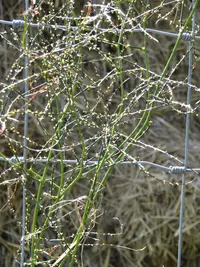
Targeted cane training

Install sturdy horizontal wires or a low fence and loosely tie new canes with soft ties so growth is directed where desired, which keeps the plant accessible for inspection and easier when caring for Leafless Lawyer over many years.

Annual cane renewal

Mark the current season’s canes with a colored tie, then remove the oldest, most congested or damaged canes at the base in late winter to maintain air flow, reduce fungal pressure, and keep the plant structurally strong.

Thorn‑smart handling

Use thick leather gloves, long sleeves, and eye protection when working around the plant, and keep a dedicated, long‑handled lopper just for this shrub so pruning and cleanup can be done at arm’s length.

Underplanting control

Lay a breathable mulch like wood chips 5–8 cm deep around the base, keeping it a few cm off the stems, to suppress seedling suckers and reduce the need to reach into the most heavily spined parts of the plant.

Common Pests and Diseases

Raspberry bud moth

This pest bores into buds and young shoots, causing stunted growth and dieback of tender tips. Symptoms include wilted shoot tips that bend over and fail to leaf out or flower.

Solution

Prune out and destroy affected shoot tips as soon as wilting is noticed to remove larvae before they spread. Maintain good winter and early spring sanitation by removing old canes and plant debris, and where pressure is high, consider using a targeted Bacillus thuringiensis (Bt) or spinosad spray timed to bud break, following label directions for caneberries.

Raspberry beetle

This pest lays eggs on flowers and fruit, and the developing larvae tunnel inside berries, making them crumbly and unmarketable. Symptoms include small brown larvae inside fruit and prematurely soft, misshapen berries.

Solution

Collect and destroy overripe or infested berries promptly to break the life cycle, and keep the area beneath canes free of fallen fruit. In gardens with recurring problems, use fine mesh or insect netting around flowering canes to reduce adult beetle access, and encourage natural predators by maintaining diverse, unsprayed flowering plants nearby.

Cane blight

This disease causes dark, sunken lesions on canes, often at pruning wounds or damaged areas, leading to partial or complete cane death. Symptoms include sudden wilting of side shoots, cracked bark, and grey to purplish cankers on current- or second-year canes.

Solution

Remove and destroy blighted canes as soon as they are noticed, cutting well below visible damage, and always prune in dry weather with clean, disinfected tools. Avoid wounding canes, improve spacing for airflow, and keep irrigation at soil level rather than wetting the canes to reduce infection risk as part of overall Rubus squarrosus care instructions.

Verticillium wilt

This disease infects the vascular system, causing uneven yellowing, leaf scorch, and gradual dieback, often starting on one side of the plant. Symptoms include wilting during warm periods despite adequate soil moisture and poor regrowth from affected crowns.

Solution

Remove and destroy severely affected plants, including as much root material as possible, and avoid replanting Rubus species in the same spot for several years. Choose planting sites that have not recently grown solanaceous crops such as tomato, potato, or eggplant, and maintain good soil drainage and organic matter to support overall plant resilience.

Orange rust

This disease produces bright orange, powdery pustules on the undersides of leaves and can cause leaves to curl, distort, and drop early. Symptoms include weak, spindly canes with reduced vigor and poor fruiting over time.

Solution

Inspect plants in spring and promptly remove and destroy entire infected canes or whole plants that show systemic orange rust, since the pathogen persists in the crown. Space plants for strong airflow, avoid overhead watering, and source new plants from certified disease-free nurseries to reduce introduction and spread.

Interesting Facts

New Zealand endemic bramble

This woody shrub is naturally restricted to New Zealand, where it grows in specific native habitats rather than being widespread across multiple continents like many other Rubus species.

Distinctive squarrose prickles

The species name squarrosus refers to its prickles that stick out at sharp angles from the stems, a feature that helps distinguish it from closely related brambles.

Specialist habitat preference

Field observations show it tends to occur in limited, often localized sites, indicating relatively narrow ecological preferences compared with many more adaptable Rubus relatives.

FAQs about Leafless Lawyer

This species forms dense, suckering thickets from its root system and can spread vigorously in suitable conditions. Use root barriers, regular pruning, and prompt removal of unwanted canes to prevent it from overtaking nearby plantings or pathways.

Grow Healthy Plants with Botan Care

Keep your plants happy and healthy with plant identification, disease detection, and easy care guidance.

Botan plant care app — identify plants on mobile

Explore More Plants