Barbed Tentfig Care (Ruschia intricata)

Barbed Tentfig

About Barbed Tentfig

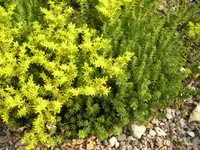
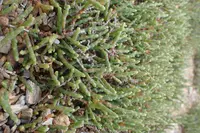
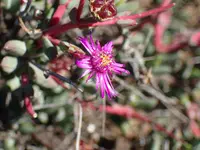
Barbed tentfig (Ruschia intricata) is a compact, mat-forming succulent from arid regions of South Africa. It is often grown as a groundcover or in rock and container gardens. The plant forms tight, branching cushions of small, triangular leaves with a slightly rough texture, and produces daisy-like flowers that add seasonal color. Its dense growth habit and drought tolerance make it suitable for low-maintenance, water-wise plantings.

R. intricata prefers bright light, excellent drainage, and infrequent watering, which reflects its desert origins. These traits usually make it straightforward to care for Barbed Tentfig, provided the roots never sit in wet, heavy soil.

Main Plant Requirements

Care Difficulty

Easy Care

Light Preference

Full Sun

Water Requirements

Low Water

Temperature Preference

Warm Climate

Hardiness Zone

9–11

Soil Texture

Sandy, Loamy, Rocky

Soil pH

Slightly acidic (6.5–7.0), Slightly alkaline (7.0–7.5)

Soil Drainage

Well-drained

Fertilization

Minimal (feed rarely)

Get Personalized Care Plan

Scan your plant to receive care tips personalized for your specific plant

Available on iOS and Android

How to Care for the Barbed Tentfig

This compact succulent prefers strong light and thrives in open, sunny positions.

  • Provide 6–8 hours of direct sun daily; morning to early afternoon sun suits Barbed Tentfig in most dry, mild climates.
  • In very hot regions, give full morning sun with light afternoon shade to prevent leaf scorch and bleaching of stems.
  • In winter, ensure the plant is not shaded by buildings or shrubs; overly low light leads to weak, elongated growth and poor flowering.

This coastal-type succulent is highly drought-tolerant and prefers infrequent, deep watering.

  • Allow soil to dry fully, at least the top 5–8 cm, before watering; use well-drained, gritty soil to prevent root rot.
  • In active growth and flowering, water thoroughly when foliage begins to look slightly less plump; reduce frequency in cool or overcast periods.
  • In winter, water only on dry, mild days if the plant shrivels; soft, yellowing or splitting stems indicate chronic overwatering in Ruschia intricata.

This species prefers mild, dry conditions and tolerates a reasonable range of outdoor temperatures.

  • Optimal growth occurs around 65–80°F (18–27°C) with good air movement and low to moderate humidity.
  • The plant tolerates brief drops to about 25°F (−4°C) if soil is dry but sustained frost below 28°F (−2°C) can damage stems and roots.
  • In hot periods above 90°F (32°C), protect from reflected heat and hot walls, and avoid watering during the hottest part of the day to limit stress.

This succulent thrives in dry air and rarely needs special humidity control.

  • Aim for 30–50% humidity, similar to most heated indoor homes, when caring for Barbed Tentfig.
  • Leaf shriveling with soft, pale tissue usually signals excess humidity combined with poor airflow, not dry air stress.
  • Increase air movement with a small fan and avoid clustering plants tightly to prevent stagnant, overly humid pockets around the foliage.

Ruschia intricata prefers a very fast-draining, mineral-rich substrate that mimics arid, rocky ground.

  • Use a cactus/succulent mix amended 30–50% with coarse sand, pumice, or fine gravel for sharper drainage.
  • Aim for slightly acidic to neutral pH around 6.0–7.0, avoiding peat-heavy mixes that stay wet and compact.
  • Ensure the mix is gritty rather than spongy so water drains through in seconds and roots sit mostly in air pockets.
  • Avoid dense loam, clay, or high-compost blends that hold moisture and promote root and stem rot.

This species is well suited to container growing, especially in shallow, wide pots.

  • Choose a broad, shallow container so the mat-forming roots can spread horizontally without pooling water in deep soil layers.
  • Select unglazed terracotta if extra evaporation is needed in humid or cool climates to keep the root zone dry between waterings.
  • Place the pot where it cannot tip easily, as the spreading top growth can become heavier on one side and unbalance light containers.

Ruschia intricata is a low-nutrient succulent that benefits from light feeding during active growth only.

  • Use a balanced, low-strength liquid fertilizer (such as 10-10-10) diluted to 25–50% in spring and summer.
  • Apply every 4–6 weeks while growth is active, skipping any feeding if the plant looks stressed or waterlogged.
  • Avoid compost-rich or high-organic mixes, which can retain excess moisture and cause root problems.
  • Stop feeding in fall and winter when growth slows, as Barbed Tentfig rests and does not need extra nutrients.

Pruning Ruschia intricata is mainly for tidying and shaping the mat-forming stems.

  • Best time is late winter to early spring, before strong new growth starts.
  • Use clean, sharp scissors or small pruning shears to remove dead, damaged, or woody stems.
  • Trim crowded or overly long runners to maintain a compact, even cushion and encourage fresh shoots.
  • Avoid cutting back into very old, leafless wood, as regrowth from those sections is often weak.

Container-grown Ruschia intricata needs infrequent repotting, mainly when roots outgrow the pot or drainage declines.

  • Check for roots circling the container, slow growth, or water sitting on the surface as signs it needs more space.
  • Plan repotting or transplanting for spring, about every 2–3 years, when the plant starts its main growth phase.
  • Choose a shallow pot with large drainage holes and a very gritty succulent mix to limit water retention and root stress.
  • Gently loosen the root ball, remove old soggy soil, and water lightly after potting, then keep slightly dry for 5–7 days.

Ruschia intricata is commonly propagated from stem cuttings, which root well in the right conditions.

  • Take short, non-flowering tip cuttings in late spring or early summer, 5–8 cm long.
  • Let cut ends dry and callus for 1–2 days to reduce rot risk before placing in gritty, almost dry succulent mix.
  • Provide bright, indirect light, warm temperatures around 70–80°F, and minimal watering until roots form.
  • Seed propagation is possible but slower; surface-sow on well-drained mix, keep slightly moist, and offer good light.

Ruschia intricata is moderately cold tolerant but benefits from some winter protection in cooler climates.

  • In-ground plants in mild climates handle light frosts but may suffer below about 20–25°F.
  • Apply a thin gravel mulch around the crown to improve drainage and shield roots from freeze–thaw cycles.
  • For containers, move pots under cover or indoors to a bright, cool, very dry spot before hard freezes.

Care Tips

Controlled spreading

Grow this plant in a shallow, wide tray or raised stone edging so its mat-forming stems can spread without smothering slower neighbors, trimming back any runners that start to overtop other succulents.

Root zone protection

Top-dress the soil with a 0.5–1 in layer of coarse grit or small gravel to keep the crown dry, reduce splash-borne fungal spores, and stabilize the shallow root system in outdoor plantings.

Winter moisture management

In regions with cool, wet winters, tilt pots slightly or use containers with extra drainage holes so water runs off quickly, which helps prevent root rot during the plant’s semi-dormant period.

Heatwave adjustments

During very hot, dry spells above about 95°F, provide temporary afternoon shade with shade cloth or a lattice screen to reduce stress and leaf scorch without depriving the plant of bright light.

Propagation rotation

Take several short tip cuttings from different parts of the clump every 1–2 years and root them in a separate tray, which keeps a young backup colony in case older central sections thin out over time when growing Barbed Tentfig.

Common Pests and Diseases

Aphids

These insects feed on tender new growth, causing distortion, sticky honeydew, and occasional sooty mold on stems and leaves.

Solution

Rinse stems gently with a firm stream of water to dislodge colonies, then spot treat remaining insects with insecticidal soap or a ready-to-use neem oil spray, applied in the early morning and repeated every 7–10 days as needed. Improve air movement around the plant and avoid overfertilizing, since very soft, lush growth attracts aphids and complicates Ruschia intricata care instructions.

Mealybugs

These insects appear as white, cottony clusters in stem joints and on roots, weakening the plant and causing yellowing or stunted growth.

Solution

Isolate the plant and dab visible mealybugs with cotton swabs dipped in 70% isopropyl alcohol, repeating weekly until no new insects appear. For heavier infestations, use an insecticidal soap or neem oil spray, and if repotting, inspect and rinse roots to remove any hidden root mealybugs before placing the plant in fresh, well-drained mix.

Red spider mites

These pests thrive in hot, very dry conditions, causing fine webbing, pale stippling, and a dull, dusty appearance on the succulent foliage.

Solution

Increase humidity slightly around the plant without wetting the soil, then rinse the foliage thoroughly with lukewarm water to remove mites and webs. Follow with 2–3 applications of insecticidal soap or neem oil at 5–7 day intervals and avoid placing the plant directly next to heat sources that create hot, stagnant air pockets.

Fungal leaf spots

This disease appears as small brown or dark lesions on leaves and stems, often starting where water stays on the surface for long periods.

Solution

Remove and discard affected leaves and avoid overhead watering so foliage stays as dry as possible. Ensure strong light, good airflow, and sharply draining soil; if spotting continues, apply a sulfur-based or copper-based fungicide labeled for ornamental succulents, following label directions carefully.

Stem base rot

This disease affects the lower stems at soil level, which become soft, discolored, and collapse, usually after prolonged excess moisture and poor drainage.

Solution

At the first sign of soft tissue, cut out all mushy sections and propagate only from firm, healthy stem tips in a fast-draining, gritty mix. Reduce watering frequency, keep the plant in bright light with good airflow, and never let containers sit in standing water, especially during cool or low-light periods.

Interesting Facts

Mat-forming leaf cushions

This species grows as a very low, dense mat of short, 3-angled leaves, creating cushion-like clumps that help shade and cool the soil surface in its native habitats of South Africa’s Western and Eastern Cape.

Specialized seed dispersal

Its small capsule fruits open with rain, a mechanism called hygrochasy, which allows seeds to be splashed out and dispersed during wet conditions in an otherwise dry environment.

Karoo dryland specialist

Ruschia intricata occurs naturally in semi-arid Karoo and coastal shrublands, where it is adapted to shallow, stony soils and high light with infrequent but sometimes heavy rainfall events.

FAQs about Barbed Tentfig

This species forms a low, spreading mat but is not usually aggressive in well-drained, low-nutrient soils. It can edge outward over time, so occasional trimming keeps it within rock gardens, borders, or between pavers.

Grow Healthy Plants with Botan Care

Keep your plants happy and healthy with plant identification, disease detection, and easy care guidance.

Botan plant care app — identify plants on mobile

Explore More Plants