Blackening Russula Care (Russula adusta)

Also known as: Winecork Brittlegill
Blackening Russula

About Blackening Russula

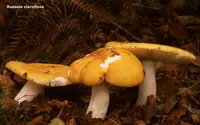
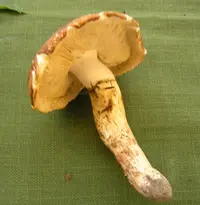
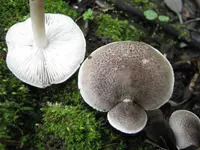
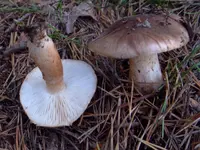
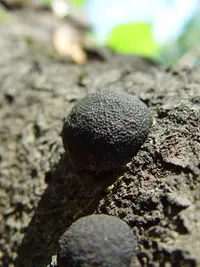
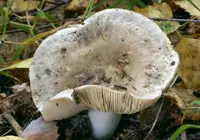
Blackening Russula (Russula adusta) is a wild gilled fungus, not a typical houseplant. It forms firm, round caps that slowly darken to sooty black with age or bruising. The stem is usually pale at first, then also turns gray to black. This species grows on the ground in coniferous and mixed forests, often near decaying wood.

Russula adusta is considered a challenging species for cultivation and is usually collected rather than grown. It prefers cool, moist forest conditions and forms symbiotic relationships with tree roots, which are difficult to recreate at home. Anyone looking into how to care for Blackening Russula should understand it is primarily a woodland fungus, best observed in its natural habitat rather than actively grown indoors or in gardens.

Main Plant Requirements

Care Difficulty

Hard Care

Light Preference

Partial Shade

Water Requirements

Keep Soil Moist

Temperature Preference

Cool Climate

Hardiness Zone

Unknown

Soil Texture

Loamy, Organic-rich, Peaty

Soil pH

Acidic (5.5–6.5)

Soil Drainage

Moist but well-drained

Fertilization

Minimal (feed rarely)

Get Personalized Care Plan

Scan your plant to receive care tips personalized for your specific plant

Available on iOS and Android

How to Care for the Blackening Russula

This woodland fungus prefers cool, dappled light rather than direct, open sun.

  • In natural settings, Blackening Russula fruits best in bright shade under trees, getting 1–3 hours of weak, filtered morning sun and no harsh afternoon sun.
  • Choose sites with continuous overhead canopy or light brush that breaks direct rays; strong midday sun can dry the forest floor and suppress fruiting bodies.
  • Seasonally, more light can reach the ground in early spring and late fall, but midsummer sites should still offer at least 70–90% shade cover.

This mycorrhizal fungus depends on consistently moist but not waterlogged forest soil.

  • Target soil that feels evenly moist 5–8 cm deep, not soggy; standing water for more than 24 hours strongly reduces chances of Russula adusta fruiting.
  • Look for natural indicators such as spongy leaf litter and slowly drying top layers; cracking, dusty soil signals too little moisture, while sour smell and slime suggest excess water.
  • During dry spells, moisture-retentive but free-draining soils with ample organic matter support underground mycelium, especially in late summer and early fall.

This species thrives in cool to mild conditions typical of temperate forests.

  • Optimal fruiting usually occurs around 55–68°F (13–20°C), when days are mild and nights are cool but not freezing.
  • The fungus tolerates brief drops near 32°F (0°C), but repeated hard frosts below 28°F (-2°C) can halt or damage fruiting bodies at the surface.
  • Hot spells above 77–82°F (25–28°C), especially with dry air, often dry the upper soil layer, so shaded, humid forest sites are important in midsummer.

Humidity is not a meaningful care factor for Russula adusta, which naturally fruits in outdoor forest conditions.

Russula adusta fruits in forest soils that are moist, airy, and rich in decomposing organic matter.

  • Aim for a loose, humus-rich, loamy substrate made from decomposed leaves, fine bark, and a small amount of native forest soil if available.
  • Ensure free drainage so water never pools; a slightly moist but never waterlogged profile supports fungal mycelium without suffocating it.
  • Maintain a slightly acidic pH around 5.0–6.5, similar to conifer or mixed woodland floor conditions.
  • Avoid compacted, clay-heavy, or strongly alkaline mineral soils, which restrict aeration and can suppress mycelial development of Russula adusta.

This species is not realistically suitable for container growing, as its mycorrhizal lifestyle depends on complex root and soil-forest interactions that containers cannot replicate long term.

Russula adusta is a wild mycorrhizal fungus that does not need direct fertilization in gardens or containers.

  • Avoid applying synthetic balanced NPK or slow‑release fertilizer directly to fruiting areas, as this can disrupt natural soil communities.
  • If growing Russula adusta near host trees, focus on overall soil health with light, well‑decomposed compost applied broadly, not on the fungus itself.
  • Maintain moderate, steady soil moisture so nutrients already present in the soil remain available to the tree–fungus partnership.
  • For caring for Blackening Russula, prioritize undisturbed leaf litter and minimal chemical inputs instead of targeted feeding.

Russula adusta is a mushroom, so pruning is not part of its care in the way it is for vascular plants.

This fungus naturally associates with tree roots in soil and is not suited to conventional repotting, but site conditions can be managed.

  • Transplant only by moving colonized soil or a host tree seedling; disturbing established patches often reduces future fruiting.
  • Carry out any transplanting in cool, moist seasons, such as early fall, to reduce stress on the tree–fungus relationship.
  • Keep the original soil closely around the roots when moving host plants so mycelium, the fungal feeding network, stays intact.
  • After transplanting, water gently and maintain stable moisture, avoiding compaction or heavy foot traffic over the colonized area.

Russula adusta propagation is largely left to natural spore dispersal and is rarely controlled in home settings.

This species is naturally cold hardy in its native ranges and typically does not require dedicated winter care from gardeners.

Care Tips

Host tree selection

Choose mixed conifer or birch-rich woodland with minimal soil disturbance, since this fungus relies on forming mycorrhiza (a nutrient-exchange partnership) with suitable trees and will not establish well in lawns or heavily managed beds.

Leaf litter management

Maintain a thin, continuous layer of natural leaf litter and small twigs rather than bare soil or thick wood chips, as this supports stable moisture and microbial activity that help the underground mycelium persist when growing Blackening Russula.

Soil compaction control

Limit foot traffic, machinery, and frequent raking over the colonized area because compacted soil reduces air spaces, weakens the mycelium, and can sharply reduce fruiting over time.

Targeted moisture buffering

In dry spells, use a fine-rose watering can or low-flow hose to moisten the surrounding forest floor in the evening, focusing on the wider tree root zone instead of directly on mushroom caps to reduce damage and encourage more stable fruiting conditions.

Fruiting body handling

Harvest caps with a clean knife and avoid kicking or pulling clusters, leaving a portion of mature fruiting bodies to release spores and minimizing disturbance to the underground network that will support future flushes.

Common Pests and Diseases

Mycophagous insects

These insects feed directly on fruiting bodies, causing pitting, tunneling, and rapid decomposition of the caps and stems. Symptoms include soft, discolored spots and small entry holes that make identification and study of the fungus difficult.

Solution

Collect mushrooms promptly once located and discard heavily damaged specimens away from the collection site to reduce local breeding. For repeated field observation in a garden or yard, minimize nearby decaying organic piles that harbor larvae, and handle fruiting bodies gently to avoid spreading insects and eggs.

Slug and snail grazing

These invertebrates consume soft fungal tissue, leaving ragged edges, surface scraping, and large missing sections of the cap. Symptoms include slime trails around the patch and rapid loss of usable tissue for identification or culinary evaluation.

Solution

Hand-pick slugs and snails in the evening or early morning and relocate them away from the mushroom area. In garden settings, use barriers such as copper tape around key observation zones and keep dense ground litter slightly thinned so hiding spots directly adjacent to recurring Russula adusta patches are reduced.

Parasitic fungi

This disease involves secondary fungi colonizing the fruiting bodies, leading to abnormal discoloration, surface mold, or distorted and prematurely collapsing caps. Symptoms include patches of fuzzy growth, unusual colors not typical of aging Russula tissue, and rapid structural breakdown.

Solution

Avoid disturbing and transporting visibly parasitized mushrooms, and do not mix them with sound specimens in the same storage container. When monitoring recurring patches, remove obviously infected fruiting bodies and leave them at the site edge to decompose naturally, which helps limit spore load directly on the main fruiting area while maintaining local biodiversity.

Bacterial soft rot

This disease causes water-soaked, slimy, and foul-smelling decay of the mushroom tissue, often starting at contact points with soil or organic debris. Symptoms include rapid collapse of the stem and cap and a greasy texture that makes the specimen unusable.

Solution

Harvest only firm, uninjured mushrooms and store them in breathable containers such as paper bags to limit moisture accumulation. In garden or yard settings where recurring Russula adusta appears, avoid excessive surface watering and thick, wet leaf piles directly on known fruiting zones, as persistently saturated conditions favor bacterial breakdown of emerging mushrooms.

Interesting Facts

Blackening cap reaction

The cap of this species starts pale gray-brown but steadily darkens to black as it ages or is handled, due to oxidation of pigments in the flesh.

Strong conifer association

This mushroom forms ectomycorrhizal partnerships with conifers, especially spruce and fir, exchanging mineral nutrients from the soil for sugars produced by the trees.

Distinctive smoky odor

Fresh fruiting bodies often have a faint smoky or burnt odor, which helps field mycologists distinguish it from similar-looking Russula species.

FAQs about Blackening Russula

This species is generally considered inedible due to its poor taste, brittle texture, and potential for confusion with toxic look-alikes. It is not recommended for consumption and should be left in place for ecological value.

Grow Healthy Plants with Botan Care

Keep your plants happy and healthy with plant identification, disease detection, and easy care guidance.

Botan plant care app — identify plants on mobile

Explore More Plants