Stinking Brittlegill Care (Russula foetens)

Stinking Brittlegill

About Stinking Brittlegill

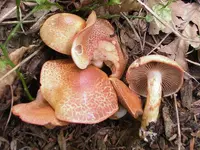
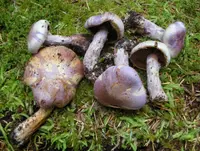
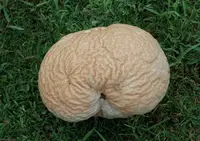
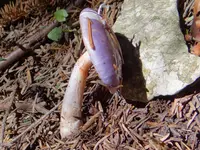
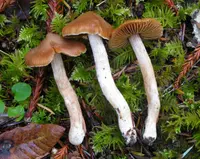
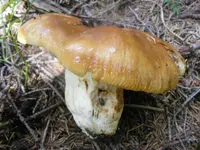
Stinking brittlegill, Russula foetens, is a woodland mushroom rather than a true garden plant. It forms fleshy, brittle caps with pale to yellow-brown surfaces and crowded white gills underneath.

This species usually appears in summer and autumn, growing on the ground in damp, rich forests, often under broadleaf trees. Its strong, unpleasant smell and fragile texture make it easy to identify in the field.

Russula foetens depends on a partnership with tree roots, so it is difficult to cultivate at home and is rarely grown intentionally. Gardeners who want to learn how to care for Stinking Brittlegill mostly focus on understanding and preserving suitable forest-like conditions rather than active cultivation.

Main Plant Requirements

Care Difficulty

Hard Care

Light Preference

Shade

Water Requirements

Keep Soil Moist

Temperature Preference

Cool Climate

Hardiness Zone

Unknown

Soil Texture

Loamy, Silty, Organic-rich

Soil pH

Strongly acidic (4.5–5.5), Acidic (5.5–6.5)

Soil Drainage

Moist but well-drained

Fertilization

Minimal (feed rarely)

Get Personalized Care Plan

Scan your plant to receive care tips personalized for your specific plant

Available on iOS and Android

How to Care for the Stinking Brittlegill

This woodland mushroom prefers low to moderate light, typical of shaded forest floors.

  • Provide 2–4 hours of dappled or filtered sunlight daily, ideally morning sun with afternoon shade created by trees or shrubs.
  • Site Stinking Brittlegill under deciduous trees where summer canopy light is reduced to 10–30% of full sun, mimicking natural conditions.
  • Avoid direct, intense midday sun, which can dry the substrate and fruiting bodies; too little light, however, may limit host tree vigor and reduce mushroom production.

This mycorrhizal mushroom depends on consistently moist, not waterlogged, forest soil.

  • Aim for evenly moist mineral soil with a loose litter layer; the top 2–3 cm should feel damp but not squishy when pressed.
  • In dry spells, especially midsummer, supplement natural rainfall so the upper 5–8 cm of soil does not fully dry and leaf litter remains slightly springy.
  • Watch for overwatering signs such as standing puddles, sewage-like odor, and mossy slime, which signal poor drainage; deep soil cracking and brittle leaf litter indicate underwatering stress for Russula foetens hosts.

This species fruits best in cool to mild conditions typical of temperate forests.

  • Optimal fruiting occurs around 55–68°F (13–20°C), often from late summer to early autumn when day–night temperatures begin to drop.
  • The underground mycelium tolerates down to about 23°F (-5°C), but fruiting bodies are damaged by hard frost below 28°F (-2°C).
  • Sustained heat above 77–82°F (25–28°C) with dry soil reduces fruiting; cooler, moist periods after warm spells often trigger new flushes if host trees remain healthy.

Humidity is not a significant care factor for Russula foetens, which fruits outdoors in naturally fluctuating conditions rather than controlled indoor air.

Russula foetens develops best in moist, airy, organic-rich forest soil that supports its symbiotic relationship with tree roots.

  • Aim for a loose, humus-rich loam with plentiful leaf litter or woodland compost to mimic natural forest floors.
  • Ensure consistent moisture with free drainage; the substrate should stay damp but never waterlogged or compacted.
  • Maintain slightly acidic conditions around pH 5.0–6.5, which favor both fungal growth and associated tree roots.
  • Avoid heavily disturbed, fertilized, or limed soils, which disrupt mycorrhizal associations and reduce fruiting potential.

This species is not suitable for container growing, because it depends on forming mycorrhizal associations with living tree roots in natural soil volumes that containers cannot realistically provide.

Russula foetens is a wild mycorrhizal fungus that should not be fertilized like a garden or container plant.

Russula foetens does not require pruning, since it is a wild mushroom that fruits briefly and then decomposes naturally.

This fungus grows in symbiosis with tree roots in soil and is not suited to normal repotting or transplanting.

  • Avoid lifting or moving fruiting bodies, as disturbance does not help establishment and can damage the underlying mycelium, the main fungal body in soil.
  • Do not attempt container culture; instead, maintain healthy host trees and undisturbed leaf litter where the fungus already occurs.
  • If woodland soil must be disturbed, work outside the fruiting season and keep root and soil disruption as shallow and limited as possible.
  • After unavoidable ground works, allow the area to recover with natural leaf fall and minimal traffic to support mycorrhizal fungi.

Propagation of Russula foetens is specialized, relies on spores and tree root partnerships, and is not practical for typical home cultivation.

No specific winter care is needed, as this woodland mushroom survives as mycelium in soil and is adapted to natural cold conditions.

Care Tips

Identify Safe Habitat

Only collect this fungus from undisturbed, pollution-free woodland with plenty of decaying leaf litter, since contaminants and road runoff can accumulate in fruiting bodies and make even non-edible specimens unsafe for handling or study.

Support Mycorrhizal Partner

Maintain healthy host trees such as beech or oak by avoiding root compaction, excessive pruning, and chemical lawn treatments near the drip line, because the fungus depends on these tree roots to complete its life cycle.

Preserve Forest Floor

Leave leaf litter, small branches, and old wood in place instead of raking heavily, as the dense organic layer helps retain moisture, protects fungal mycelium, and encourages consistent fruiting.

Gentle Harvest Technique

If collecting for identification or research, cut the stem at the base with a clean knife instead of pulling, then carefully replace leaf litter to reduce disturbance to the underground mycelium network when growing Stinking Brittlegill in the same area over time.

Microclimate Moisture Management

In dry spells, lightly water the surrounding soil and leaf litter in the evening around the host tree (not directly on caps) to keep the upper 5–8 cm of soil evenly moist, which supports more reliable fruiting without creating stagnant, waterlogged conditions.

Common Pests and Diseases

Mycophagous slugs

This pest frequently grazes on caps and stems, leaving large ragged holes and slime on the mushroom surface. Symptoms include collapsed or misshapen fruiting bodies, especially in damp conditions.

Solution

Hand-pick slugs in the evening or early morning and remove hiding spots such as boards, dense debris, and low pots near the mushroom area. Use physical barriers like copper tape or sharp mineral grit around beds and, if needed, apply iron phosphate bait according to label directions, keeping it away from pets and wildlife.

Fungus gnats

These insects are attracted to moist, organic mushroom beds and lay eggs in the substrate, where larvae tunnel through developing fruiting bodies. Symptoms include pitted caps, small entry holes, and soft, decaying tissue around feeding sites.

Solution

Reduce excess surface moisture, improve drainage, and avoid overwatering any adjacent cultivation medium. Place yellow sticky traps to capture adults and, where allowed, drench the substrate with a biological control such as Bacillus thuringiensis israelensis (BTI) to target larvae while minimizing impact on other organisms.

Parasitic Hypomyces

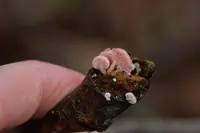
This disease is caused by parasitic fungi in the genus Hypomyces that overgrow Russula fruiting bodies with a white, yellow, or reddish crust. Symptoms include distorted caps, loss of gills, and a powdery or felty coating that eventually renders mushrooms inedible and unable to release spores.

Solution

Remove and discard all affected fruiting bodies promptly, including nearby debris, to reduce spore buildup. Avoid disturbing contaminated soil, and if the area is being used for grow Russula foetens, shift future fruiting beds to a different location with fresh substrate to break the infection cycle.

Moldy cap rot

This disease appears as gray, green, or white mold patches on caps and stems, often following physical damage or prolonged wetness. Symptoms include soft, waterlogged tissue and a fuzzy or powdery fungal growth that spreads quickly in crowded, humid sites.

Solution

Harvest and discard moldy mushrooms and any heavily contaminated substrate around them. Increase air movement, avoid persistent overhead watering, and maintain moderate humidity so caps dry between rains or irrigation, which limits mold establishment and spread.

Interesting Facts

Strong rancid odor

Mature fruiting bodies emit a penetrating rancid or sour smell, often compared to spoiled food, which helps distinguish it from many other Russula species in the field.

Slimy cap and stipe

This species develops a very slimy, sticky cap surface and often a viscid stipe (stem), a combination that is characteristic and contributes to its brittlegill name when the gills snap easily.

Mycorrhizal forest partner

It forms ectomycorrhizal associations with various deciduous and coniferous trees, exchanging mineral nutrients from the soil for sugars produced by the host tree and playing a role in forest nutrient cycling.

Botan icon

Did you know?

In some European field guides, this species is classed as inedible not only because of its unpleasant smell and acrid taste but also because it can cause significant gastrointestinal upset if consumed, despite lacking the deadly toxins found in some other gilled mushrooms.

FAQs about Stinking Brittlegill

This mushroom is considered inedible due to its foul smell, unpleasant taste, and potential to cause digestive upset. It should not be collected for food and is best left undisturbed in the wild.

Grow Healthy Plants with Botan Care

Keep your plants happy and healthy with plant identification, disease detection, and easy care guidance.

Botan plant care app — identify plants on mobile

Explore More Plants