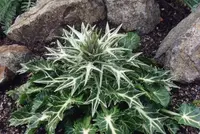
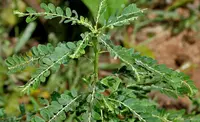
nodding sage Care (Salvia nutans)

nodding sage

About nodding sage

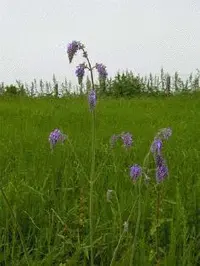
Nodding sage, Salvia nutans, is a hardy perennial herb in the mint family, grown mainly for its graceful, arching flower spikes. It forms clumps of upright stems with narrow leaves and loose, nodding lavender-blue flower clusters that attract bees and other pollinators.

This species is native to parts of eastern and central Europe, where it grows in open, sunny meadows and light grassland. It generally prefers full sun, moderately moist but well-drained soil, and does not like heavy, waterlogged sites.

Once established, nodding sage is relatively low-maintenance and tolerates short dry spells, which makes it manageable for many home gardens. Gardeners who learn how to care for nodding sage usually find it a reliable, long-lived border or prairie-style plant.

Main Plant Requirements

Care Difficulty

Easy Care

Light Preference

Full Sun

Water Requirements

Low Water

Temperature Preference

Cold Hardy

Hardiness Zone

4–8

Soil Texture

Sandy, Loamy, Rocky

Soil pH

Slightly acidic (6.5–7.0), Neutral (7.0)

Soil Drainage

Well-drained

Fertilization

Minimal (feed rarely)

Get Personalized Care Plan

Scan your plant to receive care tips personalized for your specific plant

Available on iOS and Android

How to Care for the nodding sage

This perennial prefers open, bright conditions to flower well.

  • Provide 6–8 hours of direct sun daily; morning sun with light afternoon shade suits hot summer climates best.
  • Tolerates light partial shade (3–4 hours sun), but nodding sage will produce fewer, weaker flowering stems in too much shade.
  • In very hot regions, protect from harsh late-afternoon sun to reduce leaf scorch and excessive drying, especially on exposed, south-facing sites.

This species prefers slightly dry, well-drained conditions rather than constant moisture.

  • Water when the top 3–5 cm of soil feels dry, giving a deep soak so moisture reaches the root zone, then let it drain freely.
  • During hot, dry spells, you may need to water Salvia nutans once or twice a week; in cool or rainy periods, watering is often unnecessary.
  • Watch for yellowing, soft stems as a sign of overwatering and crisp, drooping foliage as a sign the plant has stayed dry for too long.

This hardy perennial tolerates a wide temperature range once established outdoors.

  • Active growth and flowering occur best at 60–80°F (16–27°C), typical of late spring and early summer in many temperate regions.
  • Mature plants usually survive down to about -20°F (-29°C) with mulch, but new plantings need protection from sudden hard freezes.
  • Handles summer heat up to about 90°F (32°C) if soil is not waterlogged; extended extreme heat can shorten bloom time and stress foliage.

Humidity is rarely limiting for Salvia nutans, which thrives in typical outdoor air.

  • Performs well at 30–60% humidity, matching most temperate outdoor conditions.
  • Tolerates dry air but may show browned leaf tips and slower growth in prolonged hot, arid wind.
  • Increasing local humidity with nearby mulched soil or companion plants is only needed in very exposed, dry sites.

Salvia nutans prefers freely draining, moderately fertile soil that never stays saturated.

  • Use a loose loam or sandy loam with 20–30% compost to support steady growth without waterlogging.
  • Ensure sharp drainage; incorporate coarse sand or fine gravel if soil is heavy or tends to puddle after rain.
  • Aim for slightly acidic to neutral pH around 6.0–7.5, avoiding very acidic or salty substrates that restrict root function.
  • Break up compaction and add organic matter to improve aeration, especially in clay-based beds or older planting sites.

This species adapts well to container growing when the pot prevents waterlogging and root restriction.

  • Choose a pot at least 25–30 cm deep to allow the taproot to extend without curling tightly at the base.
  • Select a heavier material, such as ceramic or clay, to stabilize the plant against wind once stems elongate and nod.
  • Raise the container slightly on feet or bricks so drainage holes clear the ground and excess water escapes quickly after rain or irrigation.

This species is adapted to lean soils, so only light fertilization is needed for healthy growth of nodding sage.

  • Use a balanced, slow-release fertilizer (around 10-10-10) or a thin layer of compost in early spring.
  • Feed once at the start of the main growing season; a second light application in midsummer is optional on poor soils.
  • Apply at 1/2 label strength for container plants to avoid salt buildup and soft, floppy growth.
  • Skip feeding in late fall and winter when growth is minimal or dormant.

Pruning helps keep Salvia nutans tidy and encourages a longer flowering period.

  • Shear or deadhead spent flower spikes in late spring and summer to promote fresh blooms and reduce self-seeding.
  • Remove dead, damaged, or weak stems at the base using clean, sharp hand pruners.
  • In late fall or very early spring, cut back old stems to just above ground level to refresh growth.
  • Thin crowded clumps every few years to maintain airflow and a neat, upright habit.

This perennial is usually grown in the ground, so focus on thoughtful transplanting rather than frequent repotting.

  • Transplant in early spring or early fall when temperatures are mild and soil is workable.
  • Move plants when growth slows, clumps become congested, or roots circle a container and emerge from drainage holes.
  • Lift the clump with a spade, keep as much root ball intact as possible, and replant at the same soil depth.
  • Water thoroughly after transplanting, then keep soil evenly moist for 1–2 weeks to limit transplant shock.

Salvia nutans is commonly propagated by seed and by division of established clumps.

  • Sow seeds in late fall outdoors or in early spring; a brief cold period improves germination.
  • Provide bright light and lightly moist, well-drained soil at 60–70°F for seedling growth.
  • Divide mature clumps in early spring or early fall, keeping several shoots and healthy roots per division.
  • Replant divisions promptly and water well to settle soil around the roots and support re-establishment.

This cold-hardy perennial usually needs minimal winter care in most temperate climates.

  • Tolerates typical frost in USDA zones where it is grown, with top growth naturally dying back.
  • After hard frost, cut back dry stems to a few cm above soil to reduce disease harboring.
  • Apply a 3–5 cm layer of mulch around the root zone in colder regions to buffer freeze-thaw cycles.
  • In containers, move pots to a sheltered, unheated but frost-sheltered spot to prevent root damage.

Care Tips

Early staking

Install low, unobtrusive stakes or a pea ring around the clump in early spring before stems elongate, so the nodding flower spikes are supported without needing tight ties later in the season.

Pinch for branching

Lightly pinch back the soft shoot tips when plants are 10–15 cm tall to encourage a denser, more wind-stable crown with more flowering stems.

Shear after flowering

After the main flush of blooms fades, shear the plant back by about one-third and remove spent flower stems to promote a cleaner appearance and a possible light rebloom.

Targeted division

Divide congested clumps every 3–4 years in early spring, replanting only the most vigorous outer sections to maintain strong flowering and reduce disease build-up when growing nodding sage.

Prevent self-seeding

Deadhead or cut back seedheads before they fully mature if you want to keep the planting tidy and prevent unwanted self-sown seedlings spreading into nearby beds.

Common Pests and Diseases

Powdery mildew

This disease shows as white, powdery patches on leaves, stems, and flower spikes, especially in warm, dry conditions with poor air movement. Symptoms include distorted or stunted new growth and premature leaf drop.

Solution

Remove and dispose of heavily infected leaves and avoid overhead watering to keep foliage dry. Improve spacing and airflow around plants, water at soil level in the morning, and use a sulfur or potassium bicarbonate fungicide if the problem persists, following label directions carefully.

Downy mildew

This disease causes yellow or pale patches on the upper leaf surface with gray to purplish downy growth underneath, often during cool, humid weather. Symptoms include leaf curling, browning, and early defoliation, which can weaken the plant over time.

Solution

Remove and discard affected foliage and any fallen leaves to reduce spore levels. Increase sun exposure and airflow, water early in the day at the base of the plant, and use a phosphonate or copper-based fungicide when conditions favor repeated outbreaks.

Spider mites

These insects feed on leaf undersides, causing fine stippling, dull or bronzed foliage, and very fine webbing between stems and leaves in hot, dry weather. This pest is more common in sheltered or indoor situations where air is still and humidity is low.

Solution

Rinse foliage thoroughly with a strong but gentle stream of water, focusing on leaf undersides, and repeat every few days to break the life cycle. If needed, apply insecticidal soap or horticultural oil labeled for mites, and keep plants less stressed by providing even moisture and avoiding excessive heat, which supports nodding sage indoor care.

Aphids

These insects cluster on young stems and flower spikes, sucking sap and causing distorted growth and sticky honeydew on leaves. This pest can also attract ants and promote sooty mold growth on the honeydew.

Solution

Squash small colonies by hand or wash them off with a firm stream of water, repeating as needed. For persistent infestations, use insecticidal soap or neem oil directed at new growth and the undersides of leaves, and limit high-nitrogen fertilization that encourages soft, aphid-prone shoots.

Interesting Facts

Arching nodding spikes

This species is characterized by long, gracefully arching flower spikes that bend under their own weight, giving the flowers a distinctive nodding appearance compared with many upright salvias.

Eastern European origin

Salvia nutans is native to steppe and open habitats of Eastern Europe and parts of western Asia, where it grows in sunny, relatively dry grasslands and light woodland edges.

Pollinator-friendly nectar

Its pale violet to bluish flowers produce accessible nectar that supports bees and other pollinating insects, especially in more open or meadow-style plantings.

Botan icon

Did you know?

In several Central and Eastern European countries, Salvia nutans has been introduced into ornamental plantings and wildflower meadows as a lesser-known sage species, valued mainly for its unusual nodding inflorescences rather than for culinary or medicinal use.

FAQs about nodding sage

This species is highly attractive to bees and many small pollinating insects due to its nectar-rich, tubular flowers. It can support local pollinator populations and is a good choice for wildlife-friendly borders and naturalistic plantings.

Grow Healthy Plants with Botan Care

Keep your plants happy and healthy with plant identification, disease detection, and easy care guidance.

Botan plant care app — identify plants on mobile

Explore More Plants