Provide sturdy stakes
Install slender bamboo stakes or a low wire frame early in the season so the tall, flexible flowering stems can be tied loosely and kept upright in wind or heavy rain.

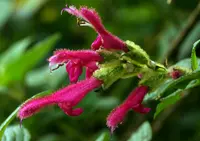
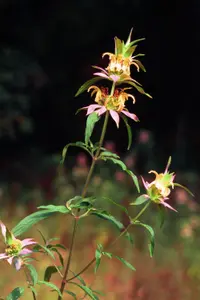
Colombian hummingbird sage (Salvia tortuosa) is a shrubby perennial salvia valued for its vivid tubular flowers that attract hummingbirds and other pollinators. It typically forms a loose, upright clump with branching stems and aromatic foliage.
This species is native to highland regions of Colombia, where it grows in bright, cool mountain conditions with regular moisture. In gardens it is usually grown as an ornamental for its long blooming season and wildlife interest.
Gardeners consider it moderately easy to grow when given sun, well-drained soil, and protection from severe frost. Understanding how to care for Colombian Hummingbird Sage mainly involves matching its preference for bright light, even moisture, and airy conditions.

Care Difficulty
Moderate Care

Light Preference
Full Sun

Water Requirements
Moderate Water

Temperature Preference
Warm Climate

Hardiness Zone
9–11

Soil Texture
Sandy, Loamy, Rocky

Soil pH
Acidic (5.5–6.5), Slightly acidic (6.5–7.0)

Soil Drainage
Well-drained

Fertilization
Minimal (feed rarely)
Scan your plant to receive care tips personalized for your specific plant
Available on iOS and Android
This species prefers bright, long-duration light with some protection from harsh afternoon sun.
This shrub prefers moderate, well-timed watering in free-draining soil.
This species grows best in mild, frost-free conditions with moderate summer heat.
This species prefers moderate ambient humidity but generally tolerates typical indoor levels.
Salvia tortuosa grows best in a loose, well-aerated, sharply draining mix.
This species is well suited to container growing outdoors in sunny, sheltered spots.
Salvia tortuosa grows well in lean soil but benefits from light feeding in active growth.
Salvia tortuosa responds well to thoughtful pruning that maintains shape and flowering.
This species is more often grown in-ground, so focus on careful transplanting when relocating plants.
Salvia tortuosa is commonly propagated from semi-ripe cuttings and seeds.
This salvia has moderate frost tolerance but benefits from simple winter precautions in colder regions.

Plant Health Check
Not sure what's wrong with your plant? Check your plant's health inside the app.
This species is naturally restricted to high-elevation Andean cloud forests in Colombia and Ecuador, where it grows in cool, humid, and often foggy conditions on slopes and forest edges.
Its long, curved, reddish flowers are adapted for pollination by hummingbirds, which can easily reach the nectar while transferring pollen between plants.
The name tortuosa refers to the often twisted or winding growth habit of its stems, which can form an irregular, arching shrub in its native habitat.
This species is highly attractive to hummingbirds due to its tubular flowers and nectar production. Bees and some butterflies also visit it regularly, so planting it can noticeably increase pollinator activity in a garden or landscape.
Keep your plants happy and healthy with plant identification, disease detection, and easy care guidance.