Pinch For Bushiness
Pinch out the soft shoot tips when plants are 10–15 cm tall to encourage branching and produce more showy bracts over a longer season.

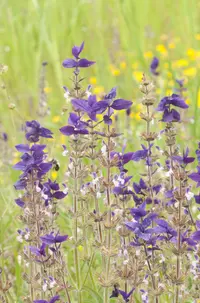
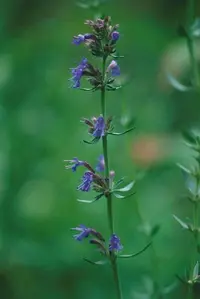
Annual clary (Salvia viridis) is a cool-season annual herb grown mainly for its colorful, papery bracts rather than its small flowers. Plants form upright, branching clumps with square stems and aromatic, slightly sticky leaves typical of the mint family.
It is native to Mediterranean regions, where it thrives in sunny, dry conditions and relatively poor, well-drained soils. This background makes it generally easy to grow in similar garden settings.
Annual clary adapts well to garden beds, borders, and cut-flower plantings and can self-seed lightly in suitable climates. To care for annual clary, provide full sun, moderate watering, and soil that does not stay wet for long periods.

Care Difficulty
Easy Care

Light Preference
Full Sun

Water Requirements
Moderate Water

Temperature Preference
Warm Climate

Hardiness Zone
5–9

Soil Texture
Sandy, Loamy, Organic-rich

Soil pH
Slightly acidic (6.5–7.0), Neutral (7.0)

Soil Drainage
Well-drained

Fertilization
Minimal (feed rarely)
Scan your plant to receive care tips personalized for your specific plant
Available on iOS and Android
This Mediterranean annual thrives in bright, open conditions with plenty of direct sun.
Salvia viridis prefers evenly moist, well-drained soil and handles short dry spells better than excess water.
This annual performs best in mild, temperate conditions and struggles with hard frost or extreme heat.
This species tolerates a wide humidity range, so indoor air at 30–60% is usually acceptable for annual clary.
Salvia viridis prefers moderately fertile, well-drained, slightly gritty soil that does not stay wet for long.
This species is well-suited to container growing outdoors in sunny spots.
Salvia viridis benefits from light, steady feeding during the active growing season for best bract color and flowering.
Pruning supports compact growth and prolonged flowering in Salvia viridis.
As an annual usually grown in beds, Salvia viridis is more often transplanted outdoors than repotted long term in containers.
Propagation of Salvia viridis is most efficient from seed, which germinates reliably in warm conditions.
This species is grown as a warm-season annual, so Salvia viridis usually needs no special winter care once frosts arrive.

Plant Health Check
Not sure what's wrong with your plant? Check your plant's health inside the app.
The showy pink, purple, or white parts of annual clary are not the flowers but enlarged, long-lasting bracts that surround the much smaller, less conspicuous true flowers.
This species is native to dry, open habitats and cultivated fields around the Mediterranean Basin, where it behaves as a hardy, self-seeding annual adapted to hot summers and relatively poor soils.
In parts of southern Europe, the intensely colored bracts have been used historically as a source of natural dye to tint foods and beverages, although this use is mainly traditional and small-scale.

Despite its common name and close relationship to culinary sage, annual clary is primarily grown as an ornamental and cut flower, and modern horticultural literature treats Salvia viridis care very differently from that of true culinary sages used in cooking.
Lack of flowering usually comes from insufficient light, nutrient‑rich soil with too much nitrogen, or plants that are still immature. Ensure full sun, avoid heavy feeding, and allow enough time from sowing to flowering.
Keep your plants happy and healthy with plant identification, disease detection, and easy care guidance.