Brookweed Care (Samolus valerandi)

Also known as: seaside brookweed, Thin Leaf Brookweed, Water Pimpernel, Worldwise
Brookweed

About Brookweed

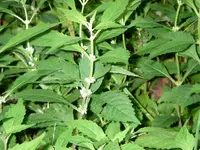
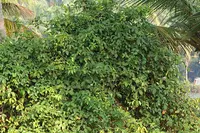
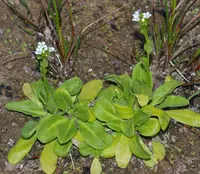
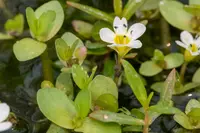
Brookweed (Samolus valerandi) is a small, moisture-loving perennial often found along stream edges, wet meadows, and marshy ground. It forms low, leafy clumps with simple, smooth-edged leaves and delicate white flowers held on slender stems.

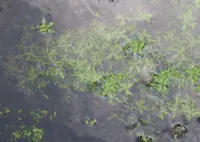
The plant naturally occurs across temperate regions, including parts of Europe, North America, and coastal areas. It prefers consistently damp conditions and does best in shallow water margins or very wet soil.

Growth is generally slow to moderate, and the plant stays compact, which makes it suitable for naturalistic pond edges or bog gardens. Once its moisture needs are met, it is relatively undemanding, so learning how to care for Brookweed mainly involves keeping the root zone from drying out.

Main Plant Requirements

Care Difficulty

Moderate Care

Light Preference

Partial Shade

Water Requirements

Aquatic

Temperature Preference

Cool Climate

Hardiness Zone

5–9

Soil Texture

Loamy, Silty, Organic-rich

Soil pH

Acidic (5.5–6.5), Slightly acidic (6.5–7.0)

Soil Drainage

Waterlogged tolerant

Fertilization

Minimal (feed rarely)

Get Personalized Care Plan

Scan your plant to receive care tips personalized for your specific plant

Available on iOS and Android

How to Care for the Brookweed

This moisture-loving plant prefers bright but gentle light that mimics open stream or pond edges.

  • Provide 3–5 hours of soft morning sun with light shade or dappled light through the afternoon for Brookweed.
  • Tolerates partial shade, but in very deep shade stems may stretch, leaves pale, and flowering is reduced.
  • Avoid harsh midday summer sun, which can scorch leaves; in hot climates, give afternoon shade or use taller plants for filtered light.

This species naturally grows in wetlands and needs consistently moist to saturated conditions.

  • Maintain soil that is always moist; do not allow the top 1–2 cm to dry out, especially during active growth.
  • In cooler months, keep soil damp rather than fully saturated to reduce root rot risk, especially in heavy soils.
  • Watch for underwatering signs like limp, dull leaves and dry margins; overwatering with poor drainage causes yellowing foliage and soft, decaying roots in Samolus valerandi.

This wetland perennial prefers cool to mild conditions and tolerates only limited temperature extremes.

  • Aim for 50–70°F (10–21°C) for steady growth, with best vigor in the cooler part of this range.
  • It usually survives light frosts down to about 25°F (−4°C) if crowns stay wet and insulated, but repeated hard freezes can damage foliage.
  • In summer, growth slows above 80°F (27°C); provide shade and ample moisture, as hot, stagnant conditions can stress plants and invite disease.

This semi-aquatic plant needs consistently high humidity to thrive, especially indoors.

  • Aim for 60–80% humidity; use a hygrometer to ensure levels stay high around Brookweed.
  • Crisp leaf edges, wilting between waterings, and stalled growth indicate air that is too dry.
  • Group plants, place containers on pebble trays with water, or grow near shallow water features to raise local humidity.

This species prefers saturated, fine-textured soil that mimics a stream or pond margin.

  • Use a mix of 60–70% peat or coco coir with 30–40% sand to hold moisture yet prevent anaerobic conditions.
  • Maintain soil that is constantly wet to lightly submerged, with no periods of complete drying.
  • Slightly acidic to neutral pH (6.0–7.0) supports nutrient uptake for Samolus valerandi.
  • Avoid compacted clay or heavily organic, stagnant muck that excludes oxygen from the root zone.

This plant can be grown successfully in containers when moisture is kept consistently high.

  • Choose a wide, relatively shallow pot to accommodate spreading roots and allow even saturation of the substrate.
  • Use a waterproof outer cachepot, tray, or basin so the inner pot can sit in a few cm of water without leaking.
  • Select heavier materials like ceramic when outdoors to keep waterlogged containers stable in wind and rain.

Samolus valerandi is a low-demand feeder that benefits from light nutrition in active growth.

  • Use a balanced liquid fertilizer (such as 10-10-10) at 1/4–1/2 strength for Brookweed in containers.
  • Feed every 4–6 weeks during spring–summer when growth is active.
  • Skip synthetic fertilizer for in-ground plants in rich, organic soil; use a thin layer of compost instead.
  • Stop feeding in fall–winter to avoid soft, weak growth in low light.

Samolus valerandi responds well to light, maintenance pruning to keep growth tidy and healthy.

  • Best time for shaping is late spring to midsummer, after new growth has flushed.
  • Remove dead, yellowing, or damaged leaves and spent flower stalks with clean scissors or snips.
  • Thin crowded stems to improve air flow and reduce fungal issues in damp sites.
  • Light trimming maintains a compact, spreading form without stressing the plant.

Samolus valerandi is more often transplanted in the garden than kept as a long-term container plant.

  • Transplant in early spring or early fall when temperatures are mild and soil is moist.
  • Move clumps when growth is slow, roots circle a pot, or plants outgrow their allotted space.
  • Lift with a wide root ball, keep roots shaded and damp, and replant at the same depth.
  • Water thoroughly after transplanting and maintain even moisture for 1–2 weeks to limit shock.

Samolus valerandi is commonly propagated by division and seeds under consistently moist conditions.

  • Divide mature clumps in early spring, separating rooted sections with a clean knife or spade.
  • Replant divisions into wet, humus-rich soil and keep evenly moist until established.
  • Sow fresh seed on the surface of damp seed mix, as light helps germination.
  • Maintain 60–70°F, high humidity, and gentle bottom watering to support rooting and seedling growth.

Samolus valerandi is fairly cold hardy and often needs minimal winter attention in mild climates.

  • In regions below about 15–20°F, apply a 3–5 cm layer of mulch around the root zone.
  • Leave foliage intact in colder areas, then trim dead growth back in early spring.
  • For container plants in freezing climates, move pots into a cool, frost-free space with light.

Care Tips

Aquatic edge placement

Plant along the shallow edges of ponds or slow streams so roots stay cool and moist while foliage remains above water, which reduces rot and encourages dense mats of growth.

Cool-water irrigation

When grown in containers or trays, top up with cool, low-salinity water rather than overhead splashing, letting water rise from the base to keep foliage drier and limit fungal problems.

Flow and oxygenation

Provide gentle water movement with a small pump or air stone in pond or trough plantings to improve oxygen levels around the roots and reduce anaerobic conditions that can cause root decline.

Nutrient leaching control

If planted in baskets submerged in water, refresh the surrounding water regularly and avoid overstocking fish so excess nutrients do not trigger algal blooms that shade and weaken the plants.

Seasonal thinning

In late spring or after flowering, lift and thin congested patches by removing older, woody portions and replanting fresh outer sections to keep colonies vigorous when growing Brookweed in wet margins.

Common Pests and Diseases

Aphids

This pest often colonizes tender shoot tips and flower stalks, sucking sap and causing distortion, yellowing, and sticky honeydew on leaves. Symptoms include curling foliage and reduced vigor, especially in soft, submerged or marginal growth.

Solution

Rinse colonies off with a strong but controlled stream of water, including the underside of leaves and young stems. In persistent cases, use insecticidal soap or a neem oil spray labeled for aquatic or marginal plants, and reduce excess nitrogen fertilization that encourages very soft growth.

Spider mites

These insects become a problem when brookweed is grown in drier, non-flooded conditions, leading to fine webbing, tiny pale stippling on leaves, and general leaf dullness. Symptoms include slowed growth and premature leaf drop in warm, dry environments.

Solution

Increase humidity around the plant, regularly hose down foliage, and isolate stressed plants from heat sources. For heavier infestations, apply insecticidal soap or a horticultural oil to both leaf surfaces, repeating at 5–7 day intervals until new growth appears clean.

Powdery mildew

This disease can appear on brookweed in still, humid air, forming white, powdery patches on upper leaf surfaces and stems. Symptoms include distorted new growth and reduced photosynthesis, which weakens the plant over time.

Solution

Improve air movement, avoid crowding, and water at the base rather than over the foliage. Remove heavily affected leaves and, if needed, apply a suitable fungicide labeled for ornamental plants, rotating products if outbreaks recur.

Leaf spot

This disease shows as small, water-soaked lesions that turn brown or black on leaves, sometimes with a yellow halo, especially in dense, wet plantings. Symptoms include thinning foliage and gradual dieback of the most affected shoots.

Solution

Remove and discard affected leaves and any plant debris around the crown to limit spore spread. Reduce overhead watering and splashing, ensure good spacing, and use a broad-spectrum fungicide suitable for ornamental or marginal plants if new spots continue to form.

Interesting Facts

Amphibious growth habit

This species naturally grows at the edges of freshwater and brackish habitats and can root in both shallow water and seasonally exposed mud, showing strong tolerance to fluctuating water levels and brief submersion.

Wide but patchy range

It occurs across much of Europe, parts of North Africa, western Asia, and North America, but is usually found only where constant moisture and mild conditions create small, suitable microhabitats.

Indicator of wet habitats

Botanists often use this plant as an indicator of stable, unpolluted wetland or streamside conditions, since it prefers clean, cool water and can decline when hydrology or water quality is altered.

Botan icon

Did you know?

Genetic and morphological studies indicate that populations once split into several species or subspecies are now usually treated as a single, highly variable species, which has led to multiple historical synonyms and shifting taxonomy in floras and checklists.

FAQs about Brookweed

This species spreads slowly by short creeping stems and self-seeding in consistently moist ground. It usually forms small patches rather than taking over large areas, but in ideal wet conditions it can gradually expand and fill gaps.

Grow Healthy Plants with Botan Care

Keep your plants happy and healthy with plant identification, disease detection, and easy care guidance.

Botan plant care app — identify plants on mobile

Explore More Plants