seaside schistidium moss Care (Schistidium maritimum)

Also known as: Seaside Grimmia
seaside schistidium moss

About seaside schistidium moss

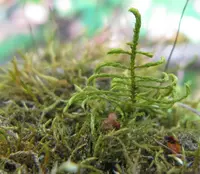
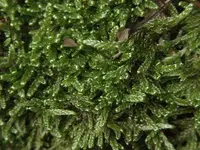
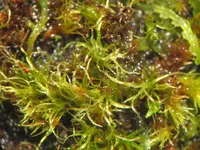
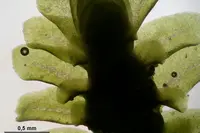
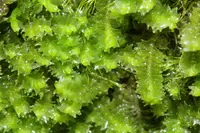
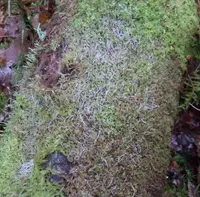
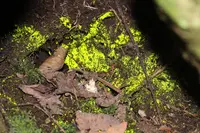
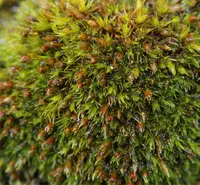
Seaside schistidium moss (Schistidium maritimum) is a compact, cushion-forming moss that clings tightly to rock surfaces. It forms dense, low mats with small, overlapping leaves that give it a rough, textured look.

This species is native to coastal cliffs, rocky shores, and sea walls in cool temperate regions, where it tolerates salt spray, wind, and periodic drying. Its tough, slow-growing habit makes it resilient but slightly demanding in cultivation, since it prefers stable moisture, clean air, and a firm, mineral-rich surface.

Those conditions guide how to care for seaside schistidium moss, especially when trying to grow it away from its natural rocky, maritime habitat.

Main Plant Requirements

Care Difficulty

Moderate Care

Light Preference

Full Sun

Water Requirements

Moderate Water

Temperature Preference

Cold Hardy

Hardiness Zone

4–9

Soil Texture

Sandy, Rocky, Loamy

Soil pH

Slightly acidic (6.5–7.0), Neutral (7.0)

Soil Drainage

Well-drained

Fertilization

Minimal (feed rarely)

Get Personalized Care Plan

Scan your plant to receive care tips personalized for your specific plant

Available on iOS and Android

How to Care for the seaside schistidium moss

This coastal moss prefers bright but gentle light conditions that mimic open shorelines.

  • Provide 4–6 hours of bright, indirect light or soft morning sun; avoid harsh, full afternoon sun that can dry and bleach seaside schistidium moss.
  • Tolerates light shade for part of the day, but dense shade over many weeks leads to thin, weak growth and dull color.
  • In summer, protect from reflected heat and intense sun on rocks; in winter, ensure at least a few hours of unobstructed daylight for steady photosynthesis.

This moss prefers steady surface moisture but suffers if kept waterlogged for long periods.

  • Outdoors on rocks or coastal substrates, allow the surface to just start drying before the next thorough wetting; frequent light misting works better than deep soaking.
  • During cool, damp seasons, natural rainfall often suffices for Schistidium maritimum; in dry or windy weather, increase misting or gentle watering when the moss feels crisp or curls slightly.
  • Reduce watering if patches stay dark, slimy, or smell sour, which indicates poor drainage and overwatering; increase if cushions feel brittle and remain pale after rewetting.

This species is naturally adapted to cool, maritime climates with moderate seasonal swings.

  • Best active growth occurs around 45–65°F (7–18°C), especially in moist, overcast conditions typical of coastal zones.
  • Tolerates cold down to at least 10–15°F (-12– -9°C) once acclimated, surviving light to moderate frost on rocks and walls without protection.
  • Handles brief heat up to about 80–85°F (27–29°C) if humidity and moisture remain high; prolonged hotter, dry periods require shading and more frequent misting to prevent desiccation.

This coastal moss handles a wide humidity range but prefers moderately moist air.

  • Aim for 50–70% humidity, avoiding very dry, heated indoor air for long periods.
  • It tolerates short dry spells, but fronds may crisp, pale, or shrink when air stays too dry.
  • Increase humidity with nearby trays of wet gravel or by clustering other moist-loving plants around seaside schistidium moss.

This species prefers firm, mineral-based, sharply draining substrates that mimic rocky shorelines.

  • Use a gritty mix such as 60–70% coarse sand or fine gravel with 30–40% crushed lava rock or pumice.
  • Ensure extremely fast drainage; water should run through immediately with no pooling or lingering surface moisture.
  • Keep pH slightly acidic to neutral (pH 6.0–7.0) using inert mineral components instead of rich composts.
  • Avoid peat-heavy, loamy, or compact mixes, which hold too much water and reduce aeration around the rhizoids.

This moss can be grown in shallow containers that simulate rocky, fast-draining coastal conditions.

  • Choose a wide, shallow tray or dish to allow dense mat formation while keeping the substrate thin and quick-drying.
  • Line the base with a layer of coarse gravel to prevent fine particles from clogging the drainage holes.
  • Use heavy ceramic or stone containers outdoors to keep low, creeping growth stable in wind and rain.

This coastal moss is adapted to low-nutrient conditions and usually needs no additional fertilizer in outdoor rock or crevice plantings.

Pruning needs for Schistidium maritimum are minimal and mostly cosmetic.

  • Check moss pads in late winter or early spring when growth resumes.
  • Gently pinch or trim away dead, discolored, or loosened patches to maintain a tidy mat.
  • Remove debris such as leaves or twigs by hand or with soft tweezers to prevent smothering.
  • Avoid aggressive cutting; light surface grooming preserves natural form and spread.

Transplanting is rarely needed, as this moss is typically grown on rocks, walls, or compact, gritty substrates.

  • Consider transplanting only when mats detach, the substrate erodes, or growth declines noticeably.
  • Best timing is in cool, moist seasons, typically early spring or fall, to limit drying stress.
  • Gently lift small tufts with attached substrate, then press onto a new, rough, damp surface.
  • Mist lightly and keep shaded and evenly moist for several weeks so rhizoids can anchor with minimal shock.

Propagation of Schistidium maritimum is most practical by division of existing cushions rather than spores.

  • In early spring or fall, break mats into small sections, each with healthy green growth and some attached substrate.
  • Place divisions firmly onto rough stone, concrete, or gritty mix that stays moist but not waterlogged.
  • Provide bright, indirect light, high humidity, and frequent misting to support new anchoring structures.
  • Spore propagation is possible but slow and less predictable for home growers.

This moss is naturally cold hardy and usually requires no special winter care in temperate climates, even with frost and snow.

  • Outdoor clumps on rocks or walls can remain in place year-round without mulching.
  • For containers, ensure drainage holes stay open so winter rain does not cause waterlogging.
  • In very exposed, windy sites, a windbreak or overhead shelter can reduce desiccation during freeze–thaw cycles.

Care Tips

Rinse With Seawater

If collected from or grown near the coast, an occasional brief rinse with clean seawater or a weak marine-salt solution can maintain the salt tolerance balance this moss is adapted to, followed by a fresh water mist to prevent crusting on nearby hardscape.

Use Mineral-Rich Substrate

Attach the moss to stable, slightly rough mineral surfaces such as granite, basalt, or concrete with minimal organic matter, since too much soil or compost encourages algae and competing mosses that can overgrow it.

Control Competing Growth

Periodically remove filamentous algae, liverworts, and faster-spreading mosses with fine tweezers or a soft brush so the cushions stay dense and the original colony is not smothered.

Mimic Tidal Splash

For seaside schistidium moss indoor care, simulate natural splash by giving short, intermittent misting sessions rather than prolonged soaking, which maintains hydration without disrupting the compact cushion structure.

Seasonal Moisture Pause

In cooler months, especially outdoors, slightly reduce watering frequency and allow longer dry intervals so the moss can follow its natural growth-rest cycles and avoid chronic moisture stress.

Common Pests and Diseases

Salt-tolerant algal film

This disease appears as a thin, often greenish to black film over the moss cushions, especially in frequently splashed intertidal zones. Symptoms include dull, slimy patches that obscure the natural texture of the moss and can slow its growth.

Solution

Reduce continuous waterlogging and improve water movement so surfaces dry briefly between soakings, for example by slightly tilting containers or using a more freely draining substrate. Gently rinse with non-chlorinated water and lightly brush with a soft brush under running water to remove the film, repeating as needed rather than trying to strip it all at once.

Marine cyanobacterial crust

This disease forms as dark blue-green to almost black, slightly shiny crusts in wet, nutrient-rich, brackish or marine conditions, binding the moss surface into a stiff layer. Symptoms include reduced new shoot formation and a hardened, sometimes patchy surface that no longer looks fibrous.

Solution

Lower dissolved nutrients by refreshing the water source more frequently and avoiding any fertilizer splash on the moss. Carefully peel or gently brush off the thickest crusts when saturated, then maintain stronger water movement and brighter, indirect light to discourage recolonization.

Intertidal fungal blight

This disease occurs when cushions stay saturated without the usual tidal flushing, leading to localized brown or blackened patches that feel soft or waterlogged. Symptoms include a musty odor and progressive collapse of affected tufts while adjacent areas may remain green.

Solution

Improve drainage and airflow by thinning overly dense mats, lifting small sections onto slightly more elevated or better-draining rock or substrate, and avoiding stagnant water. Remove and discard clearly rotted or moldy patches, then allow regular wet–dry cycles to resume, which naturally suppresses many opportunistic fungi and supports healthy growing seaside schistidium moss.

Littorinid grazing

These mollusks, such as small periwinkle snails in the higher intertidal zone, rasp the moss surface, causing uneven thinning and small eaten-out patches on exposed cushions. Symptoms include irregular bare spots on rock where moss tissue has been scraped away, often near tide lines with abundant snail activity.

Solution

In managed or display settings, reduce grazing by gently relocating snails to other nearby hard surfaces or by using physical barriers such as mesh screens during peak grazing periods. Maintaining slightly higher, periodically flushed but less continuously submerged positions can also limit intense grazing pressure while still providing adequate moisture.

Intertidal isopod feeding

These crustaceans hide in crevices and feed on delicate new moss growth, especially in shaded, humid pockets that stay damp between tides. Symptoms include clipped or shredded new tips and small, irregular cavities within cushions where isopods shelter and graze.

Solution

Regularly inspect crevices and manually remove isopods from cultivated patches, especially under loose stones or shell fragments. Create fewer deep, moist hiding spots by simplifying hardscape gaps, and maintain a moderate but not constantly saturated moisture regime so the moss remains hydrated while being less attractive as long-term shelter.

Interesting Facts

Wave‑exposed specialist

This moss is naturally restricted to maritime rock faces and boulders that are regularly sprayed by seawater, forming dense cushions directly in the salt-splash zone along cold and cool-temperate coasts.

Remarkable salt tolerance

Unlike most mosses, it is able to tolerate regular exposure to saline spray and periodic drying, which allows it to dominate rock crevices where freshwater mosses cannot survive.

Indicator of sea influence

Its presence on coastal rocks often indicates areas of frequent marine aerosol and tidal influence, so bryologists use it as a field clue to map the reach of harsh maritime conditions.

Botan icon

Did you know?

This species often forms tight, dark, cushion-like colonies that help trap moisture and protect the tiny leaf cells from mechanical damage caused by wind-blown salt crystals on exposed shorelines.

FAQs about seaside schistidium moss

Growth is slow to moderate. In suitable conditions it usually extends only a few millimeters per year, forming tight cushions over rock. It focuses on dense, compact coverage rather than noticeable vertical or horizontal expansion.

Grow Healthy Plants with Botan Care

Keep your plants happy and healthy with plant identification, disease detection, and easy care guidance.

Botan plant care app — identify plants on mobile

Explore More Plants