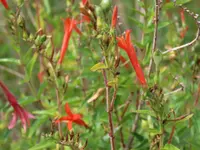
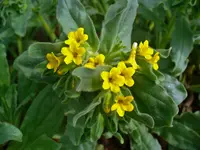
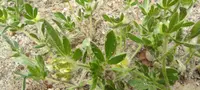
showy skullcap Care (Scutellaria serrata)

showy skullcap

About showy skullcap

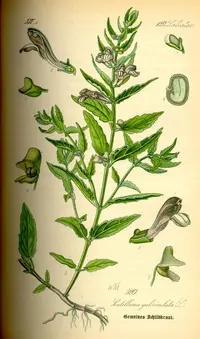
Showy skullcap, Scutellaria serrata, is a compact perennial wildflower in the mint family, valued for its upright spikes of bright blue to violet tubular blooms. Plants form clumps of leafy stems and typically flower in late spring to early summer, attracting bees and other small pollinators.

This species is native to eastern North America, where it grows in open woodlands, meadows, and lightly shaded slopes with consistent moisture. It is generally considered moderately easy to grow, as long as it receives adequate light, well-drained but evenly moist soil, and protection from extreme drought. Gardeners who learn how to care for showy skullcap often appreciate its reliable bloom and tidy habit in naturalistic beds or border edges.

Main Plant Requirements

Care Difficulty

Moderate Care

Light Preference

Partial Shade

Water Requirements

Regular Water

Temperature Preference

Cold Hardy

Hardiness Zone

4–8

Soil Texture

Loamy, Silty, Organic-rich

Soil pH

Acidic (5.5–6.5), Slightly acidic (6.5–7.0)

Soil Drainage

Moist but well-drained

Fertilization

Minimal (feed rarely)

Get Personalized Care Plan

Scan your plant to receive care tips personalized for your specific plant

Available on iOS and Android

How to Care for the showy skullcap

This species prefers bright outdoor conditions with some protection from intense midday sun.

  • Provide 4–6 hours of direct morning sun with light afternoon shade, or bright filtered light under open-canopy trees.
  • Allow tolerance for partial shade, but flowering of showy skullcap declines in sites with less than 3–4 hours of direct sun per day.
  • In hot summers, reduce harsh west-facing exposure to prevent leaf scorch, and ensure winter sites still receive low-angle sun to support strong spring growth.

This plant prefers evenly moist but not saturated soil during its main growing season.

  • Water when the top 3–5 cm of soil feels dry, then soak the root zone thoroughly so moisture reaches 15–20 cm deep.
  • Use well-drained, loamy soil; persistent wet spots, standing water, or a sour smell around roots indicate excess moisture and risk of rot in Scutellaria serrata.
  • In spring and early summer, increase watering during dry spells; in cool autumn periods, reduce frequency and watch for wilting, crisp edges, or drooping stems as signs of underwatering.

This temperate perennial handles a range of outdoor temperatures but performs best in moderate conditions.

  • Optimal growth occurs around 65–80°F (18–27°C), supporting steady foliage development and reliable flowering.
  • Established plants tolerate winter lows near 0°F (−18°C) in the ground with mulch protection, but young plants benefit from shielding from sudden hard frosts.
  • In hot regions, short periods up to about 90–95°F (32–35°C) are tolerated if soil moisture is maintained and the site offers some afternoon shade to reduce heat stress.

Humidity plays a minor role for this hardy perennial, which adapts well to typical outdoor ranges.

  • Target 40–60% humidity; showy skullcap usually handles brief dips lower without injury.
  • Leaves that brown at tips or curl while soil is evenly moist can indicate air that is too dry or hot wind exposure.
  • If grown in a very dry, exposed site, group plants or add a light mulch layer to reduce rapid moisture loss around foliage.

Soil should be moderately fertile, well-drained, and never stagnant around the roots.

  • Use a loamy or sandy-loam structure with 20–30% compost mixed into native soil to support steady growth.
  • Ensure free drainage; on heavy clay sites, raise the planting area and blend in coarse sand or fine gravel for better percolation.
  • Aim for slightly acidic to neutral pH around 6.0–7.0, which suits Scutellaria serrata in most garden settings.
  • Avoid waterlogged, compacted, or peat-only substrates that exclude air, since this species is prone to root decline in saturated conditions.

This species can be grown in containers outdoors if the potting setup prevents waterlogging and overheating.

  • Choose a pot at least 20–25 cm deep to let the root system anchor well and buffer against rapid drying.
  • Select a thicker-walled clay or ceramic container in hot climates to keep the root zone cooler than thin plastic pots.
  • Elevate the container slightly on feet or bricks so drainage holes stay clear and excess water can exit quickly after rain or watering.

This native perennial needs only light feeding, especially when growing showy skullcap in average to lean garden soil.

  • Use a balanced, slow-release fertilizer (for example 10-10-10) or a thin layer of compost in early spring.
  • Apply once at the start of the growing season; a second light application in midsummer is enough in poor soils.
  • Dilute liquid feeds to 1/2 strength to avoid soft, floppy growth and reduced flowering.
  • Stop fertilizing in late summer so growth can harden before winter dormancy.

Pruning Scutellaria serrata is simple and mainly supports neat shape and strong flowering.

  • Cut back spent flower stems in late spring to early summer to encourage a denser mound and possible rebloom.
  • Remove dead, damaged, or weak stems at the base using clean, sharp scissors or hand pruners.
  • Lightly shear or hand-trim straggly growth after flowering to maintain compact form.
  • Leave some stems over winter, then tidy any winter dieback in early spring.

Scutellaria serrata is most often grown in the ground and only needs transplanting when crowded or poorly placed.

  • Look for signs such as clumps expanding into neighbors, bare centers, or reduced flowering to time division.
  • Transplant or divide in early spring or early fall when temperatures are mild and soil is evenly moist.
  • Plan on lifting and dividing every 3–4 years to refresh vigor and manage spread.
  • Dig widely around the clump, keep roots shaded and moist, then replant promptly at the same depth and water thoroughly.

This species is commonly propagated to expand plantings or share divisions.

  • Divide mature clumps in early spring, separating sections with several shoots and healthy roots.
  • Take softwood cuttings in late spring, then root in a sterile, moist, well-drained mix under bright, indirect light.
  • Sow seeds in fall or early spring, outdoors or after a short cold stratification period in the fridge.
  • Maintain even moisture and good air circulation to reduce rot while new roots or seedlings establish.

This perennial is generally cold hardy in much of the US and needs only modest winter care in the ground.

  • Tolerates typical frost in its hardiness range but benefits from a 5–7 cm mulch layer after soil cools.
  • Use leaf mold, compost, or bark mulch to insulate the root zone, keeping mulch off the crowns.
  • For container plants in colder zones, move pots into a sheltered, unheated but frost-free area for winter.

Care Tips

Mulch for Cool Roots

Apply a 3–5 cm layer of shredded bark or leaf mold around, but not touching, the crowns to keep roots cool, conserve moisture, and reduce weed competition that can stress plants.

Light Division Renewal

Divide clumps every 3–4 years in early spring, keeping divisions with at least 3–5 shoots each, to maintain vigorous growth and prevent congestion that reduces flowering.

Calibrated Deadheading

Remove spent flower spikes down to the first set of healthy leaves to encourage a tidier mound and a modest flush of repeat bloom without cutting the plant back hard.

Site Airflow Planning

Space plants so mature clumps barely touch (about 25–30 cm apart) to improve air circulation, which helps limit foliar diseases and reduces the need for fungicide interventions when growing showy skullcap.

Targeted Pest Scouting

Inspect underside of leaves and tender shoot tips weekly from late spring for aphids or leaf-chewing caterpillars, and hand-squash or rinse off small infestations before they spread through the planting.

Common Pests and Diseases

Powdery mildew

This disease produces white, powdery patches on leaves and stems, often during warm days and cool, humid nights. Symptoms include distorted growth and premature leaf drop if infection is heavy.

Solution

Remove and discard affected leaves, thin or divide overcrowded clumps to improve air movement, and avoid overhead watering in the evening. If needed, apply a sulfur or potassium bicarbonate fungicide labeled for ornamentals at the first sign of infection and repeat as directed to protect new growth.

Leaf spot

This disease causes small brown, tan, or purplish spots on leaves that may enlarge and merge under prolonged moisture. Symptoms include yellowing and early shedding of heavily spotted foliage, especially in dense plantings.

Solution

Prune and discard heavily spotted leaves and any dense stems to improve airflow, and water at soil level rather than onto the foliage. In beds with recurring problems, use a copper-based or chlorothalonil fungicide in spring during wet periods, and rotate plantings or increase spacing to reduce humidity around plants.

Aphids

These insects cluster on young stems and leaf undersides, sucking sap and causing curling, yellowing, and stunted shoots. This pest also excretes sticky honeydew that can attract sooty mold on nearby surfaces.

Solution

Spray plants with a strong stream of water to dislodge colonies, and pinch off heavily infested shoot tips. For persistent populations, apply insecticidal soap or a ready-to-use horticultural oil, coating leaf undersides and repeating every 5–7 days until new growth appears clean as part of basic Scutellaria serrata care.

Spider mites

These pests are tiny sap-feeding arachnids that thrive in hot, dry weather, causing stippled, dull leaves and fine webbing between stems and foliage. Symptoms include bronzing and gradual drying of leaves, especially in full-sun, drought-stressed clumps.

Solution

Rinse foliage thoroughly with water, focusing on leaf undersides, and repeat several times per week to knock down populations and raise local humidity. If damage continues, use horticultural oil or insecticidal soap labeled for mites, applying in the early morning or late afternoon to avoid leaf burn and ensuring good coverage.

Rust

This disease produces small orange, brown, or rust-colored pustules on the undersides of leaves, sometimes with pale or yellow spots on the upper surface. Symptoms include gradual leaf yellowing and drop, which can thin the plant and reduce flowering over time.

Solution

Remove and discard infected leaves as soon as they are noticed, and avoid overhead watering that keeps foliage wet for long periods. In beds with repeated rust issues, increase spacing, improve airflow, and protect new growth with a labeled rust-control fungicide applied at the first appearance of pustules.

Interesting Facts

Ozark woodland specialist

This species is naturally restricted to the Ozark Plateau of Missouri and Arkansas, where it grows in open deciduous woods, wooded slopes, and glades rather than in wetlands like many other skullcaps.

Showy two-tone flowers

The flowers are unusually large for a skullcap and have a strong color contrast, with white or pale lower lips and violet to purple upper lips that help guide bee pollinators into the corolla tube.

Basal rosette strategy

Plants form a low basal rosette of leaves that persists after flowering, allowing them to capture light in spring under partially open tree canopies and store energy before summer shade increases.

Botan icon

Did you know?

Showy skullcap is considered of conservation concern in parts of its limited range, and in several Midwestern states it is tracked or listed as rare because its specialized Ozark woodland habitat has declined and become fragmented.

FAQs about showy skullcap

This species strongly attracts native bees and small butterflies, which visit its tubular flowers for nectar. Planting it in clusters increases visibility to pollinators and supports local ecosystems, especially when combined with other nectar-rich, pesticide-free perennials.

Grow Healthy Plants with Botan Care

Keep your plants happy and healthy with plant identification, disease detection, and easy care guidance.

Botan plant care app — identify plants on mobile

Explore More Plants