Use Gravel Mulch
Apply a 0.5–1 in layer of coarse grit or small gravel around the crowns to keep stems dry at the base, prevent soil splash, and mimic the plant’s natural alpine conditions.

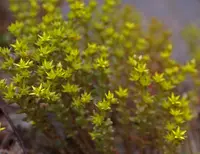
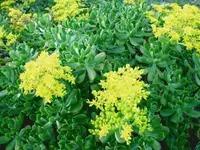
Annual stonecrop (Sedum annuum) is a small, short-lived succulent that forms low cushions or mats. It has fleshy leaves and tiny star-shaped yellow flowers. This species is native to rocky, often mountainous regions of Europe and parts of northern Asia, where it grows in thin, well-drained soils. Its compact size and drought tolerance make it suitable for rock gardens, gravel areas, and container displays. The plant prefers full sun, dry conditions, and sandy or gritty soil with good drainage. These traits generally make it undemanding, as long as overwatering is avoided and you understand how to care for annual stonecrop in poor, fast-draining substrates.

Care Difficulty
Easy Care

Light Preference
Full Sun

Water Requirements
Low Water

Temperature Preference
Cold Hardy

Hardiness Zone
3–7

Soil Texture
Sandy, Loamy, Rocky

Soil pH
Slightly acidic (6.5–7.0), Neutral (7.0)

Soil Drainage
Well-drained

Fertilization
Minimal (feed rarely)
Scan your plant to receive care tips personalized for your specific plant
Available on iOS and Android
This alpine sedum thrives in bright, open sites that mimic sunny, rocky slopes.
Sedum annuum prefers infrequent, deep watering and fast-drying soil.
This species is adapted to cool, exposed habitats but still benefits from moderate, stable temperatures during active growth.
Humidity rarely limits Sedum annuum, which thrives in dry conditions around 30–50% without special measures.
Sedum annuum prefers mineral, sharply drained soil that dries quickly between waterings.
This species is well suited to container growing, especially in shallow, fast-draining pots.
Sedum annuum grows well in lean soils and needs only light feeding in cultivation.
Sedum annuum benefits from modest pruning to keep plants compact and tidy.
This annual stonecrop is usually grown in the ground or shallow trays and needs minimal repotting.
Sedum annuum is commonly propagated from both seed and short stem cuttings.
Sedum annuum is cold hardy as an annual and usually needs no special winter care once seeds are set.

Plant Health Check
Not sure what's wrong with your plant? Check your plant's health inside the app.
This species naturally occurs in high-latitude, high-altitude habitats in northern Europe and parts of Arctic regions, where it grows in thin, stony soils and exposed rock ledges.
Unlike many long-lived sedums, this plant is typically annual, completing its life cycle within one growing season while storing water in its small, fleshy leaves to survive brief droughts in harsh mountain environments.
In its native range it tends to flower during the short summer season, taking advantage of continuous daylight in high-latitude areas to complete growth, flowering, and seed set quickly.
Lack of flowers is often due to insufficient light, overly rich or wet soil, or excess nitrogen fertilizer. Provide strong sun, well-drained conditions, and avoid high-nitrogen feeds to support bud formation and consistent blooming.
Keep your plants happy and healthy with plant identification, disease detection, and easy care guidance.