Encourage Compact Growth
Rotate the pot or tray by 90° every 1–2 weeks so the rosettes receive even light exposure and develop a compact, symmetrical mat instead of leaning in one direction.

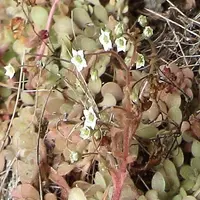
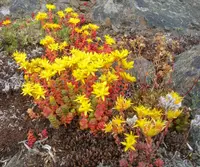
Sedum fragrans is a compact, succulent perennial in the stonecrop group, forming low, spreading mats of fleshy leaves. Its foliage often has a neat, geometric look, and it may produce small, star-like flowers.
This species is native to rocky, well-drained habitats, where it tolerates strong light and periods of dryness. Its drought tolerance and modest nutrient needs make it relatively easy to grow in containers, rock gardens, or as a small groundcover.
For those learning how to care for Sedum fragrans, its main demands are good drainage, bright light, and avoidance of persistent wet soil, which can lead to root problems.

Care Difficulty
Easy Care

Light Preference
Full Sun

Water Requirements
Low Water

Temperature Preference
Warm Climate

Hardiness Zone
9–11

Soil Texture
Sandy, Loamy, Rocky

Soil pH
Slightly acidic (6.5–7.0), Neutral (7.0)

Soil Drainage
Well-drained

Fertilization
Minimal (feed rarely)
Scan your plant to receive care tips personalized for your specific plant
Available on iOS and Android
This species prefers bright, direct light but tolerates some shade in hot regions.
This succulent stores moisture in its leaves and needs infrequent, careful watering.
This plant prefers mild, dry conditions and dislikes prolonged hard frost or extreme humidity.
This species handles low humidity well, so moisture in the air is rarely a concern indoors or outdoors.
This succulent prefers sharply drained, mineral-rich soil that dries quickly between waterings.
This species is well suited to container growing, including shallow dishes and rock-garden troughs.
This succulent needs only light feeding, as Sedum fragrans stores nutrients efficiently in its leaves and roots.
Pruning needs are minimal, mainly to keep Sedum fragrans compact and healthy.
This species grows slowly and tolerates slight root crowding, so repot Sedum fragrans only when clearly needed.
Sedum fragrans is commonly propagated vegetatively to maintain identical plants with minimal effort.
This succulent is moderately cold tolerant but benefits from simple winter care in colder climates.

Plant Health Check
Not sure what's wrong with your plant? Check your plant's health inside the app.
This species is notable in its genus for producing strongly scented white to pinkish flowers, often in the cooler months when many succulents are not in bloom.
It grows as tight rosettes on short, creeping stems that gradually form low mats, an adaptation that helps protect its shallow roots and conserve moisture in exposed sites.
Unlike many heat-loving succulents, it is naturally adapted to cooler conditions and can tolerate light frost, which reflects its origin in higher-elevation, temperate habitats.
Yellowing leaves usually result from chronic overwatering, poor drainage, or prolonged low light. Check that the potting mix dries between waterings, the container drains freely, and the plant receives enough brightness. Remove badly damaged leaves to reduce rot risk.
Keep your plants happy and healthy with plant identification, disease detection, and easy care guidance.