Sedum pedicellatum Care

Sedum pedicellatum

About Sedum pedicellatum

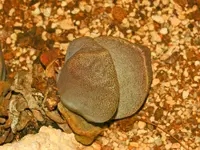
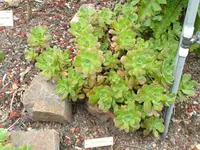
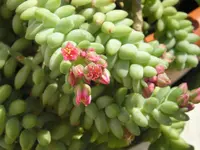
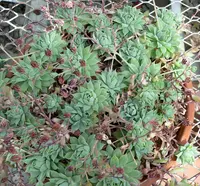
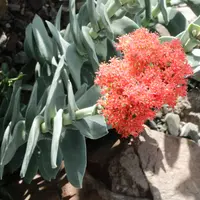
Sedum pedicellatum is a small, mat-forming succulent from rocky, often mountainous habitats, where it grows in thin, well-drained soils. It forms low cushions of fleshy, rounded leaves that store water, often with a soft green color that may flush slightly under strong light.

In suitable conditions, it produces clusters of small star-shaped flowers held above the foliage, giving the plant a delicate but tidy appearance. Its compact growth habit makes it suitable for pots, rock gardens, and troughs.

This species is generally considered easy to grow, provided it receives bright light, minimal excess moisture, and sharply draining soil. For those learning how to care for Sedum pedicellatum, its drought tolerance and modest size make it a forgiving choice.

Main Plant Requirements

Care Difficulty

Easy Care

Light Preference

Full Sun

Water Requirements

Low Water

Temperature Preference

Warm Climate

Hardiness Zone

9–11

Soil Texture

Sandy, Loamy, Rocky

Soil pH

Slightly acidic (6.5–7.0), Neutral (7.0)

Soil Drainage

Well-drained

Fertilization

Minimal (feed rarely)

Get Personalized Care Plan

Scan your plant to receive care tips personalized for your specific plant

Available on iOS and Android

How to Care for the Sedum pedicellatum

This sun-loving succulent needs strong light to stay compact and well colored.

  • Provide 6–8 hours of sun daily, with at least 3–4 hours of direct morning sun; light afternoon shade helps prevent leaf scorch in very hot climates.
  • Sedum pedicellatum tolerates light partial shade (around 4 hours of direct or filtered sun) but may stretch, lose dense form, and show duller foliage.
  • In summer, protect from intense midafternoon sun in zones with hot, dry winds; in winter, avoid deep shade from buildings or taller plants that block low-angle sun.

This plant stores water in its leaves and prefers a thorough soak followed by a dry period.

  • Water only when the top 3–5 cm (1–2 in) of soil are completely dry; in most outdoor beds this means longer gaps between waterings, especially after rain.
  • Use sharply draining, gritty soil or a rock garden bed so water runs through within seconds and roots never sit in soggy conditions that cause rot.
  • Reduce watering in cool seasons when growth slows, and watch for yellow, mushy leaves as a sign of overwatering or shriveled, wrinkled foliage as a sign it is too dry.

This species prefers mild, dry conditions and dislikes prolonged frost or extreme humidity.

  • Aim for an active growth range around 60–80°F (16–27°C), which supports steady growth without stressing the succulent leaves.
  • Protect from hard frost; short dips to about 25–28°F (-4 to -2°C) may be survived if soil is very dry, but repeated freezes can damage Sedum pedicellatum.
  • In summer, it tolerates brief heat up to 90–95°F (32–35°C) if soil drains fast and there is some afternoon shade, but growth slows in very hot, humid weather.

This species thrives in dry air and does not need added humidity.

  • Target 30–50% humidity, typical of most heated or air-conditioned homes.
  • Dry indoor air is tolerated; humidity stress appears mainly as rot from excess moisture rather than leaf shriveling.
  • Avoid humidifiers, pebble trays, or clustering plants closely, which can trap moisture around foliage and roots.

Sedum pedicellatum needs a sharply draining, mineral-rich substrate that prevents waterlogging.

  • Use a gritty mix such as 50–60% cactus potting mix blended with coarse sand, fine gravel, or perlite for strong aeration.
  • Aim for a slightly acidic to neutral pH around 6.0–7.0, which supports nutrient uptake without stressing roots.
  • Ensure water drains through in seconds, not minutes; standing water or heavy, soggy textures quickly cause root rot.
  • Avoid dense clay, peat-heavy, or unamended garden soil; always lighten these with mineral aggregates before use.

This species is well suited to container growing, including shallow dishes or bowls for its mat-forming habit.

  • Select a shallow but wide pot that allows lateral spread while keeping the root zone relatively dry and airy.
  • Choose unglazed terracotta if possible, as its porous walls help evaporate excess moisture from the root zone.
  • Raise the pot on feet or pot risers so drainage holes clear the surface and excess water escapes rapidly after watering.

This drought-tolerant succulent needs only modest feeding to stay healthy in typical home conditions.

  • Use a balanced liquid fertilizer (around 10-10-10 or 20-20-20) diluted to 25–50% strength for Sedum pedicellatum during active spring–summer growth.
  • Apply every 4–6 weeks if growth is in poor, inert, or very sandy substrates; skip feeding in fertile garden soil.
  • Stop feeding in fall and winter to avoid soft, weak growth during dormancy or low light.
  • Choose compost or a slow-release, low-dose granular product for outdoor plantings, lightly applied around but not touching stems.

This plant needs only light pruning to keep its mat compact and healthy.

  • Carry out main pruning in late winter or early spring before strong new growth starts.
  • Snip off dead, damaged, or overly leggy stems to encourage denser, ground-hugging growth and better flowering.
  • Thin crowded patches with clean scissors or snips, removing whole stems at the base to improve air flow.
  • After flowering, shear back spent flower stalks of Sedum pedicellatum to keep the clump neat and direct energy to new shoots.

This sedum grows slowly and prefers minimal disturbance, so repotting or transplanting is infrequent.

  • Repot only when roots circle the pot, drainage slows, or growth declines despite good light and watering.
  • Plan repotting or outdoor transplanting in spring, giving the plant a full growing season to re-establish.
  • Typically move container plants every 2–3 years into a shallow pot with very free-draining, gritty mix.
  • Handle roots gently, tease tangles lightly, then water once and allow the mix to dry partially to limit root stress.

Propagation is straightforward and often done to expand groundcover patches or refresh older plants.

  • Use short stem cuttings in late spring or summer, letting cut ends dry 1–2 days before planting in gritty, barely moist mix.
  • Root cuttings in bright, indirect light with good air circulation, avoiding high humidity that promotes rot.
  • Divide small clumps in spring, replanting sections at the same depth in well-drained soil and watering lightly until established.
  • For seed, sow on the surface of a sandy mix in spring, keep just moist, and supply bright light for steady germination of Sedum pedicellatum.

This hardy sedum usually needs minimal winter attention in temperate climates.

  • Tolerates light to moderate frost once established, provided the soil drains freely and does not stay waterlogged.
  • In colder zones, add a thin gravel or coarse sand mulch around the crown to keep stems drier over winter.
  • Move containers to a bright, cool, frost-free spot and water sparingly, allowing the mix to dry almost fully between sips.

Care Tips

Encourage Compact Growth

Pinch or lightly trim leggy stems in early spring to keep the plant dense and low, and use these cuttings to re-root and thicken the mat in any bare patches.

Seasonal Container Protection

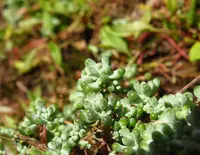
If grown in shallow containers outdoors, move pots under an overhang or onto a dry, gritty surface in prolonged winter rain to reduce root rot risk without lifting the plant indoors.

Targeted Pest Monitoring

Check tight stem clusters and leaf bases every 2–3 weeks during warm weather for aphids or mealybugs, and treat early with a cotton swab dipped in 70% isopropyl alcohol before infestations spread.

Grit Top-Dressing

Add a 0.5–1 in layer of coarse grit or small gravel on the soil surface to keep foliage dry at the base, reduce moss and algae, and stabilize shallow roots in windy or exposed sites.

Sectional Rejuvenation

Every 2–3 years lift and divide only the oldest, thinning sections of the clump in early spring, replanting the healthiest outer rosettes to maintain a vigorous, even groundcover while still caring for Sedum pedicellatum in place.

Common Pests and Diseases

Mealybugs

This pest feeds on succulent leaves and stems, often hiding in tight rosettes and leaf bases where its white cottony masses are protected. Symptoms include stunted growth, honeydew, and sooty mold on shaded, crowded plants.

Solution

Isolate affected plants, then dab visible insects with cotton swabs dipped in 70% isopropyl alcohol and repeat weekly until gone. For larger infestations on outdoor clumps, use a strong water spray to dislodge insects, improve air movement, and apply a light horticultural soap or oil to leaf surfaces while keeping the soil surface dry.

Aphids

These insects cluster on tender new growth and flower stalks, sucking sap and causing distortion and yellowing of the small leaves. Honeydew and attendant ants are common on plants grown in nutrient-rich, sheltered sites.

Solution

Wash colonies off with a firm stream of water, focusing on shoot tips and flower stems, and repeat every few days as needed. Encourage natural predators outdoors, avoid excess nitrogen fertilization, and if populations stay high, apply insecticidal soap in the cool part of the day, coating undersides of leaves and stems.

Spider mites

This pest becomes problematic in hot, dry conditions, especially on plants grown under glass or close to sunlit walls. Symptoms include fine webbing, dull or stippled foliage, and general loss of vigor.

Solution

Increase humidity around the plant slightly without overwatering, then hose or rinse stems and leaves thoroughly to remove mites. For persistent issues, repeat rinsing every few days and apply horticultural oil or insecticidal soap to all plant surfaces, paying attention to sheltered joints between stems and leaves.

Leaf spot

This disease causes small brown or black lesions on leaves and sometimes stems, often starting on older or shaded foliage in dense clumps. Symptoms include spotting that may coalesce and lead to premature leaf drop in persistently damp conditions.

Solution

Remove and discard affected leaves to reduce inoculum, and keep foliage as dry as possible by watering at the base early in the day. Improve spacing and airflow, remove heavy mulch that traps moisture around stems, and if the problem recurs, apply a suitable fungicide labeled for ornamental succulents according to Sedum pedicellatum care instructions.

Crown and stem rot

This disease affects the basal portions of stems where dense, low mats stay wet against soil or rock, leading to soft, discolored tissue and collapse of affected sections. Symptoms include sudden wilting and easy detachment of rotted stems at the crown line after prolonged moisture or poor drainage.

Solution

Promptly cut away and discard all soft, rotting tissue and any adjacent stems that show discoloration. Allow the remaining healthy parts to dry, improve drainage with a gritty substrate and slightly raised planting position, reduce watering frequency, and avoid overhead watering in cool or humid weather so new growth can re-root into healthier, drier soil.

Interesting Facts

Caucasus rock specialist

This species is naturally restricted to rocky slopes and outcrops in parts of the Caucasus region, often growing in shallow, mineral-rich soils where many other plants cannot survive.

Flat rosette habit

It forms tight, low rosettes that hug the rock surface, an adaptation that reduces water loss and protects the growing point from temperature fluctuations and wind exposure.

Seasonal color shifts

The foliage can shift from green to more reddish or bronzed tones under strong sun and drier conditions, a response linked to increased protective pigments in the leaves.

FAQs about Sedum pedicellatum

This species forms small, low mats and slowly enlarges from its base. It does not spread aggressively and is unlikely to become a nuisance, even in rock gardens or crevices, if given typical dry, lean conditions.

Grow Healthy Plants with Botan Care

Keep your plants happy and healthy with plant identification, disease detection, and easy care guidance.

Botan plant care app — identify plants on mobile

Explore More Plants