Elf Orpine Care (Sedum smallii)

Also known as: Small's stonecrop
Elf Orpine

About Elf Orpine

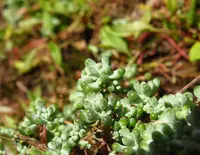
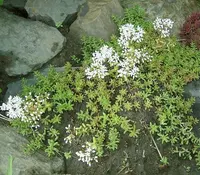
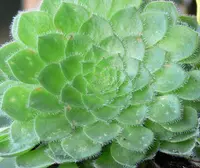
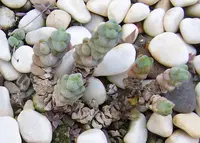
Elf orpine (Sedum smallii) is a small, mat-forming succulent grown mainly for its tight foliage and low, spreading habit. It works well as a groundcover, in rock gardens, or tucked between stones.

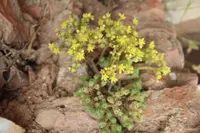
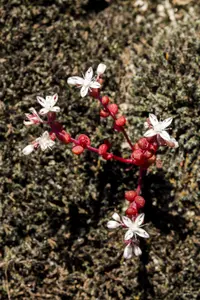
This species is native to the southeastern United States, where it naturally grows on rocky outcrops and well-drained slopes. Plants usually form dense clusters of small, fleshy leaves and produce delicate star-shaped flowers.

Its drought tolerance and slow, compact growth make it fairly easy to manage, especially for growers who prefer low-maintenance plants. Those learning how to care for Elf Orpine should focus on bright light, sharp drainage, and avoiding persistent wet soil.

Main Plant Requirements

Care Difficulty

Easy Care

Light Preference

Full Sun

Water Requirements

Low Water

Temperature Preference

Cold Hardy

Hardiness Zone

6–9

Soil Texture

Sandy, Loamy, Rocky

Soil pH

Slightly acidic (6.5–7.0), Neutral (7.0)

Soil Drainage

Well-drained

Fertilization

Minimal (feed rarely)

Get Personalized Care Plan

Scan your plant to receive care tips personalized for your specific plant

Available on iOS and Android

How to Care for the Elf Orpine

This compact sedum thrives in bright conditions with several hours of direct sun each day.

  • Provide 4–6 hours of direct morning to early afternoon sun; light afternoon shade helps prevent leaf scorch in very hot climates.
  • Tolerates light partial shade, but dense shade leads to weak, stretched growth and reduced flowering in Elf Orpine.
  • In summer, monitor for pale, bleached foliage as a sign of too much intense sun; in winter, ensure it still receives bright, unobstructed light.

This drought-tolerant sedum prefers infrequent, deep watering and fast-drying soil.

  • Outdoors in free-draining soil, water only when the top 3–5 cm are completely dry; in rainy periods, additional watering is usually unnecessary.
  • Use gritty, sharply draining soil or a rocky slope so water runs off quickly and roots do not sit in soggy conditions that cause rot.
  • Shriveling, soft leaves suggest underwatering, while mushy, translucent leaves or sudden leaf drop indicate overwatering and poor drainage for Sedum smallii.

This hardy sedum tolerates a wide temperature range but grows best in mild to warm conditions.

  • Active growth is strongest around 65–80°F (18–27°C), with good performance in typical spring and fall outdoor conditions.
  • Established plants usually tolerate down to about 0°F (−18°C) with good drainage, but foliage may die back after hard freezes and regrow from the crown.
  • Handles summer heat up to about 90–95°F (32–35°C) if soil is not waterlogged; prolonged extreme heat with high humidity increases rot risk.

Sedum smallii handles low humidity well and usually does not need special humidity care indoors or outdoors.

Sedum smallii prefers very well-drained, gritty soil that dries quickly between waterings.

  • Use a sandy or gritty mix, such as 50–60% cactus mix blended with coarse sand or small gravel, to mimic rocky habitats.
  • Ensure very rapid drainage; water should run through in seconds and not leave the mix soggy or compacted.
  • Keep pH slightly acidic to neutral (pH 6.0–7.0), avoiding strongly acidic or alkaline soils that can limit nutrient uptake.
  • Avoid heavy, clay-rich, or peat-heavy mixes; lighten them with coarse sand, pumice, or perlite to improve aeration and root health.

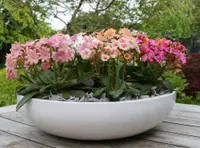
This species is well suited to container growing, especially in shallow, fast-draining pots.

  • Choose a wide, shallow container to accommodate its spreading habit and keep the root zone from staying wet too long.
  • Select unglazed terracotta if extra evaporation is needed, especially in rainy or humid climates, to prevent lingering moisture.
  • Raise the pot slightly on feet or bricks so drainage holes stay clear and excess water can escape quickly after rain or watering.

Sedum smallii grows well in lean soils and needs only light feeding to stay healthy.

  • Use a balanced, low-strength liquid fertilizer (for example 10-10-10) diluted to 25–50% once a month in spring–summer if growth is very weak.
  • Apply a thin layer of compost around, not on, the crowns to boost soil life without making it too rich.
  • Skip feeding in fall–winter when growth slows or stops, especially for outdoor clumps of Elf Orpine.
  • Avoid frequent or heavy feeding, which encourages floppy, weak stems and reduces drought tolerance.

Pruning Sedum smallii is simple and mainly keeps the clump compact and tidy.

  • Cut back spent flower stems in late summer or early fall to maintain a neat, low mound.
  • Trim any leggy or sprawling shoots by one-third to shape the plant and encourage denser new growth.
  • Remove dead, damaged, or diseased stems at the base using clean, sharp scissors or hand pruners.
  • Lightly shear large groundcover patches after flowering to refresh foliage and even out height.

This species usually stays in the ground, with transplanting only needed when clumps outgrow their space or soil conditions decline.

  • Plan to lift and transplant outdoor clumps every 3–5 years, ideally in early spring or early fall during mild weather.
  • Look for tight, crowded mats, bare centers, or poor flowering as signs that Sedum smallii benefits from division and fresh soil contact.
  • Gently lift clumps with a hand fork, tease apart sections with healthy roots, and replant divisions at the same depth in gritty, well-drained soil.
  • Water lightly after transplanting, then let the soil dry between waterings to limit root stress and discourage rot.

Sedum smallii is commonly multiplied by division and short stem cuttings.

  • Divide established clumps in early spring, replanting firm sections with healthy roots into well-drained, sandy or gravelly soil.
  • Take 5–8 cm non-flowering stem cuttings in late spring–summer, let cut ends dry for 1–2 days, then place on or just in a gritty mix.
  • Keep cuttings bright and dry to slightly moist, never wet, until roots form in 2–4 weeks.
  • Sow seeds on the surface of a free-draining mix in spring, providing bright light and very light, even moisture until germination.

This hardy sedum usually needs minimal winter care in most temperate climates.

  • Established plants tolerate frost and short freezes, with top growth often dying back while roots remain viable.
  • In colder regions, add a thin, loose mulch layer around crowns to moderate soil temperature without smothering them.
  • Container-grown plants benefit from moving to a sheltered, unheated area where pots stay cool but do not freeze solid.
  • Avoid winter waterlogging by ensuring sharp drainage, especially in heavy or compacted soils.

Care Tips

Rocky Crevice Planting

Tuck plants into narrow rock crevices or between pavers where roots stay cool but foliage gets full sun, which helps reduce stem flop and keeps mats dense.

Controlled Spreading Edges

Edge planting pockets with rocks or lean gravel bands to slow lateral spread and keep the colony defined without frequent cutting back.

Storm Drainage Protection

On slopes or near paths, place a thin layer of angular gravel upslope of the clump to break the force of heavy rain and prevent fine soil from washing over and smothering the foliage.

Winter Wet Avoidance

In regions with cold, wet winters, slightly tilt planting sites or containers so excess water quickly drains away from crowns, reducing crown rot risk.

Low-Input Groundcover Strategy

When growing Elf Orpine as a groundcover, plant multiple small clumps 15–20 cm apart, then top-dress once with gravel mulch to encourage fast knit-together growth with minimal weeding.

Common Pests and Diseases

Aphids

This pest feeds on young stems and leaves, sucking sap and causing distortion, sticky honeydew, and occasional sooty mold on foliage. Infestations are more common on tender new growth and stressed plants, especially in container-grown clumps.

Solution

Rinse colonies off with a firm stream of water and remove heavily infested stems if practical. For persistent problems, use insecticidal soap or a light horticultural oil, applied in the early morning or evening, and reduce excess nitrogen fertilization to limit very soft, lush growth.

Mealybugs

These insects appear as small white cottony clusters in leaf axils and on stems, where they suck sap and can stunt growth. Symptoms include sticky residue, yellowing patches, and slow decline of individual shoots or portions of the mat.

Solution

Isolate affected containers, then dab visible insects with cotton swabs dipped in 70% isopropyl alcohol or wash them off with lukewarm water and mild soap. For larger infestations, apply insecticidal soap or horticultural oil directed into crevices, repeating every 7–10 days until no new mealybugs appear, and thin crowded stems to improve airflow.

Spider mites

This pest is more likely in hot, dry conditions and causes fine stippling, dull or bronzed leaves, and sometimes delicate webbing between stems. Symptoms include gradual thinning of foliage and a dusty appearance on the plant surface.

Solution

Increase humidity around container plants with occasional gentle hosing, then spray foliage with a strong but controlled stream of water to dislodge mites from both leaf surfaces. If needed, use insecticidal soap or a miticide labeled for ornamentals, applied thoroughly to undersides of leaves, and avoid letting plants dry out severely during prolonged heat.

Powdery mildew

This disease produces white to gray powdery patches on leaves and stems, usually in warm conditions with dry foliage but poor air movement. Symptoms include slowed growth, distorted leaves, and reduced vigor of dense groundcover patches.

Solution

Improve air circulation by thinning crowded clumps and avoiding overhead watering late in the day. Remove and discard heavily infected stems and, if the problem persists, apply a sulfur or potassium bicarbonate fungicide labeled for ornamentals, making sure the plant is not water-stressed before treatment.

Stem and crown rot

This disease occurs in poorly drained soils or containers that stay wet, leading to blackened, mushy stems at the base and rapid collapse of affected sections. Symptoms include sudden wilting despite moist soil and easy detachment of rotted shoots from the crown.

Solution

Remove and discard all affected plant material and improve drainage by amending soil with coarse mineral grit and avoiding dense organic mulches around the crown. Replant only healthy, firm cuttings in well-drained mix, water deeply but infrequently, and avoid letting pots sit in standing water to prevent recurrence while growing Elf Orpine.

Interesting Facts

Appalachian granite specialist

This species occurs naturally on granitic outcrops in the southeastern United States, especially in the southern Appalachian region, where it forms tight mats in shallow soil pockets and rock crevices.

Summer-blooming stonecrop

It produces small, star-shaped yellow flowers in late spring to summer, timed to attract local insect pollinators that are active on exposed rock surfaces during warm, sunny weather.

Cold-hardy succulent foliage

Unlike many tender succulents, its small fleshy leaves tolerate typical Appalachian winters, allowing established clumps to persist year after year in exposed, rocky habitats and in cultivation, which is an important point in Sedum smallii plant care.

FAQs about Elf Orpine

Lack of blooms usually comes from insufficient light, overly rich or high-nitrogen fertilizer, or heavy summer watering. Older clumps may also need division. Adjust these factors and flowering typically improves in the next growing season.

Grow Healthy Plants with Botan Care

Keep your plants happy and healthy with plant identification, disease detection, and easy care guidance.

Botan plant care app — identify plants on mobile

Explore More Plants