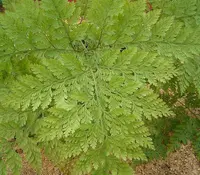
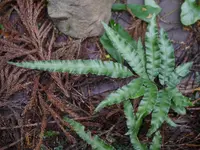
Delicate spikemoss Care (Selaginella delicatula)

Delicate spikemoss

About Delicate spikemoss

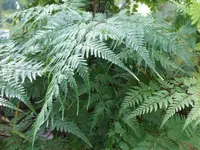
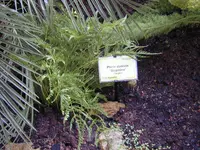
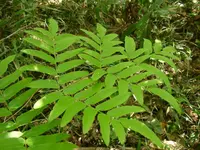
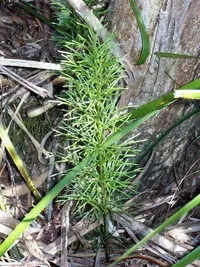
Delicate spikemoss (Selaginella delicatula) is a small, fern-like clubmoss relative that forms soft, lacy mats of finely divided green foliage. The stems creep along the surface and root as they go, creating a dense, cushion-like groundcover.

In nature it grows in shaded, humid forest floors and rocky crevices in parts of Asia, where air and soil moisture stay high. These origins make it sensitive to drying out and low humidity, so it suits terrariums or consistently damp indoor spots.

Light shade, evenly moist substrate, and good air circulation are the main conditions to focus on when learning how to care for Delicate spikemoss.

Main Plant Requirements

Care Difficulty

Hard Care

Light Preference

Partial Shade

Water Requirements

Keep Soil Moist

Temperature Preference

Tropical / Frost Sensitive

Hardiness Zone

Unknown

Soil Texture

Loamy, Peaty, Organic-rich

Soil pH

Strongly acidic (4.5–5.5), Acidic (5.5–6.5)

Soil Drainage

Moist but well-drained

Fertilization

Light (every 4–6 weeks)

Get Personalized Care Plan

Scan your plant to receive care tips personalized for your specific plant

Available on iOS and Android

How to Care for the Delicate spikemoss

This species grows best in bright, very soft light that mimics a shaded forest floor.

  • Provide 6–10 hours of bright, filtered light each day, such as dappled shade under taller plants or a sheer-curtained east or north window for Delicate spikemoss.
  • Avoid direct midday and afternoon sun, which can bleach fronds, cause crisped tips, and dry out the fine foliage and soil surface quickly.
  • In summer, shift the plant slightly deeper into shade; in winter, move it where it receives brighter indirect light to compensate for shorter days.

This plant prefers consistently moist conditions and is sensitive to both drought and waterlogging.

  • Keep soil evenly moist so it feels damp but not soggy; allow only the top 0.5–1 cm to begin drying before watering again for Selaginella delicatula.
  • Water slowly until excess drains away, then discard runoff; use a fine rose or gentle stream to avoid disturbing shallow roots and compacting the surface.
  • In warmer months, expect more frequent watering as evaporation increases; in cooler seasons, keep moisture steady but slightly reduce volume, watching for wilting, crisp edges, or yellowing fronds as stress signs.

This species prefers cool to mildly warm, stable temperatures with no frost exposure.

  • Aim for 60–75°F (16–24°C) for steady growth, keeping it away from heaters, cold windows, and abrupt drafts that cause stress to delicate stems.
  • Protect the plant from temperatures below 45°F (7°C); repeated exposure near this minimum slows growth, while frost can permanently damage fronds and stems.
  • In hot weather above 80°F (27°C), increase humidity, shade, and air movement to prevent heat stress, leaf curl, and rapid drying of the fine root zone.

This species demands very high humidity to maintain healthy, finely divided foliage.

  • Keep air humidity at 70–90% using a humidifier or enclosed terrarium-style setup for reliable Selaginella delicatula care.
  • Dry indoor air below 60% causes crisping tips, brown edges, and overall thinning of the mat.
  • Raise humidity by grouping plants, using a pebble tray with water below the pot base, or placing in a closed display case away from direct heat.

Selaginella delicatula prefers a loose, moisture-retentive but airy substrate that never becomes waterlogged.

  • Use a mix of roughly 50% fine peat or coco coir, 30–40% leaf mold or compost, and 10–20% fine perlite for structure and drainage.
  • Aim for slightly acidic conditions around pH 5.0–6.5, which support nutrient availability and healthy root-like rhizophores.
  • Ensure the mix feels springy, not compacted; incorporate fine orchid bark or shredded fern fiber to increase pore spaces and oxygen around the roots.
  • Avoid heavy clay, straight garden soil, or coarse, sandy mixes that either stay soggy, compact hard, or dry out too fast.

This species is well suited to shallow, wide containers that support its creeping growth habit.

  • Choose a broad, low pot so stems can spread sideways, keeping the active growing tips away from constantly wet pot rims.
  • Select plastic or glazed ceramic containers to slow evaporation and stabilize moisture, especially in dry indoor air.
  • Use a pot with drainage holes and set it inside a secondary cachepot so excess water drains freely while ambient humidity remains slightly elevated around the foliage.

This species prefers light, careful feeding, as Delicate spikemoss is sensitive to excess salts.

  • Use a dilute balanced liquid fertilizer (such as 10-10-10 or 20-20-20) at 1/4–1/2 strength during active growth in spring–summer.
  • Apply every 4–6 weeks only when the substrate is moist, never on dry soil.
  • Skip fertilizer in fall–winter or apply at most once, at very weak strength.
  • Rinse the potting mix with plain water every few months to reduce salt buildup.

Selaginella delicatula needs only light, hygienic pruning to keep its mat dense and tidy.

  • Trim back dead, yellowing, or browned fronds at any time using small, clean scissors.
  • In spring, lightly shorten overgrown, leggy tips to encourage denser side branching and a more compact form.
  • Remove crowded or overlapping stems to improve air movement across the foliage surface.
  • Disinfect blades with alcohol before and after use to limit disease spread.

This Selaginella prefers stable conditions and shallow containers, so repot only when clearly rootbound.

  • Check for roots circling the pot, protruding from drainage holes, or persistent drying out as signals to repot.
  • Plan repotting for early spring, every 2–3 years, shifting only 1 pot size up.
  • Move the plant with the root ball mostly intact into a wider, shallow pot with moisture-retentive, airy mix.
  • Water thoroughly, then keep humidity high and light moderate for 1–2 weeks to reduce transplant stress.

This species is most commonly multiplied by division and stem cuttings taken from healthy mats.

  • In spring or early summer, divide dense clumps, keeping each section with roots and attached stems.
  • For cuttings, select soft, green stems 3–5 cm long and place them on or just in moist, fine-textured mix.
  • Maintain 75–90% humidity, gentle bottom warmth if possible, and low–medium light for steady rooting.
  • Avoid letting the substrate dry; consistent, even moisture is critical for successful rooting.

Selaginella delicatula is not frost hardy and needs mild, protected conditions in winter.

  • Maintain indoor temperatures around 60–75°F and avoid cold drafts or sudden chills.
  • Move outdoor containers indoors before temperatures drop near 40°F.
  • Provide bright, indirect light and slightly reduce watering while never allowing the substrate to dry completely.
  • Do not expose the plant to freezing conditions, as foliage and stems are easily damaged.

Care Tips

Horizontal planting

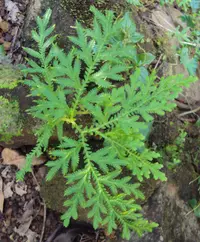
Plant stems so they sprawl over the substrate rather than standing upright, gently pinning longer fronds down with U-shaped wire or hairpins to encourage dense, moss-like carpeting instead of sparse, leggy growth.

Microclimate zoning

Place the pot inside a tall glass cylinder, terrarium, or clear storage box with a small vent opening to create a stable high-humidity pocket around the plant while still allowing enough air exchange to prevent fungal issues.

Soft water management

Use low-mineral water and occasionally flush the pot thoroughly, allowing excess water to drain, to prevent salts from building up and burning the extremely fine roots and shoot tips.

Gentle pest scouting

Inspect fronds and stem joints every 1–2 weeks with a magnifying glass, and if mites or small insects appear, use a fine mist of insecticidal soap followed by a fresh-water rinse to avoid damaging the delicate foliage.

Careful repot timing

Repot only when roots are just filling the current container and signs of new growth are visible, moving the plant into a slightly wider but shallow pot to reduce stress and support stable spread when caring for Delicate spikemoss.

Common Pests and Diseases

Fungus gnats

This pest is strongly attracted to the constantly moist substrate that Selaginella delicatula requires and larvae feed on fine roots and decaying organic matter. Symptoms include tiny black flies around the pot and slow, weakened growth in very wet mixes.

Solution

Allow just the top 0.5–1 cm of the substrate to dry slightly between waterings, use a fine, airy but moisture-retentive mix, and remove any algae or moss buildup on the soil surface. Trap adults with yellow sticky cards and control larvae by bottom-watering only, then using a biological control such as Bacillus thuringiensis israelensis according to label directions.

Botrytis blight

This disease thrives in the cool, still, humid air often used for Delicate spikemoss and causes gray, fuzzy mold on fronds, especially where foliage stays wet. Symptoms include water-soaked spots that turn brown and develop a gray, dusty growth.

Solution

Improve air movement around the plant, avoid overhead misting that leaves fronds wet for long periods, and promptly remove and discard all infected tissue. Reduce humidity slightly, keep foliage dry while maintaining evenly moist soil, and if needed use a labeled indoor fungicide on surrounding healthy growth while adjusting care to prevent recurrence as part of Selaginella delicatula care.

Rhizoctonia stem rot

This disease is favored by saturated, poorly aerated media and warm conditions, leading to brown, constricted lesions at the stem base and sudden collapse of fronds. Symptoms include thinning mats, wilting despite moist soil, and stems that turn mushy where they contact the substrate.

Solution

Discard severely affected plants or sections, and cut away and dispose of all rotted portions, keeping only firm, unblemished shoots. Repot into a fresh, sterile, very fine but airy mix, water so the substrate is evenly moist but never waterlogged, and ensure shallow, wide containers with good drainage to reduce future stem contact with soggy media.

Spider mites

These insects can occur when Selaginella delicatula is grown in too-dry indoor air and cause stippling, dull color, and fine webbing on fronds. This pest is small and often first noticed as a general faded appearance and slight distortion of new growth.

Solution

Increase humidity to 60–80% with pebble trays or a humidifier while still providing some air movement, and rinse foliage thoroughly under a gentle stream of lukewarm water to remove mites and webs. Repeat rinsing every few days, then follow up with insecticidal soap or horticultural oil applied carefully to all frond surfaces if populations persist.

Pythium root decline

This disease tends to appear in very wet, compacted mixes and cool conditions, damaging the fine root system that Selaginella delicatula depends on. Symptoms include slow, stunted growth, yellowing or bronzing fronds, and roots that appear brown and soft instead of white and firm.

Solution

Cut back on watering frequency while keeping the medium only just evenly moist, then repot into a fresh, fine-textured but well-drained mix and a pot with ample drainage holes. Remove all visibly damaged roots, gently trim them back to firm tissue, and maintain warm temperatures and moderate air movement to support new healthy root growth.

Interesting Facts

Moist forest specialist

This species is naturally found on shaded, constantly damp forest floors and rock faces in parts of tropical Asia, often forming low, finely textured groundcover in very humid microhabitats.

Delicate but evergreen

Despite its very fine, lace-like foliage, it is an evergreen clubmoss relative and can maintain green growth year-round in stable, moist, frost-free conditions.

Ancient plant lineage

Selaginella delicatula belongs to a very old plant lineage (lycophytes) that diverged from the ancestors of modern ferns and seed plants hundreds of millions of years ago, so its reproduction by spores reflects this ancient evolutionary history.

FAQs about Delicate spikemoss

This species performs well both indoors and outdoors if moisture and humidity stay consistently high. Indoors offers better control of humidity and temperature, while sheltered, shaded outdoor spots suit mild, frost-free climates with reliably moist soil and protection from drying wind.

Grow Healthy Plants with Botan Care

Keep your plants happy and healthy with plant identification, disease detection, and easy care guidance.

Botan plant care app — identify plants on mobile

Explore More Plants