dusty-miller Care (Silene coronaria)

Also known as: rose campion, crown-pink, mullein-pink, Bloody William
dusty-miller

About dusty-miller

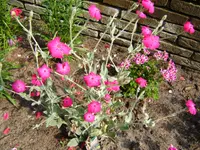
Dusty-miller, Silene coronaria, is a short-lived perennial often grown as an ornamental for its silver-gray, softly fuzzy leaves and vivid magenta or white flowers. It forms loose clumps and sends up slender flowering stems that give a relaxed, cottage-garden look.

The plant is native to parts of southern Europe and thrives in sunny, open, and relatively dry sites. Its drought tolerance, modest nutrient needs, and general toughness make it straightforward to grow once established.

Gardeners who care for dusty-miller usually value it as a low-maintenance accent in borders or gravel gardens. It often self-seeds lightly, helping it persist in suitable conditions without much intervention.

Main Plant Requirements

Care Difficulty

Easy Care

Light Preference

Full Sun

Water Requirements

Low Water

Temperature Preference

Cold Hardy

Hardiness Zone

4–8

Soil Texture

Sandy, Loamy, Rocky

Soil pH

Slightly acidic (6.5–7.0), Neutral (7.0)

Soil Drainage

Well-drained

Fertilization

Minimal (feed rarely)

Get Personalized Care Plan

Scan your plant to receive care tips personalized for your specific plant

Available on iOS and Android

How to Care for the dusty-miller

Silene coronaria thrives in bright conditions with plenty of direct sun for compact, floriferous growth.

  • Provide 6–8 hours of direct sun daily; morning sun with light afternoon shade helps prevent leaf scorch in hot summers.
  • The plant tolerates light partial shade, but flowering decreases and stems stretch if it receives less than about 4–5 hours of sun.
  • In very hot climates, site it like dusty-miller, giving protection from harsh afternoon sun and using reflective mulch to balance light and heat.

Silene coronaria prefers slightly dry, fast-draining conditions and is vulnerable to excess moisture around the roots.

  • Allow the top 3–5 cm of soil to dry before watering, then soak the root zone thoroughly so water drains quickly away.
  • During cool, rainy seasons reduce or skip watering if natural rainfall keeps the soil lightly dry rather than consistently damp.
  • Watch for yellowing, limp foliage as a sign of overwatering and crisp, drooping leaves with dry soil as a sign the plant needs water.

This species is quite hardy and handles a wide temperature range when soil drains well.

  • Active growth and flowering are best at 60–75°F (16–24°C), with good performance in typical spring and early summer conditions.
  • Mature plants usually tolerate down to about 10–15°F (-12–-9°C) in well-drained soil, though young plants benefit from protection from hard freezes.
  • In summer, plants cope with 85–90°F (29–32°C) if soil is not waterlogged; mulching helps moderate root temperatures and reduce stress.

Silene coronaria handles a wide humidity range and rarely needs special humidity management.

Silene coronaria prefers lean, well-drained, slightly alkaline soil that does not stay wet after rain or watering.

  • Use a gritty, sandy or loamy mix with 30–50% coarse sand or fine gravel to keep water moving through the root zone.
  • Incorporate a small amount of compost for nutrients but avoid heavy, peat-rich mixes that retain prolonged moisture.
  • Aim for pH 6.5–7.5; add a light dusting of garden lime if the native soil is noticeably acidic.
  • Improve aeration and drainage in containers or beds by mixing in perlite or small gravel and avoiding compacted ground.

This species grows well in containers when provided with sharp drainage and a relatively lean substrate.

  • Choose a wide, medium-depth pot to give its clumping root system lateral space without encouraging waterlogged depth.
  • Use a heavier clay or ceramic pot outdoors so the tall flowering stems stay stable in wind.
  • Raise the container slightly on feet or bricks to help drainage holes clear water quickly after rain or irrigation.

Silene coronaria thrives in lean soil and needs only light feeding to support flowering.

  • Use a balanced, diluted liquid fertilizer (such as 10-10-10 at 1/2 strength) for container plants during active growth.
  • Feed every 4–6 weeks in spring and early summer, then stop by late summer.
  • Skip feeding in winter dormancy to prevent weak, leggy growth.
  • In poor garden soils, a thin top-dress of compost in spring is usually enough, similar to caring for dusty-miller.

Pruning Silene coronaria keeps plants compact and encourages longer flowering.

  • Deadhead spent flower stems through summer to promote new blooms and reduce self-seeding.
  • In late fall or early spring, cut back dead, damaged, or straggly stems to a low mound.
  • Remove crowded or crossing stems to improve airflow and reduce fungal problems.
  • Use clean, sharp hand pruners and make cuts just above a healthy leaf node.

Silene coronaria is usually grown in the ground, so focus on careful transplanting rather than frequent repotting.

  • Transplant young plants in spring or early fall when temperatures are mild and soil is workable.
  • Choose a sunny, well-drained site; avoid heavy, wet clay that can cause root rot.
  • Lift with a generous soil ball, disturb roots as little as possible, and water in gently to settle soil.
  • Container plants only need a larger pot when roots circle the container or growth slows noticeably.

Silene coronaria is commonly propagated by seed and short-lived clumps are often renewed this way.

  • Sow seeds in late fall outdoors for natural cold stratification, or in early spring under cover.
  • Provide light, well-drained soil and bright light; many seeds germinate better when lightly pressed, not buried deeply.
  • For division, split established clumps in early spring, replanting sections promptly at the same depth.
  • Keep newly sown or divided plants evenly moist, not soggy, until well rooted.

Silene coronaria is generally cold hardy and needs minimal winter care in most temperate climates.

  • In zones with wet winters, ensure soil drains well to avoid crown rot.
  • Apply a light mulch layer (2–5 cm) around, but not on top of, the crown in colder regions.
  • Container plants in very cold areas can be moved to a sheltered, unheated spot to reduce freeze–thaw stress.

Care Tips

Self-seeding management

Leave some spent flower stalks standing until seeds darken and dry, then shake or crumble them over the soil where you want new plants and cut back the remaining stalks to prevent unwanted self-sowing elsewhere.

Rosette winter protection

In colder areas, apply a light, dry mulch (such as shredded bark or pine needles) around but not over the evergreen rosettes in late fall to reduce freeze–thaw heaving and crown damage.

Flower stalk support

In windy or exposed sites, insert a low ring stake or a few discreet bamboo canes around the clump early in the season so the tall, wiry flowering stems lean on them instead of flopping or snapping.

Summer clump renewal

After the main flush of bloom, shear the plant back by about one-third and remove any dead or woody centers to stimulate fresh silvery foliage and a lighter second flush of flowers.

Targeted clump placement

Plant near paths, dark-foliage shrubs, or in front of coarse-textured perennials so the silvery leaves and magenta flowers provide contrast and you can use the dense rosettes as a living mulch to suppress low weeds, similar to how gardeners use plants when growing dusty-miller.

Common Pests and Diseases

Leaf spot

This disease causes small, brown to purplish spots on older leaves that may merge, leading to yellowing and early leaf drop in humid or wet conditions.

Solution

Remove and dispose of affected leaves, avoid overhead watering, and water early in the day so foliage dries quickly; improve spacing for better airflow and apply a copper or chlorothalonil-based fungicide if spotting continues in wet weather.

Powdery mildew

This disease appears as white, powdery patches on leaves and stems, often in warm days and cool nights, and can cause leaf distortion and reduced vigor.

Solution

Increase airflow around plants, avoid wetting foliage, remove heavily infected leaves, and use a sulfur or potassium bicarbonate-based fungicide spray if the white coating continues to spread.

Aphids

These insects cluster on tender shoots and flower stems, sucking sap and causing curling, yellowing, and sticky honeydew that can attract sooty mold.

Solution

Spray colonies off with a firm stream of water, pinch or cut back heavily infested shoot tips, and use insecticidal soap or a neem oil spray, repeating every 5–7 days until populations drop.

Spider mites

This pest thrives in hot, dry conditions and causes fine speckling, dulling, and bronzing of the silvery leaves, often with delicate webbing between stems and foliage.

Solution

Rinse foliage thoroughly with water, focusing on leaf undersides, increase ambient humidity slightly, and apply insecticidal soap or horticultural oil, repeating treatments to break the life cycle.

Interesting Facts

Woolly leaf coating

The gray-white leaves are covered in dense, felt-like hairs that reflect sunlight and reduce water loss, an adaptation to its native dry, rocky habitats in southern Europe.

Short-lived, self-seeding

Although technically a short-lived perennial, it often behaves like a biennial or triennial in gardens and maintains itself by prolific self-seeding around disturbed or bare soil patches.

Color contrast strategy

The combination of silvery foliage and intense magenta flowers enhances visual contrast for pollinators, making the blooms more conspicuous against the background in open, sunny sites.

Botan icon

Did you know?

Silene coronaria has a long history in European cottage gardens and has persisted for centuries as a pass-along plant, often surviving in old village sites and around ruins where it escaped from cultivation and naturalized in disturbed ground.

FAQs about dusty-miller

Poor flowering usually comes from too much shade, excess nitrogen fertilizer, or plants that are too young. Ensure full sun, avoid high-nitrogen feeds, and deadhead spent blooms to encourage continued flowering through the warm season.

Grow Healthy Plants with Botan Care

Keep your plants happy and healthy with plant identification, disease detection, and easy care guidance.

Botan plant care app — identify plants on mobile

Explore More Plants