wholeleaf rosinweed Care (Silphium integrifolium)

Also known as: prairie rosinweed, Rosinweed
wholeleaf rosinweed

About wholeleaf rosinweed

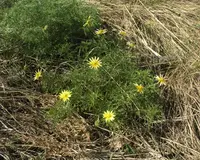
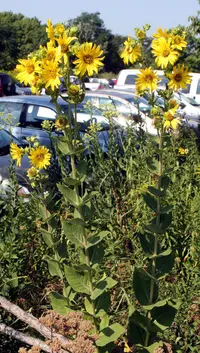
Wholeleaf rosinweed (Silphium integrifolium) is a long-lived prairie perennial in the sunflower family, grown mainly for its bright yellow, daisy-like summer flowers. It forms upright clumps with sturdy stems, broad rough leaves, and a deep root system that allows it to handle heat and short dry spells once established.

This species is native to central and eastern North American prairies and open meadows, where it grows in full sun and well-drained to moderately moist soils. It suits low-maintenance, wildlife-friendly plantings, since it attracts pollinators and usually resists browsing and common pests. Gardeners looking for guidance on how to care for wholeleaf rosinweed mainly need to match its preference for sun and non-soggy soil.

Main Plant Requirements

Care Difficulty

Easy Care

Light Preference

Full Sun

Water Requirements

Moderate Water

Temperature Preference

Cold Hardy

Hardiness Zone

3–8

Soil Texture

Sandy, Loamy, Clay

Soil pH

Slightly acidic (6.5–7.0), Neutral (7.0)

Soil Drainage

Well-drained

Fertilization

Minimal (feed rarely)

Get Personalized Care Plan

Scan your plant to receive care tips personalized for your specific plant

Available on iOS and Android

How to Care for the wholeleaf rosinweed

This prairie perennial thrives in strong, open light that mimics its native habitat.

  • Provide full sun for 6–8 hours daily; wholeleaf rosinweed flowers and stands sturdier in unobstructed light.
  • Tolerates light afternoon shade, especially in hotter regions, but dense shade leads to weak, floppy stems and fewer blooms.
  • Avoid planting where tall plants or buildings cast prolonged shade; check during summer to be sure the site still receives at least 5–6 hours of direct sun.

This deep-rooted perennial prefers moderately dry conditions once established.

  • In well-drained garden soil, water only when the top 5–7 cm feels dry, focusing on long, deep soakings rather than frequent light splashes.
  • During the first growing season, maintain slightly moist soil; in later years, reduce watering except during extended droughts or extreme heat.
  • Signs of overwatering include yellowing lower leaves and soft stems, while prolonged drooping and crisp leaf edges usually indicate underwatering or very dry soil.

This species tolerates a wide temperature range typical of continental climates.

  • Active growth and flowering occur best around 70–85°F (21–29°C) during late spring and summer.
  • Silphium integrifolium survives winter cold to about -20°F (-29°C) in the ground, dying back above soil level and resprouting in spring.
  • Mature plants handle summer highs near 95°F (35°C) if roots are established and soil drains well, but prolonged extreme heat with drought can reduce flowering.

Humidity is rarely a concern for this hardy prairie perennial in outdoor conditions.

Silphium integrifolium grows best in open, mineral-rich soil that does not stay wet.

  • Use a moderately coarse loam or sandy loam with 20–40% sharp sand or grit to keep the profile open.
  • Incorporate 10–20% well-rotted compost to improve structure but avoid peat-heavy, moisture-retentive mixes.
  • Aim for slightly acidic to neutral pH around 6.0–7.5, avoiding strongly acidic or saline soils.
  • On heavy clay sites, raise the planting area and blend in coarse sand or small gravel to improve drainage and aeration.

This tall, deep-rooted species is only moderately suitable for container growing and performs better in the ground.

  • Choose a deep, heavy container at least 40–50 cm tall to give the taproot room and to prevent tipping in strong winds.
  • Use a fast-draining, sandy loam-based mix and elevate the pot so drainage holes never sit directly on a solid surface.
  • Position the container in a sheltered, full-sun spot where the tall stems will not act as a sail and topple the pot.

This prairie perennial generally needs minimal feeding in average garden soil, but light fertilization can support stronger growth in poor sites.

  • Apply a thin layer of compost around plants in early spring to improve soil structure and supply slow, steady nutrients.
  • Where soil is very lean, use a balanced slow-release fertilizer (around 10-10-10) once in spring at label rate.
  • Avoid high-nitrogen products that push weak, floppy growth; this is especially important when growing wholeleaf rosinweed in rich garden beds.
  • Do not feed in late fall or winter, as added nutrients can stimulate tender growth that is damaged by cold.

Pruning Silphium integrifolium is mainly about cleanup and managing height rather than detailed shaping.

  • In late winter or very early spring, cut back the previous year’s dead stems to 5–10 cm above ground with clean pruners or shears.
  • Remove any dead, damaged, or crossing stems during the growing season to maintain good air flow and reduce disease risk.
  • Optional midsummer stem-tip trimming of young plants can slightly reduce height and encourage a fuller, bushier clump.
  • Leave some seedheads standing through fall for wildlife value, then remove them during the main spring cutback.

This deep-rooted native is best established directly in the ground, with transplanting planned carefully to limit root disturbance.

  • Transplant in early spring or early fall, when temperatures are mild and soil moisture is more consistent.
  • Move only young plants; mature clumps develop strong taproots that resent disturbance and recover slowly.
  • If grown in a container, consider shifting to a larger pot every 2–3 years when roots circle the bottom and growth slows.
  • Water deeply before and after transplanting, keep soil evenly moist for several weeks, and shade plants temporarily to reduce transplant shock.

Silphium integrifolium is most often propagated from seed, with division used occasionally on younger clumps.

  • Sow seeds in fall outdoors or use cold stratification (chilling moist seed for several weeks) before spring sowing to improve germination.
  • Use a free-draining seed mix, keep it just moist, and provide bright light once seedlings emerge to prevent weak, leggy growth.
  • Divide only younger plants in early spring, slicing off small side sections with both roots and shoots attached.
  • Plant divisions or seedlings at final spacing in open, sunny ground and water consistently until established.

This species is cold hardy across much of its native range and usually needs little special winter care in the ground.

  • Allow stems to die back naturally, then cut them down in late winter or early spring rather than fall.
  • Apply a light mulch layer (5–7 cm) around the crown in colder climates, keeping mulch slightly away from stems to prevent rot.
  • For container-grown plants in very cold regions, move pots to a sheltered unheated area or bury containers to insulate the root zone.

Care Tips

Sturdy plant support

Install low, unobtrusive stakes or a short wire grid early in the season so stems can grow through and stay upright in wind without needing tight ties later.

Deep-root training

In the first 1–2 seasons, water less often but deeply to encourage taproot development, which improves drought tolerance and reduces future maintenance when growing wholeleaf rosinweed.

Spring clump division

Every 4–5 years in early spring, lift and divide crowded clumps with a sharp spade to renew vigor, reduce lodging, and create uniform planting blocks.

Flower deadheading strategy

For more blooms, remove spent flower heads promptly, but if seed and wildlife value are a priority, leave some stems uncut to provide late-season food for birds and beneficial insects.

Prevent self-seeding

If unwanted seedlings are a problem, cut or shear stems soon after peak bloom before seed ripens, then remove or compost the cut stems away from the planting area.

Common Pests and Diseases

Rust fungus

This disease causes orange to brown powdery pustules on lower leaves, which may yellow and dry prematurely. Symptoms include reduced vigor and early defoliation, especially in humid, crowded plantings.

Solution

Remove and destroy heavily infected leaves and any dense thatch around the plant to reduce spores. Improve spacing and airflow, avoid overhead watering, and if rust is severe in plantings grown for seed or ornament, apply a labeled sulfur or chlorothalonil fungicide during humid periods following local extension guidance.

Leaf spot complex

This disease group causes irregular brown or tan spots with darker borders on foliage, sometimes coalescing into larger dead areas. Symptoms include cosmetic damage and, in severe seasons, partial loss of lower leaves.

Solution

Collect and discard fallen, spotted leaves and cut back heavily affected stems at season’s end to reduce inoculum. Encourage good air movement, water at soil level, and in high-value plantings that suffer repeated problems, use a preventive broad-spectrum foliar fungicide early in the season according to label directions.

Stem canker

This disease produces sunken, dark lesions on stems that can girdle shoots, causing wilting and dieback above the infected area. Symptoms include weak, broken, or dead stems, often starting at old wound sites or near the soil line.

Solution

Prune and discard affected stems well below visible lesions, using clean, disinfected tools, and avoid injuring stems during maintenance. Improve drainage and spacing, and in plantings with repeated losses, rotate out of the same spot for several years and select the healthiest, most vigorous plants for propagation as part of long-term Silphium integrifolium plant care.

Sunflower head moth

These insects lay eggs on developing flower heads, and the larvae tunnel into the seed head to feed. Symptoms include webbing, frass, and poor seed fill, reducing seed yield and quality.

Solution

Remove and destroy heavily infested flower heads before larvae complete development to reduce future populations. In larger stands grown for seed, monitor flower heads closely at early bloom and, if needed, apply a targeted Bacillus thuringiensis (Bt) or other labeled product at egg hatch timing based on local extension recommendations.

Aster leafhopper

This pest feeds on foliage and can transmit aster yellows, which distorts growth and can reduce flowering. Symptoms include yellowing, stunting, and sometimes misshapen stems or flower structures.

Solution

Mow or cut back and remove symptomatic plants to reduce sources of the aster yellows pathogen. Reduce nearby weedy hosts, use reflective mulches or row covers in production settings to deter leafhoppers, and in large plantings consider timely use of selective insecticides if monitoring indicates high leafhopper pressure.

Interesting Facts

Tall prairie rosinweed

This species is a long-lived perennial of North American tallgrass prairies, often reaching 1.2–1.8 m in height and forming upright clumps from a stout taproot.

Deep taproot system

It develops a very deep taproot that allows it to access water far below the soil surface, which helps it stay green and flowering through summer droughts in prairie habitats.

Early-season sunflower relative

As a member of the sunflower family (Asteraceae), it produces bright yellow, ray-and-disk flower heads that typically bloom earlier in the season than many taller prairie composites, providing nectar and pollen for bees and other insects in mid-summer.

Botan icon

Did you know?

Wholeleaf rosinweed has attracted research interest as a potential perennial oilseed and forage crop because its seeds contain oil similar to sunflower while the plant itself can persist for many years without annual replanting.

FAQs about wholeleaf rosinweed

This species spreads slowly by short rhizomes and self-seeding. In average garden conditions it is not usually aggressive, but in open, unirrigated prairie-style plantings seedlings can appear. Deadhead spent flowers if unwanted spreading becomes a problem.

Grow Healthy Plants with Botan Care

Keep your plants happy and healthy with plant identification, disease detection, and easy care guidance.

Botan plant care app — identify plants on mobile

Explore More Plants