Shallow, fibrous roots
Spinach has a shallow, fibrous root system that stays close to the soil surface, so it dries out faster than deeper‑rooted vegetables and benefits from frequent, lighter watering rather than deep, infrequent soakings.


This page explains when, how often, and how much to water Spinacia oleracea for practical, consistent care.

Water Requirements
Keep Soil Moist

Native to regions with cool, moderately moist conditions, Spinacia oleracea thrives in soil that stays lightly and evenly damp. In the ground, watering spinach supports steady growth when moisture never swings from parched to soggy.
Container-grown plants may dry a bit faster than beds, but the goal is still gentle, consistent moisture. This section outlines how to water spinach so soil moisture stays stable through its main growth period.
In active growth, outdoor Spinacia oleracea typically needs watering every 2–4 days, but use soil dryness as the main guide. Water again when the top 1–2 inches (3–5 cm) feel dry and crumbly. Hot, windy weather shortens this interval, while cool, cloudy conditions extend it.
Water spinach when the top 1-2 inches (3-5 cm) of soil feel dry, keeping moisture steady but never waterlogged.
Incorrect moisture levels can trigger various stress responses in Spinacia oleracea during growth.
Older leaves yellow from prolonged soggy soil, indicating poor drainage or too-frequent irrigation cycles.
Plants collapse in hot, dry conditions when shallow roots lack consistent, moderate soil moisture.
Dry, brown tips form when soil alternates between underwatering stress and brief overcompensation watering.
Compact, pale plants often signal chronic moisture imbalance disrupting nutrient uptake and root development.
Aim for evenly moist, well-drained soil, avoiding both waterlogging and extended dryness throughout growth.
Poor watering habits weaken spinach by stressing shallow roots, reducing leaf quality, and shortening the productive life of Spinacia oleracea.
Aim for evenly moist, well‑drained soil, adjusting watering to container, weather, and growth stage rather than rigid routines.

Plant Water Guide
Learn how much water your plant needs and keep its routine on track
Use the Botan app for a simple watering guide and step‑by‑step care procedures for Spinacia oleracea, plus gentle photo-based checks to flag early leaf issues and stress.

Spinach has a shallow, fibrous root system that stays close to the soil surface, so it dries out faster than deeper‑rooted vegetables and benefits from frequent, lighter watering rather than deep, infrequent soakings.
As a cool-season crop, spinach grows best with consistently moist but not waterlogged soil; excess moisture in warm weather increases the risk of leaf diseases like downy mildew and can hasten bolting.
Frequency depends on temperature, sun, and soil. Aim to keep the top 1 inch (2–3 cm) evenly moist, not soggy. In warm, dry weather, this may mean watering every 1–2 days. Adjust by checking soil, not the calendar.
Botan helps review your watering habits so moisture stays within a healthy range.
5 min read · 4 Sept 2026
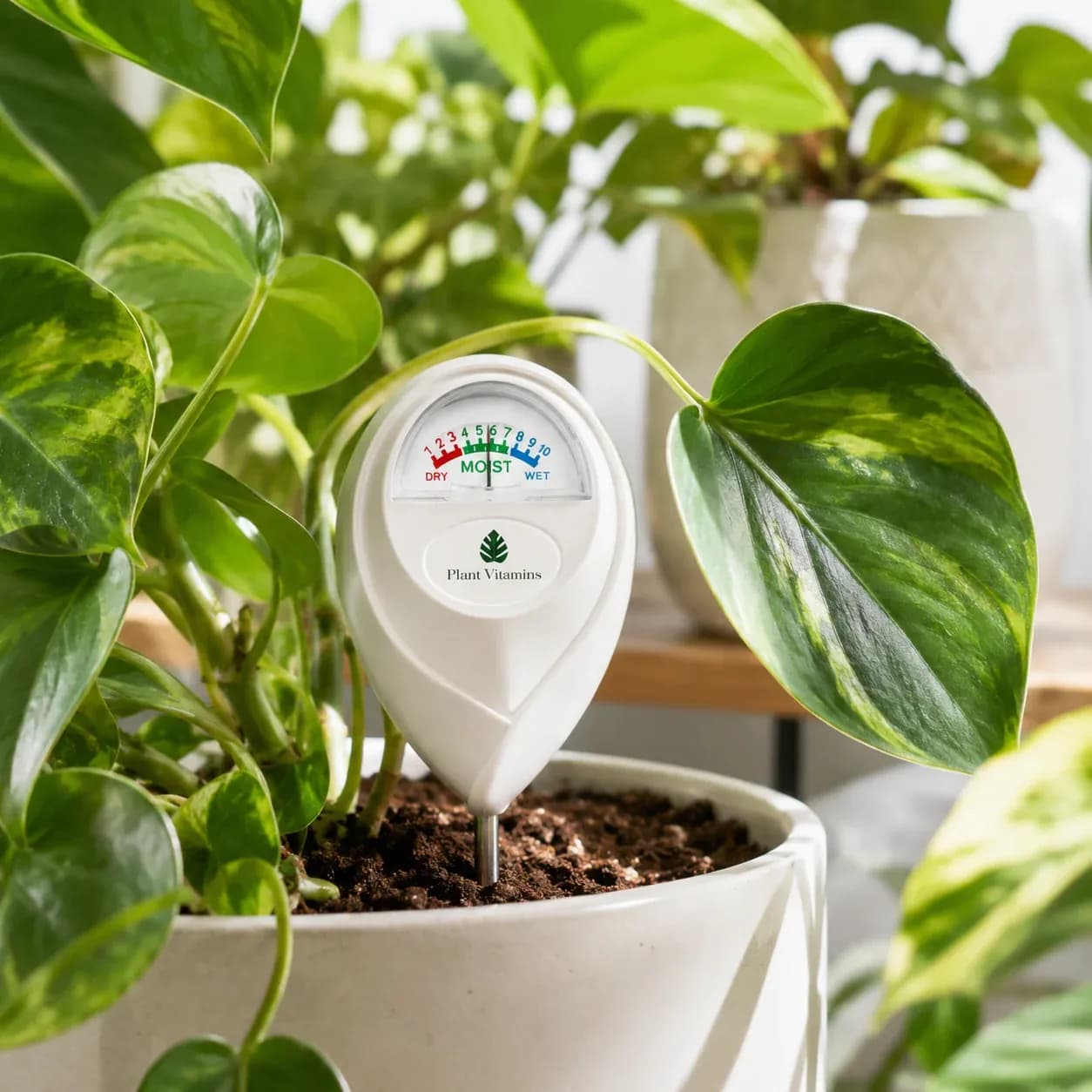
Watering by feel kills plenty of houseplants. A moisture meter checks the soil for you, and takes the guesswork out of it. This guide will show you how to use it correctly, from the first touch to the final reading.
5 min read · 12 Nov 2026
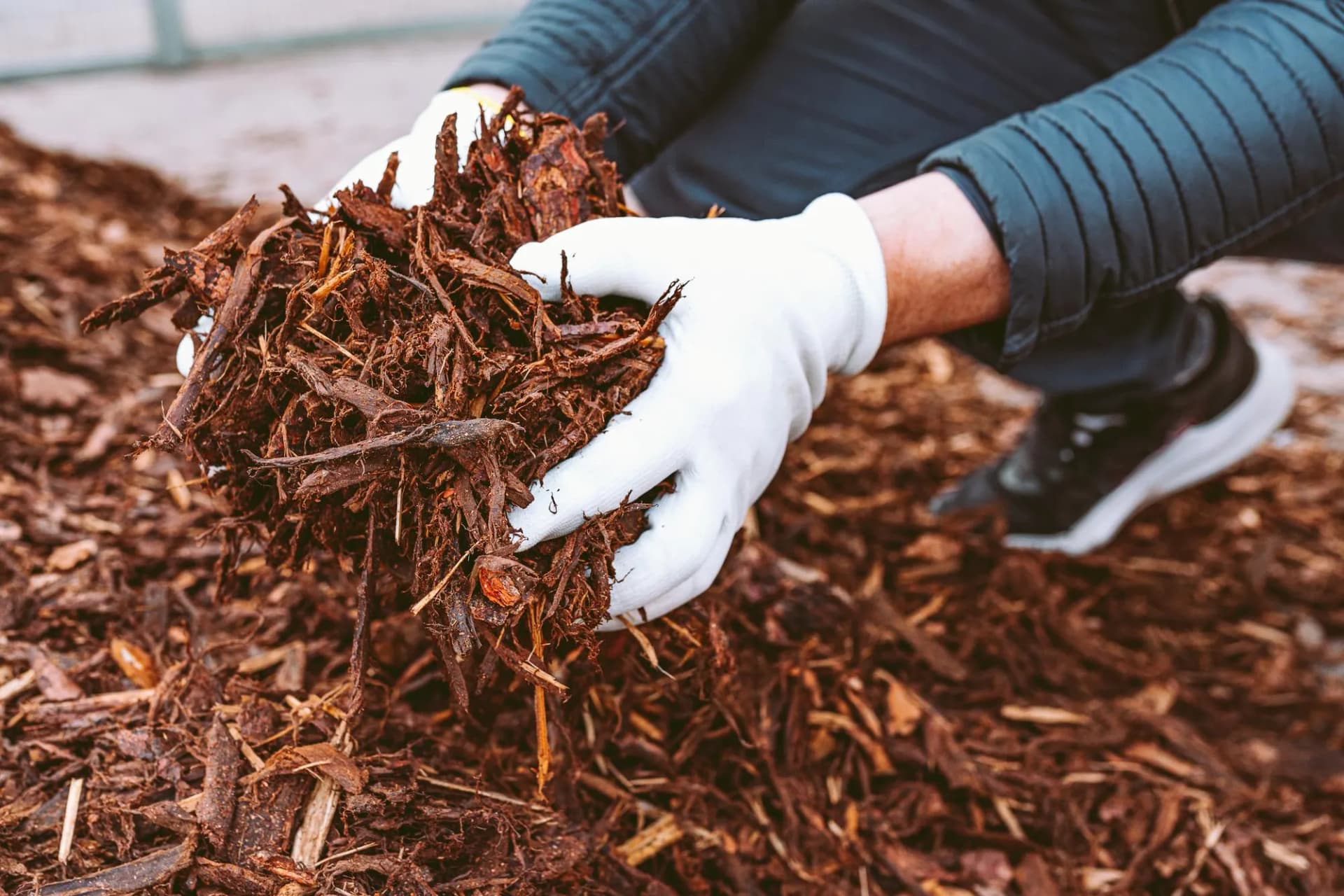
In the fall, mulch gives the roots of trees and shrubs insulation and more stable conditions through winter. In the spring, it mainly suppresses weeds and keeps moisture in the soil during the growing season.

9 min read · 17 Jul 2026
Dill is an easy-to-grow plant that gets along well with many vegetables. This guide describes 15 plants that can be planted alongside it, a few to avoid, and mistakes that can quietly sabotage the entire process.