steeplebush Care (Spiraea tomentosa)

Also known as: hardhack, Rosy Meadowsweet
steeplebush

About steeplebush

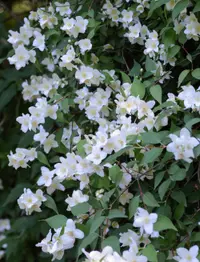
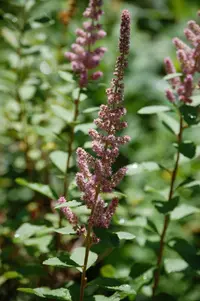
Steeplebush (Spiraea tomentosa) is a small, deciduous shrub known for its upright wands of pink flower spikes that appear in mid to late summer. Its stems are often reddish, and the leaves are softly hairy with a grayish underside, giving the plant a slightly fuzzy look.

This species is native to wet meadows, bogs, and stream edges in eastern North America, where it forms thickets in consistently moist soils. It is generally easy to grow in gardens with full sun to light shade and evenly moist, acidic soil, so learning how to care for steeplebush is straightforward for most gardeners.

Main Plant Requirements

Care Difficulty

Easy Care

Light Preference

Full Sun

Water Requirements

Keep Soil Moist

Temperature Preference

Cold Hardy

Hardiness Zone

3–8

Soil Texture

Loamy, Silty, Organic-rich

Soil pH

Strongly acidic (4.5–5.5), Acidic (5.5–6.5)

Soil Drainage

Moist but well-drained

Fertilization

Minimal (feed rarely)

Get Personalized Care Plan

Scan your plant to receive care tips personalized for your specific plant

Available on iOS and Android

How to Care for the steeplebush

Spiraea tomentosa thrives in bright outdoor conditions with several hours of direct sun each day.

  • Provide 6–8 hours of direct sun, with at least 3–4 hours of gentle morning sun preferred for strongest flowering.
  • Plant in full sun to light partial shade; it tolerates afternoon shade but flowering and stem strength decrease in deep shade.
  • Watch for stress: in very hot regions, harsh afternoon sun can scorch leaves, so pair full sun with consistent soil moisture and mulch to protect roots.

This moisture-loving shrub prefers consistently damp but not waterlogged soil.

  • Aim for soil that stays evenly moist; in the growing season, water when the top 2–3 cm feel just slightly dry, especially during rain-free periods.
  • Use soil with good drainage but high organic matter so Spiraea tomentosa can access moisture without sitting in standing water.
  • Monitor for stress: limp, browning leaf edges indicate underwatering, while yellowing leaves and soft stems suggest overwatering or poorly drained soil.

This hardy shrub tolerates a wide outdoor temperature range but grows best in moderate conditions.

  • Optimal growth occurs around 60–75°F (16–24°C) during spring and early summer, when new shoots and flower spikes develop most actively.
  • Mature plants handle winter cold well, often down to about -20°F (-29°C) when fully dormant in the ground with mulched roots.
  • In summer heat above 90°F (32°C), flowering may slow; maintain soil moisture and mulch to reduce root-zone temperature and stress.

Humidity is rarely a concern for Spiraea tomentosa grown outdoors.

  • Performs well in 30–70% humidity, typical of most temperate outdoor climates.
  • Tolerates dry air and wind without leaf drop, as long as soil moisture is consistent.
  • Humidity stress is uncommon; leaf scorch usually indicates drought or heat, so prioritize even soil moisture over air humidity adjustments.

Spiraea tomentosa prefers consistently moist, organic-rich soil with stable structure.

  • Use a loamy or silty soil high in organic matter, such as garden soil amended with 30–40% compost.
  • Aim for slightly acidic to neutral pH around 5.5–7.0 to support nutrient uptake and root health.
  • Ensure slow but steady drainage; avoid sites with standing water yet keep soil from drying into hard, compacted clods.
  • Improve aeration and water movement by mixing in fine pine bark, leaf mold, or coarse sand in heavier clay soils.

This species can be grown in containers if moisture and stability are carefully managed.

  • Choose a wide, heavy container to counterbalance upright flower spikes and prevent tipping in wind.
  • Use a deep pot that allows 25–35 cm of root depth so the root system stays cool and evenly moist.
  • Select a material like thick ceramic or composite that moderates evaporation, since small plastic pots dry too quickly for this moisture-loving shrub.

This native shrub needs only light feeding in average garden soil, so caring for steeplebush should focus on soil health rather than heavy fertilizer use.

  • Apply a thin layer of compost or well-rotted manure around the root zone in early spring to support steady growth.
  • Where soil is poor, use a balanced slow-release granular fertilizer (around 10-10-10) once in spring.
  • Use fertilizer at half the label rate to avoid overly lush, weak growth and reduced flowering.
  • Stop feeding by late summer and do not fertilize in winter dormancy.

Pruning Spiraea tomentosa maintains a tidy shape and supports strong flowering on new wood.

  • Cut back spent flower spikes and the top third of stems in late winter or very early spring before new growth starts.
  • Remove dead, diseased, or crossing branches at the base using clean, sharp bypass pruners.
  • Thin crowded interior stems to improve air flow and light penetration, which helps reduce disease.
  • Every 3–4 years, rejuvenate by removing several of the oldest stems at ground level to encourage fresh shoots.

This shrub is usually grown in the ground, so focus on transplanting rather than container repotting.

  • Transplant in early spring or fall when temperatures are mild and soil is workable.
  • Shift or divide plants that show poor vigor, crowding, or bare centers after several years in one spot.
  • Dig a wide planting hole, keep the root ball intact, and set the crown at the same soil level to limit stress.
  • Water thoroughly after transplanting, then maintain consistent moisture and a 5–7 cm mulch layer while roots re-establish.

Spiraea tomentosa is commonly propagated by softwood cuttings, division, or seeds.

  • Take softwood cuttings in late spring to early summer, use a rooting hormone, and place in moist, well-drained medium under high humidity.
  • Divide established clumps in early spring or fall, replanting divisions at the same depth and watering well.
  • Sow fresh seed in fall outdoors or use cold stratification in a refrigerator for 8–12 weeks before spring sowing.
  • Provide bright, indirect light and even moisture for cuttings or seedlings until roots are well developed.

This species is hardy in cold climates and usually needs minimal winter care in the ground.

  • Tolerates freezing temperatures once established, so no stem wrapping is typically required.
  • Apply a 5–8 cm layer of organic mulch over the root zone in late fall, keeping it slightly away from stems.
  • For container-grown plants, move pots to a sheltered, unheated but frost-free or slightly protected area to prevent root freeze–thaw damage.

Care Tips

Encourage dense clumps

Cut back 1–2 of the oldest stems at ground level each late winter to stimulate new basal shoots and keep the shrub forming a dense, upright thicket rather than becoming open and woody.

Manage suckering spread

Install a 20–30 cm deep root barrier or periodically spade around the clump edge in early spring to limit rhizome spread and keep the planting from invading nearby beds or natural areas.

Time mowing for renewal

In naturalized plantings or meadow edges, mow or brush-cut the entire patch to 10–15 cm every 3–4 years in late winter to rejuvenate growth and maintain uniform height without individual hand pruning.

Use moisture as a tool

Site plants where soil stays consistently moist, such as the lower edge of a rain garden or near downspout outlets, to let their high water tolerance turn problem wet spots into stable, attractive vegetation.

Monitor for tip blight

Inspect shoot tips during humid summers for browning clusters and remove affected stems several cm into healthy wood, disposing of them off-site to reduce disease pressure when caring for steeplebush in dense plantings.

Common Pests and Diseases

Aphids

These insects cluster on young shoots and flower spikes, sucking sap and causing curling or distortion of new growth and sticky honeydew on stems and leaves.

Solution

Spray stems and undersides of leaves with a strong stream of water to dislodge colonies, then use insecticidal soap or a horticultural oil according to label directions, repeating as needed until populations are reduced and natural predators can keep them in check.

Spider mites

This pest thrives in hot, dry weather and causes fine stippling, dull foliage, and light webbing on leaves and between stems.

Solution

Rinse foliage thoroughly with water, including undersides of leaves, to knock off mites, then increase humidity around the shrub if possible and apply a horticultural oil or miticide labeled for ornamentals, making 2–3 treatments spaced several days apart.

Powdery mildew

This disease shows as white, powdery patches on leaves and young stems, sometimes causing leaf yellowing or distortion in dense, humid plantings.

Solution

Prune to open the shrub canopy and improve air movement, remove and discard heavily infected leaves, and apply a sulfur or potassium bicarbonate fungicide labeled for ornamental shrubs at the first sign of symptoms, especially during prolonged warm, humid periods.

Leaf spot

This disease produces small brown or purple spots on leaves that may coalesce, leading to premature leaf drop in wet seasons or poorly ventilated sites.

Solution

Remove and discard fallen leaves to reduce inoculum, avoid overhead watering that keeps foliage wet, and if spotting is severe in consecutive years, use a copper-based or chlorothalonil fungicide in early spring and during extended wet weather.

Interesting Facts

Bog and wetland specialist

This shrub naturally occurs in acidic bogs, fens, and wet meadows in eastern North America, showing a strong adaptation to consistently wet, low-nutrient soils that many other shrubs cannot tolerate.

Velvety summer foliage

Its leaves and young stems are covered with fine hairs that give a felted or woolly texture, especially on the undersides, which is the origin of the species name tomentosa, meaning densely hairy.

Late-season pollinator resource

The upright pink flower spikes appear in mid to late summer, often after many spring shrubs have finished blooming, providing an important nectar source for native bees, butterflies, and other pollinators during a seasonal gap.

Botan icon

Did you know?

This species can form extensive, dense colonies through suckering roots in open wetlands, which helps stabilize saturated soils but can also allow it to dominate large areas where natural disturbance such as flooding or fire is reduced.

FAQs about steeplebush

Poor flowering usually comes from too much shade, heavy pruning at the wrong time, or nutrient imbalance, especially excess nitrogen. Allow full establishment, prune right after flowering only, and use a balanced, slow‑release fertilizer if the soil is poor.

Grow Healthy Plants with Botan Care

Keep your plants happy and healthy with plant identification, disease detection, and easy care guidance.

Botan plant care app — identify plants on mobile

Explore More Plants