California hedgenettle Care (Stachys bullata)

California hedgenettle

About California hedgenettle

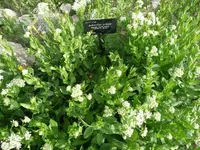
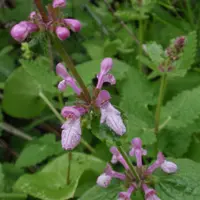
California hedgenettle, Stachys bullata, is a herbaceous perennial in the mint family, native to coastal and foothill regions of California. It typically forms upright clumps with softly hairy stems and textured, serrated leaves that release a mild scent when brushed.

The plant produces pink to purplish flower spikes that attract bees and other pollinators, making it useful in habitat and native gardens. Once established, it is relatively resilient, especially in suitable climates, so learning how to care for California hedgenettle is straightforward for most gardeners.

It usually prefers sun to light shade, moderately moist but well-drained soil, and benefits from conditions that mimic its natural woodland and coastal scrub environments.

Main Plant Requirements

Care Difficulty

Moderate Care

Light Preference

Partial Sun

Water Requirements

Moderate Water

Temperature Preference

Warm Climate

Hardiness Zone

8–10

Soil Texture

Sandy, Loamy, Organic-rich

Soil pH

Acidic (5.5–6.5), Slightly acidic (6.5–7.0)

Soil Drainage

Well-drained

Fertilization

Minimal (feed rarely)

Get Personalized Care Plan

Scan your plant to receive care tips personalized for your specific plant

Available on iOS and Android

How to Care for the California hedgenettle

This coastal native prefers bright, gentle light similar to open woodland edges.

  • Provide 4–6 hours of morning sun with light afternoon shade; in hotter inland areas, give dappled or filtered light most of the day.
  • California hedgenettle tolerates partial shade, but in less than 3–4 hours of bright light it becomes leggy and flowers sparsely.
  • In summer, protect from intense midday sun to avoid leaf scorch; in winter, prune overhanging plants lightly to maintain access to low-angle sunlight.

This species prefers evenly moist, well-drained soil that never stays soggy for long.

  • Water when the top 3–5 cm of soil feels dry, applying a deep soak so moisture reaches the root zone, then allow excess to drain away.
  • Reduce watering in cool seasons, especially during rainy periods, and increase slightly during hot, dry spells or windy conditions.
  • Signs of overwatering include yellowing, soft stems, and a sour smell from the soil; curling, dull leaves and dry, crumbly soil indicate underwatering for Stachys bullata.

This plant thrives in mild, coastal-type climates with cool, damp winters and warm, dry summers.

  • Active growth is best at 60–75°F (16–24°C), where foliage remains dense and flowering is strongest.
  • Mature plants tolerate brief drops to about 25°F (−4°C), but repeated hard frosts below this can damage stems and buds.
  • In summer, it handles dry heat up to about 90–95°F (32–35°C) if soil moisture is maintained; extended hotter periods increase stress and may cause leaf scorch.

This species handles a fairly wide humidity range but prefers moderately moist air.

  • Aim for 40–60% humidity, which matches the conditions of many coastal and foothill areas where California hedgenettle naturally occurs.
  • Tolerates brief drier indoor air, but prolonged <30% humidity can crisp leaf edges and reduce vigor.
  • Increase humidity outdoors by grouping plants and using mulch around the container or bed to slow surface drying.

Stachys bullata prefers loose, well-aerated soils that drain quickly yet hold some moisture.

  • Use a sandy or loamy base enriched with 20–30% compost to support root growth and moderate moisture retention.
  • Ensure fast drainage by blending coarse sand or fine gravel with the native soil, especially in heavier sites.
  • Target a slightly acidic to neutral pH around 6.0–7.2, avoiding strongly alkaline or saline soils.
  • Avoid compacted clay, standing water, or thick bark-only mixes that stay wet and exclude air from roots.

This species can grow successfully in containers when moisture and stability are managed carefully.

  • Choose a wide, relatively shallow pot to accommodate its spreading root system and reduce tipping in wind.
  • Select a heavier material like ceramic or thick-walled terracotta to stabilize the plant once top growth becomes dense.
  • Fill the pot with a coarse, fast-draining mix and keep the soil level slightly below the rim to prevent runoff loss during deep watering.

This native perennial generally needs minimal feeding when grown in suitable soil but accepts light support in poor sites.

  • Apply a thin layer of garden compost or leaf mold around plants in early spring to boost organic matter.
  • If growth appears weak, use a balanced slow-release or liquid fertilizer at 1/2 strength once in mid-spring and again in early summer.
  • Avoid feeding in late summer or winter to prevent soft, frost-prone growth and to keep California hedgenettle compact.

Pruning Stachys bullata is mainly done to maintain a tidy, vigorous clump and support flowering.

  • In late winter or early spring, cut back old, dead stems to just above ground level with clean hand pruners.
  • During the growing season, remove spent flower spikes to reduce self-seeding and encourage a neater habit.
  • Thin out weak or crowded stems at the base to improve air flow and reduce fungal issues.
  • Disinfect tools when cutting diseased tissue to limit pathogen spread.

This species is usually grown in the ground, so focus on careful transplanting rather than frequent repotting.

  • Transplant in fall or early spring when temperatures are mild and soil is moist but not waterlogged.
  • Shift clumps only when overcrowded or when flowering and vigor decline, typically every 3–5 years.
  • Lift the plant with a broad root ball, keep roots shaded and moist, and replant at the same depth in well-drained soil.
  • Water deeply after planting, then keep soil evenly moist for 1–2 weeks to limit transplant shock.

Stachys bullata is commonly propagated by division, with seed used mainly for restoration or larger projects.

  • Divide established clumps in fall or early spring, ensuring each section has healthy shoots and roots.
  • Replant divisions immediately in well-drained soil, then water thoroughly and keep evenly moist until new growth appears.
  • Sow seeds in fall or use cold stratification, then provide bright light and lightly moist soil for germination.
  • Label wild-collected material carefully and avoid disturbing natural populations without appropriate permissions.

This perennial is generally hardy in mild coastal climates and needs little structured winter care.

  • In regions with occasional frost, apply a 5–8 cm layer of organic mulch around the root zone in late fall.
  • Allow top growth to die back naturally, then remove dead stems in late winter to reduce disease carryover.
  • Container-grown plants in colder inland areas can be moved to a sheltered, unheated space to avoid root freeze.

Care Tips

Encourage Dense Clumps

Cut back spent flowering stems to just above the foliage after bloom to redirect energy into new basal shoots and keep the plant forming dense, tidy clumps rather than becoming lanky.

Edge Containment Strategy

In small gardens, install a shallow root barrier or use a narrow edging spade once or twice a year to slice around the patch and prevent rhizomes from creeping into paths or neighboring plantings.

Targeted Weed Suppression

Allow established plants to knit together into a low colony and lightly top-dress with fine gravel or bark around, not on, the crowns to suppress annual weeds without smothering new shoots.

Pollinator-Friendly Deadheading

When managing seed spread, deadhead only part of the stand and leave some flower spikes to set seed so native pollinators still have a foraging resource while you control self-sowing.

Drought-Readiness Training

In the first 1–2 growing seasons, deepen the root system by watering less often but thoroughly, then gradually lengthen the interval between irrigations so the patch is better adapted to dry-summer conditions typical when growing California hedgenettle.

Common Pests and Diseases

Aphids

This pest often clusters on tender shoots and flower spikes, sucking sap and causing distortion, sticky honeydew, and sooty mold on California hedgenettle. Symptoms include curled or stunted new growth and presence of small soft-bodied insects on stems and buds.

Solution

Rinse stems and flower spikes thoroughly with a strong but controlled stream of water, then repeat every few days until numbers drop. For heavier infestations, spot-treat colonies with insecticidal soap or a ready-to-use neem oil spray, applying in the early morning and ensuring good coverage of stems and the undersides of leaves.

Leafhoppers

These insects feed on leaves and stems, causing pale stippling, small necrotic spots, and sometimes leaf curling on Stachys bullata in dry, open sites. This pest is very mobile and often noticed as small jumping insects when the plant is disturbed.

Solution

Reduce weedy vegetation and tall grass around plantings to limit shelter for leafhoppers, and use a strong spray of water to knock them off the plant. In persistent cases, apply an insecticidal soap or low-impact pyrethrin spray in the evening, directing it at the undersides of leaves where the insects rest.

Powdery mildew

This disease appears as white to gray powdery patches on leaves, often starting on the upper surfaces, leading to yellowing and eventual leaf drop in crowded or shaded stands. Symptoms include reduced vigor and a dull, dusty look to the foliage.

Solution

Improve air circulation by thinning crowded stems and avoiding overhead watering late in the day, then remove and dispose of heavily infected leaves. If needed, apply a sulfur-based or potassium bicarbonate fungicide labeled for powdery mildew, coating both upper and lower leaf surfaces and repeating as directed during humid periods.

Rust

This disease causes small orange to brown pustules on the undersides of leaves and pale or yellow spots on the upper surfaces, especially in coastal or foggy conditions. Symptoms include premature leaf drop and a general decline in plant appearance if left unmanaged.

Solution

Promptly remove and discard affected leaves and any fallen plant debris to reduce spore levels, and water at soil level instead of overhead. In recurring cases, apply a copper-based fungicide or other rust-labeled product, focusing on the lower leaf surfaces and reapplying during extended damp weather according to label instructions.

Spider mites

This pest becomes more common on California hedgenettle in hot, dry conditions, causing fine stippling, dull or bronzed foliage, and delicate webbing between leaves and stems. Symptoms include slowed growth and leaves that feel dry or rough to the touch.

Solution

Increase humidity around the plants with regular hosing of foliage and keep the soil adequately moist, then wash affected stems and leaf undersides with a firm spray of water every few days to dislodge mites. If populations remain high, use insecticidal soap or horticultural oil, thoroughly coating the undersides of leaves and repeating treatments as new mites hatch.

Interesting Facts

California coastal specialist

This species is native to coastal and near-coastal regions of central and southern California, where it often grows in chaparral, coastal scrub, and openings in oak woodland on well-drained, often sandy or rocky soils.

Hairy leaves and stems

The leaves and stems are densely covered with soft hairs, a trait that helps reduce water loss and offers some protection from herbivores in its seasonally dry Mediterranean-type climate.

Bee-pollinated mint relative

As a member of the mint family (Lamiaceae), it has two-lipped pink to purplish flowers arranged in whorls along the stem that are especially attractive to native bees and other insect pollinators.

FAQs about California hedgenettle

This species spreads by seed and short rhizomes, forming patches over time but is usually not aggressively invasive in its native-type conditions. In small beds, edging, dividing clumps, or root-barrier strips help keep growth contained.

Grow Healthy Plants with Botan Care

Keep your plants happy and healthy with plant identification, disease detection, and easy care guidance.

Botan plant care app — identify plants on mobile

Explore More Plants