Florida hedgenettle Care (Stachys floridana)

Also known as: Florida betony
Florida hedgenettle

About Florida hedgenettle

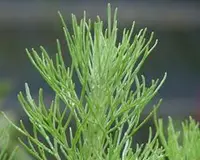
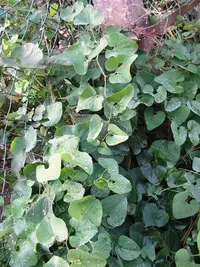
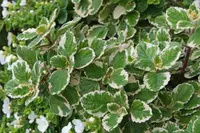
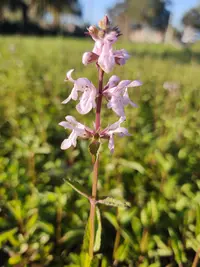
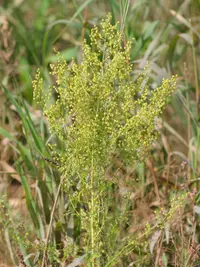
Florida hedgenettle (Stachys floridana) is a perennial herb in the mint family, known for its square stems, opposite leaves, and clusters of small pink to purple flowers. It spreads mainly by underground tubers, often forming dense patches that can behave like a groundcover or a mild lawn weed.

This species is native to the southeastern United States, especially Florida, and is often found in disturbed sites, roadsides, and moist, open areas. It is usually easy to grow where winters are mild, as long as the soil is reasonably moist and there is at least partial sun. Understanding how to care for Florida hedgenettle focuses mostly on managing its spread rather than keeping it alive.

Main Plant Requirements

Care Difficulty

Easy Care

Light Preference

Full Sun

Water Requirements

Regular Water

Temperature Preference

Warm Climate

Hardiness Zone

8–11

Soil Texture

Sandy, Loamy, Organic-rich

Soil pH

Acidic (5.5–6.5), Slightly acidic (6.5–7.0)

Soil Drainage

Moist but well-drained

Fertilization

Minimal (feed rarely)

Get Personalized Care Plan

Scan your plant to receive care tips personalized for your specific plant

Available on iOS and Android

How to Care for the Florida hedgenettle

This sun-loving perennial needs several hours of bright outdoor light for dense, healthy growth.

  • Provide 4–6 hours of direct sun, ideally morning sun with light afternoon shade, as strong late-day summer sun can scorch foliage.
  • Florida hedgenettle also grows in bright partial shade, but stems may elongate and flowering can decrease if it receives less than 3–4 hours of direct or filtered sun.
  • In hot climates, shift exposure seasonally: more open sun in cooler months, then protect with dappled shade under taller plants in midsummer.

This plant prefers evenly moist but not saturated soil and tolerates short dry spells once established.

  • Allow the top 3–5 cm of soil to dry between waterings; soil should feel slightly dry at the surface but still cool and faintly moist below.
  • In active growth and hot weather, monitor Stachys floridana every few days for wilting or drooping, then water deeply so moisture penetrates 15–20 cm into the root zone.
  • Reduce watering in cooler months when growth slows, and watch for overwatering signs such as yellowing lower leaves, soft stems, or sour soil smell.

This species favors warm, frost-free conditions and behaves as a tender perennial in mild climates.

  • Optimal growth occurs around 70–85°F (21–29°C), where stems spread rapidly and foliage stays lush through the growing season.
  • Plants tolerate brief dips to about 25–30°F (-4 to -1°C), but repeated or hard freezes can damage tops, with regrowth mainly from protected underground parts.
  • In hot summers above 90–95°F (32–35°C), provide extra soil moisture and light shade to limit heat stress and leaf scorch, especially in exposed sites.

This species tolerates a wide humidity range and usually does not need special humidity management.

  • Florida hedgenettle grows well at 30–60% humidity, similar to most outdoor conditions in its range.
  • Dry air rarely harms plants if soil moisture is consistent and roots are not stressed by drought.
  • True humidity stress appears as crispy leaf edges combined with very dry soil, so address watering first rather than air moisture.

Stachys floridana prefers loose, well-drained soil that does not stay waterlogged.

  • Use a sandy or loamy mix with 30–40% compost to support tuber growth while keeping the structure crumbly.
  • Ensure rapid drainage by adding coarse sand or perlite at 20–30% of the mix, especially in heavy native soils.
  • Aim for slightly acidic to neutral pH, roughly 6.0–7.2, avoiding strongly alkaline or saline conditions that reduce vigor.
  • Avoid compacted clay or constantly wet sites, which promote rot in the rhizomes and reduce oxygen around the roots.

This species can be grown in containers but spreads, so the setup must control its rhizomes.

  • Choose a wide, at least 25–30 cm diameter pot to allow lateral rhizome growth while keeping it contained.
  • Use a rigid pot material, such as thick plastic or ceramic, to resist bulging from vigorous underground spread.
  • Elevate the container slightly on feet or bricks so drainage holes clear easily and runoff does not pool under the pot.

This vigorous native herb usually needs minimal feeding, especially in reasonably fertile garden soil.

  • If growth is weak on poor soil, apply a light top-dressing of compost once in spring.
  • For container-grown Florida hedgenettle, use a balanced, slow-release fertilizer (for example 10-10-10) at half label strength in spring.
  • In the growing season, one additional light feeding with diluted balanced liquid fertilizer is enough.
  • Withhold fertilizer in fall and winter to avoid soft, frost-sensitive growth.

Pruning helps keep Stachys floridana dense, manageable, and less invasive in garden settings.

  • Cut back spent flowering stems in late spring or early summer to encourage fuller growth.
  • Remove dead, damaged, or diseased foliage whenever seen using clean, sharp hand pruners or scissors.
  • Thin crowded stems at ground level to reduce spread and improve air flow around plants.
  • Shear or mow back top growth at the end of the season if a tidier outline is desired.

This plant is typically grown in the ground, where occasional transplanting controls spread and renews growth.

  • Plan transplanting for early spring or early fall, when temperatures are mild and soil moisture is steady.
  • Lift and move clumps when growth becomes too dense, bare in the center, or invades nearby plantings.
  • For container plants, shift to a slightly larger pot only when roots circle the container or growth slows noticeably.
  • Reduce root stress by watering well before and after moving, shading for a few days, and trimming damaged roots.

Stachys floridana spreads strongly on its own, and propagation is usually done by division or pieces of its tuberous roots.

  • Divide established clumps in early spring, replanting healthy sections with several shoots and roots attached.
  • Lift and separate tubers, then replant them 5–8 cm deep in loose, well-drained soil.
  • Take short stem sections with nodes, plant horizontally in moist substrate, and keep evenly damp until rooted.
  • Sow seeds in spring on the soil surface; provide light, consistent moisture, and mild warmth for germination.

In mild climates this species is generally winter hardy and needs little special care once established.

  • In areas with occasional light frost, an autumn mulch layer of 3–5 cm helps insulate the root zone.
  • Allow top growth to die back naturally; it helps shield underground parts from temperature swings.
  • For container-grown plants in colder regions, move pots to a sheltered, frost-free but cool location.

Care Tips

Control Spreading Rhizomes

Install a 20–30 cm deep root barrier or grow in large containers sunk into the ground to keep the aggressive rhizomes from invading nearby beds and lawns.

Targeted Patch Renewal

Every 2–3 years, lift and thin crowded patches in late fall or winter, replanting only the youngest, firm rhizomes to keep stands vigorous and easier to manage.

Weed-Safe Groundcover

Use the dense growth habit to suppress weeds in problem areas, but edge the planting annually with a spade to maintain a defined boundary and prevent escape into natural areas.

Monitor Underground Storage

When cultivating or digging, remove and discard any soft, diseased, or damaged tubers and rhizomes so that only healthy underground parts remain to regrow.

Integrated Pest Scouting

In warm, moist climates, inspect foliage and stems every 1–2 weeks for aphids, leafhoppers, and mite damage, combining hand removal, strong water sprays, and spot treatments with insecticidal soap as needed when caring for Florida hedgenettle.

Common Pests and Diseases

Reniform nematodes

This pest attacks the roots and underground tubers, causing stunting, yellowing, and poor stand development in patches. Symptoms include weak growth despite adequate moisture and nutrients.

Solution

Rotate away from susceptible crops in infested ground for several years, remove and destroy heavily infested Florida hedgenettle clumps, and avoid moving contaminated soil on tools or machinery. In production or heavily affected areas, use resistant rotation crops, deep tillage to expose nematodes, and organic soil amendments such as composted manure to support beneficial soil organisms that suppress nematode populations.

Foliar leaf spots

This disease causes small tan to dark brown spots on leaves that may coalesce, leading to premature yellowing and leaf drop, especially in dense roadside or field colonies. Symptoms include more severe spotting in wet, crowded conditions.

Solution

Remove and discard heavily spotted foliage to reduce inoculum, and avoid overhead irrigation that keeps leaves wet for long periods. Improve spacing and air movement, water at soil level in managed plantings, and if needed apply a labeled broad-spectrum fungicide to surrounding crops or ornamentals rather than directly to wild stands.

Rust

This disease produces orange to brown powdery pustules on the undersides of leaves, sometimes with yellow areas visible on the upper leaf surface. Symptoms include gradual weakening of plants and reduced vigor when infection is heavy.

Solution

Cut back and destroy infected stems and foliage to remove the primary source of spores, and encourage rapid drying by limiting overhead watering and reducing dense shade. In crop borders or intentionally grown patches, keep plants thinned, avoid excessive nitrogen, and use a labeled rust-active fungicide only if cultural methods fail and nearby crops are at risk.

Spider mites

These insects feed on leaf undersides, causing fine speckling, dulling of foliage, and in severe cases webbing across stems, especially during hot, dry periods. This pest can slow growth and cause partial dieback of tender shoots.

Solution

Spray foliage thoroughly with a strong stream of water to knock mites off and remove webbing, focusing on leaf undersides. In persistent infestations, increase humidity around plants where feasible, remove badly damaged stems, and apply insecticidal soap or horticultural oil according to label directions, repeating as needed to target new hatchlings.

Aphids

These insects cluster on young stems and buds, sucking sap and causing curling or distortion of new growth while leaving sticky honeydew that can attract sooty mold. Symptoms include slowed growth and sometimes ant activity around colonies.

Solution

Crush or rinse off colonies by hand or with a firm water spray, targeting shoot tips and the undersides of leaves. To prevent rebound, encourage natural predators such as lady beetles, remove heavily infested stems, and if necessary use insecticidal soap or a light horticultural oil, repeating applications until populations stay low.

Interesting Facts

Tuber forming habit

This species produces underground tubers on the ends of its rhizomes, which store carbohydrates and allow the plant to resprout after disturbance or drought.

Invasive in croplands

Outside its native range in the southeastern United States, it behaves as an agricultural weed, especially in fields of row crops like peanuts and vegetables, where its tubers make it difficult to eradicate.

Seasonal dieback pattern

In many regions the foliage dies back in winter while the underground tubers remain alive, leading to dense new shoots emerging from the same area in spring and contributing to its spreading growth pattern.

FAQs about Florida hedgenettle

This species spreads vigorously through underground tubers and surface stolons. In loose, moist soil it can quickly form dense patches. Root barriers, deep edging, and regular digging of wandering shoots help prevent unwanted spread in garden beds or lawns.

Grow Healthy Plants with Botan Care

Keep your plants happy and healthy with plant identification, disease detection, and easy care guidance.

Botan plant care app — identify plants on mobile

Explore More Plants