Stenocactus coptonogonus Care

Stenocactus coptonogonus

About Stenocactus coptonogonus

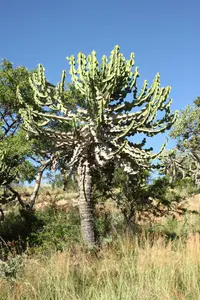
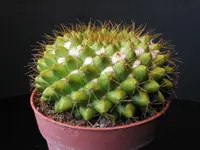
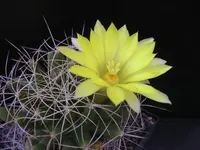
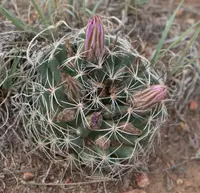
Stenocactus coptonogonus is a small desert cactus known for its strongly ribbed, helmet-shaped body and compact size. The ribs are narrow and wavy, lined with short, stiff spines that protect the plant from sun and herbivores.

It is native to arid regions of central Mexico, where it grows in rocky, well-drained soils with intense light and low rainfall. In cultivation, it stays relatively small and slow-growing, which makes it suitable for container culture and small indoor collections.

Understanding how to care for Stenocactus coptonogonus is straightforward once its desert origin is kept in mind, as it prefers bright light, infrequent watering, and a gritty, fast-draining mineral substrate.

Main Plant Requirements

Care Difficulty

Moderate Care

Light Preference

Full Sun

Water Requirements

Low Water

Temperature Preference

Tropical / Frost Sensitive

Hardiness Zone

10–11

Soil Texture

Sandy, Loamy, Rocky

Soil pH

Slightly acidic (6.5–7.0), Neutral (7.0)

Soil Drainage

Well-drained

Fertilization

Minimal (feed rarely)

Get Personalized Care Plan

Scan your plant to receive care tips personalized for your specific plant

Available on iOS and Android

How to Care for the Stenocactus coptonogonus

This desert cactus prefers bright, direct sun but benefits from some protection in intense afternoon conditions.

  • Provide 6–8 hours of direct morning to early afternoon sun, with light afternoon shade in very hot, dry climates to prevent scorch on Stenocactus coptonogonus ribs.
  • Plant in an open, south- or east-facing position; in partial shade, ensure at least 4 hours of direct sun to avoid weak, elongated growth.
  • In summer, slowly acclimate plants moved from shade to full sun over 10–14 days; in winter, accept lower light but keep exposure as bright as possible.

This cactus stores water in its stem and must dry well between waterings to avoid rot.

  • Water only when the top 3–5 cm of soil are completely dry; in active growth, this may mean deep watering every 10–21 days in hot, dry weather.
  • Use very fast-draining, gritty soil and a site that never pools water; prolonged wetness around the roots is the main cause of Stenocactus coptonogonus decline.
  • Reduce watering sharply in winter, giving only light sips every 4–6 weeks if the stem wrinkles slightly, and stop immediately if the soil stays cool and damp.

This species prefers warm, dry conditions with a cool but not freezing winter rest.

  • Aim for 70–85°F (21–29°C) during active growth, with good air movement to help the roots and stem resist fungal problems.
  • Protect from temperatures below 40°F (4°C); short dips to 32°F (0°C) may be survived if the soil is completely dry, but frost can scar tissue or kill young plants.
  • In hot spells above 95°F (35°C), increase shade during the harshest afternoon hours and ensure excellent ventilation to limit heat stress and sunburn.

This cactus handles typical indoor humidity well and rarely needs special adjustment.

  • Ideal humidity is 30–50%, matching most heated homes and dry climates.
  • Dry air is usually tolerated; true humidity stress shows as shriveling despite suitable light and watering.
  • If air is extremely dry and hot, increase humidity slightly by grouping plants together rather than misting the Stenocactus coptonogonus.

This species needs a very fast-draining, mineral-rich substrate that dries quickly between waterings.

  • Use a gritty, sandy mix such as 50–70% inorganic material (pumice, coarse sand, or small gravel) with 30–50% cactus potting mix.
  • Aim for slightly acidic to neutral pH around 6.0–7.0, which supports root function without encouraging nutrient lockout.
  • Improve aeration by using larger mineral particles (3–6 mm) and avoiding fine peat that compacts and holds excess water.
  • Do not use dense, moisture-retentive mixes or pure garden soil, which promote root rot and suffocation in Stenocactus coptonogonus.

This species is well suited to container growing when the pot is chosen to control moisture and root space.

  • Select a wide, shallow pot so the relatively small root system can dry evenly and not sit in a wet lower zone.
  • Choose unglazed terracotta if extra evaporation is needed in cool or humid climates, as it pulls moisture from the mix.
  • Place the pot on a slight incline or pot feet so drainage holes clear fully and no water pools under the container.

This desert cactus needs only light feeding to support steady growth in containers.

  • Use a diluted balanced liquid cactus fertilizer (around 10-10-10) at 1/4–1/2 strength in spring and summer only.
  • Apply every 4–6 weeks during active growth, onto already moist soil to avoid root burn.
  • Avoid compost-rich mixes or frequent slow-release products, which can cause soft, weak tissue in Stenocactus coptonogonus.
  • Stop feeding entirely in fall and winter to maintain a cool, dry dormancy.

Stenocactus coptonogonus needs almost no pruning beyond basic hygiene.

  • Best time for any work is late spring to mid-summer, when healing is fastest.
  • Remove only dead, diseased, or rotten tissue using sharp, disinfected scissors or a knife.
  • Trim dried flower remains if desired, cutting close to the base without injuring ribs.
  • Avoid shaping cuts; heavy pruning scars permanently and does not improve flowering or growth.

This cactus prefers a snug pot and infrequent disturbance, so repot only when clearly needed.

  • Repot every 3–5 years, or when roots circle the pot, drain holes clog, or growth slows despite good light.
  • Plan repotting for late spring, using a slightly larger terracotta pot and very gritty, fast-draining cactus mix.
  • Stop watering 5–7 days before repotting, then gently loosen the root ball and remove old, soggy soil.
  • After repotting Stenocactus coptonogonus, keep dry for 7–10 days, then resume light watering to reduce root stress.

This species is usually propagated from seed, as it rarely offsets and cuttings are not practical.

  • Sow fresh seeds in late spring under bright, indirect light and warm conditions around 70–80°F.
  • Use a sterile, very fine, gritty mix kept slightly moist, not wet, to reduce damping-off disease.
  • Cover seeds lightly, enclose the tray or pot in a clear lid or bag for humidity, and ventilate regularly.
  • Once seedlings develop several ribs and firm tissue, gradually reduce humidity and increase light intensity.

Cool, dry winter rest is important for compact growth and flowering in Stenocactus coptonogonus.

  • Keep indoor temperatures around 45–55°F in winter, avoiding frost and cold drafts near windows.
  • Provide maximum light indoors, such as a bright south-facing windowsill or supplemental grow light.
  • Withhold watering almost completely; give only a tiny sip if the body starts to shrivel deeply.
  • For outdoor containers in cold regions, move plants inside before temperatures drop near 40°F.

Care Tips

Protect the ribs

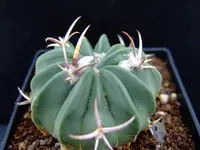
Place the pot where it will not be brushed or knocked, since the thin, high ribs and stiff spines damage easily and wounds on this cactus heal very slowly.

Use a clay pot

Grow the plant in a small, unglazed clay pot to increase evaporation from the sides of the container, which helps keep the root zone drier and reduces the risk of rot in heavy-ribbed stems.

Winter rest setup

From late autumn, move the plant to the brightest, coolest dry spot available (ideally 45–55°F and completely dry) to promote compact rib development and reliable spring flowering.

Targeted pest checks

Inspect the base of the ribs and between the spines with a flashlight every few weeks for mealybugs or scale, since their white bodies blend with the woolly areoles and are easy to miss on quick checks.

Potting angle control

When repotting, orient the plant so its flattest side faces the light source to keep growth even and prevent the body from leaning over as you focus on caring for Stenocactus coptonogonus long term.

Common Pests and Diseases

Mealybugs

This pest feeds on cactus ribs and areoles, appearing as white, cottony clusters in crevices between the pronounced ribs. Symptoms include stunted growth, sticky honeydew, and sooty mold on the epidermis.

Solution

Isolate the plant, then remove visible insects with a cotton swab dipped in 70% isopropyl alcohol, paying attention to deep folds between ribs. Improve light and airflow, and repeat spot treatment weekly until no new insects appear; for heavier infestations, use a labeled systemic insecticide for cacti according to package directions.

Red spider mites

These insects are tiny sap feeders that thrive on Stenocactus in hot, dry indoor air, causing a dull, grayish surface and fine webbing between ribs and spines. Symptoms include loss of the natural green color and a rough, dusty appearance on the skin.

Solution

Increase humidity slightly around the plant without wetting the crown, and rinse the cactus gently with lukewarm water to remove mites and webs while keeping the soil relatively dry. For persistent populations, apply a miticide or horticultural soap labeled for spider mites, repeating at 5–7 day intervals to break the life cycle.

Scale insects

This pest appears as small, hard, brown or gray bumps attached along the ribs and at the plant base, often blending with the rough, ribbed epidermis. Symptoms include yellowing patches, slowed growth, and sticky residue around the pot or shelf.

Solution

Manually scrape or lift off individual scales with a toothpick or cotton swab soaked in 70% isopropyl alcohol, taking care not to damage the epidermis. After mechanical removal, monitor closely and apply a systemic insecticide or horticultural oil suitable for cacti if new scales appear.

Corky scab lesions

This disease is a physiological or fungal-related disorder where brown, rough, cork-like patches develop on lower ribs, often after chronic overwatering or prolonged surface moisture. Symptoms include hardened, tan to dark-brown areas that do not rub off and may slowly expand but usually stay localized.

Solution

Reduce watering frequency so the soil dries fully between waterings and avoid splashing water on the body of the cactus. Remove only soft or actively rotting tissue with a sterile blade; leave dry, firm corking in place and focus on prevention by using a very fast-draining cactus mix and strong light.

Basal fungal rot

This disease often starts at the soil line when Stenocactus is kept too wet or too cool, leading to a soft, dark, or translucent base while the upper body may still look normal. Symptoms include a musty smell, plant leaning, and collapse as the rot progresses upward.

Solution

At the first sign of soft tissue, unpot the plant, cut away all affected areas with a sterile knife until only firm, healthy tissue remains, and dust cuts with a dry sulfur or copper-based fungicide. Allow the plant to callus in a dry, bright place for several days, then replant in fresh, sharply draining mix and resume very light watering only after new root growth is evident; understanding how to take care of Stenocactus coptonogonus helps prevent this issue from recurring.

Interesting Facts

Strong ribbing adaptation

This species develops very thick, strongly wavy ribs that can number fewer than in many related species, a structure that allows the stem to expand and contract noticeably as it stores and uses water in its arid native habitat in central Mexico.

Distinctive hooked spines

The plant typically produces stout, hooked central spines that curve over the ribs, helping shade the epidermis from intense sunlight and slightly reducing water loss at the stem surface.

Confusing taxonomic history

Stenocactus coptonogonus has a complex taxonomic history and has been placed in several genera (including Echinofossulocactus), reflecting how its unusual rib structure and spination have challenged botanists working to classify Mexican cacti.

FAQs about Stenocactus coptonogonus

Lack of blooms usually comes from insufficient light, too much water, or no cool, dry winter rest. Mature plants need strong sun, a slight temperature drop in winter, and lean feeding to set flower buds.

Grow Healthy Plants with Botan Care

Keep your plants happy and healthy with plant identification, disease detection, and easy care guidance.

Botan plant care app — identify plants on mobile

Explore More Plants