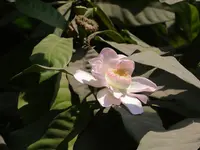
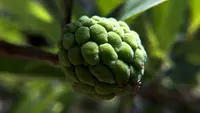
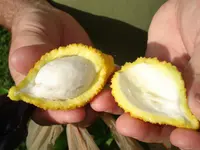
strychnine tree Care (Strychnos nux-vomica)

strychnine tree

About strychnine tree

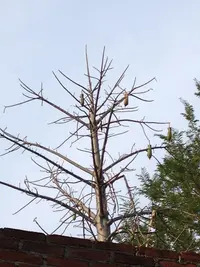
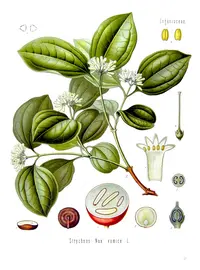
The strychnine tree, Strychnos nux-vomica, is a small to medium evergreen tree known for its glossy dark green leaves and hard, orange-colored fruits containing toxic seeds. It naturally occurs in South and Southeast Asia, often in dry forests and open woodland.

This species is grown mainly as a specialty or educational plant, not as a casual ornamental, due to its highly poisonous alkaloids such as strychnine. It can be challenging to manage safely, so anyone learning how to care for strychnine tree must respect strict handling and placement precautions.

In cultivation it prefers warm temperatures, bright light, and well-drained soil with steady but moderate moisture, plus protection from frost and strong cold winds.

Main Plant Requirements

Care Difficulty

Moderate Care

Light Preference

Full Sun

Water Requirements

Moderate Water

Temperature Preference

Tropical / Frost Sensitive

Hardiness Zone

11–12

Soil Texture

Sandy, Loamy, Organic-rich

Soil pH

Acidic (5.5–6.5), Slightly acidic (6.5–7.0)

Soil Drainage

Well-drained

Fertilization

Minimal (feed rarely)

Get Personalized Care Plan

Scan your plant to receive care tips personalized for your specific plant

Available on iOS and Android

How to Care for the strychnine tree

This species prefers strong, warm light similar to its native tropical habitat.

  • Provide 6–8 hours of direct sun daily, ideally with morning sun and light afternoon shade to protect foliage from scorching in very hot climates.
  • In hotter regions, give the strychnine tree filtered or dappled light during the harshest midday hours to reduce leaf burn and water stress.
  • In cooler seasons or mild coastal areas, it tolerates more full sun; in deep shade it grows sparse, with elongated shoots and fewer flowers.

Strychnos nux-vomica prefers evenly moist but never waterlogged soil.

  • Allow the top 3–5 cm of soil to dry before watering again, using a finger test rather than a fixed schedule.
  • Increase watering during hot, active growth periods when leaves may soften or slightly droop by late afternoon, and reduce it in cooler or dormant seasons.
  • Ensure deep, well-drained soil; symptoms of overwatering include yellowing leaves and sour-smelling soil, while crisp leaf edges and slow growth suggest underwatering.

This tropical tree thrives in consistently warm conditions without frost exposure.

  • Aim for average growing temperatures of 70–90°F (21–32°C), where Strychnos nux-vomica shows steady growth and reliable leaf production.
  • Protect the plant whenever temperatures approach 40°F (4°C); light frost can damage young shoots and repeated freezes can kill mature trees.
  • It tolerates short heat waves up to about 100°F (38°C) if soil moisture is adequate, but growth slows in prolonged cool spells below 60°F (16°C).

This species prefers moderately humid air but copes with typical indoor levels.

  • Aim for 40–60% humidity, with air movement to prevent fungal issues on leaves and stems.
  • Tolerates short dry spells, but prolonged very dry air can cause leaf edge browning and slow growth.
  • Increase humidity by grouping plants, placing the pot on a pebble tray with water, or running a nearby humidifier.

Provide a fast-draining, slightly fertile mix that mimics a light tropical soil.

  • Use a loose, sandy-loam style mix such as 40% peat-free compost, 30% coarse sand, and 30% perlite or fine bark.
  • Ensure sharp drainage so water moves through in seconds, not minutes, to reduce root rot risk.
  • Target a slightly acidic to neutral pH around 6.0–7.0, which suits Strychnos nux-vomica nutrient uptake.
  • Avoid heavy clay, compacted mixes, or those with large amounts of fine peat that hold water around the roots.

This tree can be grown in containers for many years if the pot is chosen and managed carefully.

  • Select a deep, wide container that allows a sturdy root system to anchor the tall, woody top growth.
  • Use a heavy or weighted pot material to reduce tipping as the trunk thickens and the canopy expands.
  • Raise the container on feet so drainage holes stay clear and runoff water does not wick back into the root zone.

Nutrient inputs support steady growth of Strychnos nux-vomica, especially in containers or poor soils.

  • Use a balanced NPK fertilizer (such as 10-10-10) or well-rotted compost during the active growing season.
  • Apply every 4–6 weeks in spring and summer for container plants; in-ground trees often need only light feeding.
  • Dilute liquid fertilizer to half strength to avoid root burn and water thoroughly afterward.
  • Reduce or stop feeding in fall and winter when growth slows, especially in cooler conditions.

Thoughtful pruning keeps Strychnos nux-vomica healthy, safe to manage, and structurally sound.

  • Time pruning for late winter to early spring, before strong new growth begins.
  • Remove dead, diseased, crossing, or storm-damaged branches with clean, sharp bypass pruners or a pruning saw.
  • Thin crowded interior shoots to improve light penetration and airflow through the canopy.
  • Shorten overly long branches to maintain desired size and form, making cuts just above outward-facing buds.

Transplanting and occasional repotting help this tree establish a stable, deep root system.

  • Plan major transplanting for late winter or early spring, when temperatures are mild and growth is just starting.
  • Look for slowed growth, roots circling the pot, or roots emerging from drainage holes as signs a young tree needs more space.
  • Move into a hole or container 1–2 sizes larger, using free-draining soil and positioning the root flare at soil level.
  • Water thoroughly after planting, then keep soil evenly moist and shaded for 1–2 weeks to reduce transplant shock.

Propagation of Strychnos nux-vomica is usually done from seeds rather than vegetative methods.

  • Sow fresh, fully ripe seeds in late spring or early summer for best germination.
  • Scarify hard seed coats lightly with sandpaper and soak seeds in lukewarm water for 12–24 hours before sowing.
  • Use a well-drained, sterile seed mix and keep it at 75–85°F with consistent, light moisture.
  • Provide bright, indirect light and good air circulation; be patient, as germination may be slow and uneven.

This tropical tree is frost-sensitive and needs careful winter management in cool climates.

  • In regions below USDA zone 10, grow in containers and move plants indoors before temperatures drop below 45°F.
  • Indoors, place near a bright window and maintain 60–75°F with reduced but consistent watering.
  • For in-ground trees in marginal climates, apply a 5–8 cm mulch layer over the root zone, keeping it away from the trunk.
  • Avoid cold drafts and sudden temperature swings, which can cause leaf drop and stress.

Care Tips

Juvenile staking

Stake young trunks with a sturdy bamboo or hardwood stake for the first 2–3 years to keep the leader straight and reduce wind rock while the root system establishes.

Root zone mulching

Apply a 5–8 cm layer of coarse organic mulch around, but not touching, the trunk to keep roots cool, moderate soil moisture swings, and reduce competition from weeds.

Wind exposure management

Site the tree where it receives some shelter from prevailing strong winds or use temporary windbreak netting in exposed locations to reduce branch breakage and leaf scorch.

Protective handling gear

Always use gloves and eye protection when pruning or handling damaged tissue, and keep all tools and debris away from children and pets due to the high toxicity of every plant part.

Fruit drop hygiene

Rake up and dispose of fallen fruits promptly in a secure bin to limit accidental ingestion by animals, reduce pest attraction, and keep the area safer when caring for strychnine tree.

Common Pests and Diseases

Leaf webber caterpillars

This pest feeds on young leaves and buds, often tying foliage together with silk and creating ragged, skeletonized leaves on strychnine seedlings and saplings.

Solution

Hand-pick and destroy visible caterpillars and webbed leaf clusters, then prune and dispose of heavily infested shoots. Encourage natural predators, and if damage is persistent, use a targeted biological treatment such as Bacillus thuringiensis (Bt) applied to young foliage according to label directions.

Scale insects

These insects attach to twigs and leaf undersides, sucking sap and causing yellowing, reduced growth, and sticky honeydew that can attract sooty mold.

Solution

Wipe or gently scrub affected stems and leaves with a cloth or soft brush dipped in mild soapy water, then rinse with clean water. For persistent colonies, apply horticultural oil to thoroughly coat the insects, repeating as needed while monitoring for reinfestation as part of Strychnos nux-vomica care.

Leaf spot

This disease produces small brown to dark lesions on leaves, sometimes with yellow halos, which can coalesce and cause premature leaf drop in humid, warm conditions.

Solution

Remove and discard affected leaves and fallen debris to reduce the source of infection, and improve airflow around the canopy by thinning congested branches. Avoid wetting foliage when watering; in severe or recurring cases, apply a copper-based or other labeled fungicide during periods of high humidity.

Powdery mildew

This disease causes a white, powdery coating on young leaves and shoots, leading to curling, distortion, and reduced vigor, especially on shaded or densely planted trees.

Solution

Prune to open the canopy and increase light penetration and airflow, and avoid overhead watering that creates prolonged leaf moisture. If needed, use a registered fungicide for powdery mildew, applying early at the first signs of infection and repeating as label directions indicate.

Interesting Facts

Classic poison source

The seeds of this tree are the natural source of the alkaloids strychnine and brucine, which act as powerful neurotoxins by blocking inhibitory signals in the central nervous system.

Distinctive orange drupes

It produces hard-shelled, orange, tomato-sized fruits that contain several flat, disc-like seeds embedded in a bitter pulp often eaten by wildlife that are more tolerant of the toxins than humans.

Native monsoon habitat

This species is native to South and Southeast Asia, where it grows in dry to moist deciduous forests that experience pronounced monsoon seasons with alternating wet and dry periods, an important point for Strychnos nux-vomica care.

Botan icon

Did you know?

In the 19th and early 20th centuries, purified strychnine from this species was widely used in very small doses as a rodenticide and as a performance stimulant in competitive sports, long before modern anti-doping regulations were established.

FAQs about strychnine tree

All parts of this species are highly toxic to humans, pets, and wildlife, especially the seeds and bark. Ingestion can be fatal. It is not suitable for households with children or animals that might chew plants.

Grow Healthy Plants with Botan Care

Keep your plants happy and healthy with plant identification, disease detection, and easy care guidance.


Botan plant care app — identify plants on mobile

Explore More Plants