New Zealand Seablite Care (Suaeda novae-zelandiae)

Also known as: Sea Blite, New Zealand Sea Blight
New Zealand Seablite

About New Zealand Seablite

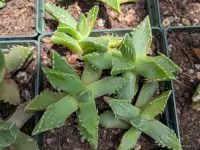
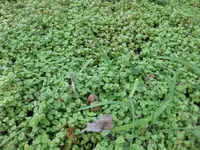
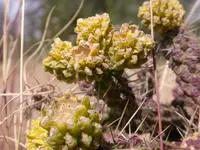
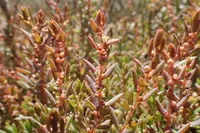
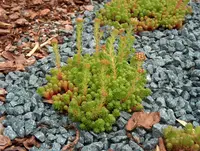
New Zealand seablite (Suaeda novae-zelandiae) is a small, salt-tolerant coastal shrub found on shorelines, saltmarshes, and estuaries in New Zealand. It typically forms low, spreading clumps with fleshy, narrow leaves that help it cope with salty, windy sites.

The plant has a muted green to grey-green color and produces small, inconspicuous flowers along its stems. It is adapted to sandy or salty soils that many other plants cannot tolerate.

Because it is specialized for coastal habitats, it can be challenging to grow inland without similar conditions. Gardeners who want to care for New Zealand Seablite should provide plenty of light, good drainage, and soil that does not stay constantly fresh or low in salts.

Main Plant Requirements

Care Difficulty

Moderate Care

Light Preference

Full Sun

Water Requirements

Moderate Water

Temperature Preference

Cool Climate

Hardiness Zone

8–10

Soil Texture

Sandy, Loamy

Soil pH

Neutral (7.0), Slightly alkaline (7.0–7.5)

Soil Drainage

Waterlogged tolerant

Fertilization

Minimal (feed rarely)

Get Personalized Care Plan

Scan your plant to receive care tips personalized for your specific plant

Available on iOS and Android

How to Care for the New Zealand Seablite

This coastal halophyte prefers strong light and copes well with exposed sites.

  • Provide 6–8 hours of direct sun daily; full sun promotes compact growth and stronger coloration in New Zealand Seablite foliage.
  • Plant in open, unshaded positions; light partial shade is tolerated, but prolonged shade causes lanky stems and sparse leaves.
  • In very hot inland summers, protect from intense late-afternoon sun with a windbreak or light shade cloth to reduce leaf scorch and moisture stress.

This salt-tolerant species is adapted to fluctuating moisture rather than constant saturation.

  • Allow sandy or gravelly soil to drain between tides or rain events; in garden settings, let the top 2–4 cm dry before watering again.
  • Use sharply draining, saline-tolerant soil; avoid compacted or heavy clay that holds water around roots and increases rot risk for Suaeda novae-zelandiae.
  • In cooler seasons, reduce watering frequency and watch for yellow, soft stems as a sign of overwatering, or dull, shriveling leaves as a sign of underwatering.

This species is adapted to mild, maritime climates with moderate seasonal shifts.

  • Aim for 55–75°F (13–24°C) for steady growth, with best vigor in the cooler end of this range in summer near the coast.
  • Plants tolerate brief drops to about 28°F (-2°C), but repeated or hard frosts can damage young shoots and may kill unestablished plants.
  • Heat tolerance is good up to about 90°F (32°C) if soil is not allowed to dry completely and plants receive some airflow to limit stress.

This coastal halophyte handles a wide humidity range and rarely needs special humidity control.

  • Thrives in 40–70% humidity, similar to most outdoor coastal and garden conditions.
  • Tolerates dry air well; stress appears mainly as slight leaf edge browning and slowed growth under prolonged very dry, hot wind.
  • If grown away from coastal influence, shelter the plant from strong drying winds and use mulch to reduce rapid moisture loss around roots.

Suaeda novae-zelandiae prefers very free-draining, sandy to gritty substrates that mimic coastal habitats.

  • Use a mix of roughly 60–70% coarse sand or fine gravel with 30–40% lean loam or low-organic potting mix to keep texture open.
  • Ensure rapid drainage; water should pass through within seconds and not leave the surface muddy or compacted.
  • Aim for slightly alkaline to neutral pH (about 7.0–8.0), avoiding strongly acidic media that limit salt tolerance and nutrient uptake.
  • Improve aeration by avoiding heavy compost, peat-rich blends, or clay-based soils, which can hold water and cause root decline in this species.

This species can be grown in containers if drainage and substrate mimic its naturally harsh coastal conditions.

  • Choose a wide, shallow pot to match its fibrous, spreading root system and reduce perched water at depth.
  • Use a heavy container material or add gravel in the base layer to prevent tipping if exposed to strong coastal winds.
  • Raise the pot on feet or bricks so drainage holes remain clear and salty runoff does not reabsorb into the root zone.

This salt-tolerant coastal species usually grows well without extra feeding, so fertilizer needs are minimal for New Zealand Seablite.

Suaeda novae-zelandiae needs only light structural pruning to keep plants compact and healthy.

  • Carry out minor pruning in late winter or early spring before new growth starts.
  • Use clean, sharp hand pruners to remove dead, damaged, or crossing stems at their base.
  • Thin crowded shoots to improve air flow and maintain a low, bushy form.
  • Avoid cutting back into very old, woody tissue, which may reshoot poorly.

This coastal halophyte is more often transplanted outdoors than grown long term in containers.

  • Transplant in spring when soil is workable and temperatures are mild.
  • Move plants if growth is stunted, roots circle the pot, or the site stays waterlogged.
  • Space plants in sandy, well-drained, slightly saline soil to reduce transplant shock.
  • Water in gently after planting and keep soil lightly moist until new growth resumes.

Propagation of Suaeda novae-zelandiae is usually done from seed in suitable coastal or saline sites.

  • Sow fresh seed in late winter to early spring in trays or directly in the planting site.
  • Use a sandy, free-draining mix and keep it evenly moist, not waterlogged, for germination.
  • Provide high light and good air circulation to reduce damping-off in seedlings.
  • Harden off young plants before planting into exposed coastal positions.

This species is generally cold hardy in mild coastal climates and needs little specific winter care.

  • In marginal climates, a light mulch around the root zone can buffer rapid temperature swings.
  • Ensure soil drainage stays good so roots are not sitting in cold, saturated ground.
  • For container plants, move pots to a sheltered, frost-free spot during severe cold.

Care Tips

Salt-tolerant placement

Site plants where occasional salt spray, saline irrigation, or coastal wind exposure is expected, as mild salinity supports vigor and reduces competition from less salt-tolerant species when growing New Zealand Seablite.

Wind and sand management

In very exposed coastal spots, use low windbreaks such as rocks or driftwood to slow abrasive sand while still allowing good air movement and light around the plants.

Controlled spreading

Regularly edge planting areas and remove unwanted seedlings at the margins to keep this naturally spreading species from encroaching on paths or neighboring low plants.

Periodic rejuvenation

Every 2–3 years, thin out older, woody stems and leave younger shoots to maintain a compact, productive canopy and encourage fresh growth from the base.

Soil salinity monitoring

If grown away from the coast, periodically test soil salinity with a simple EC (electrical conductivity) meter and occasionally apply a dilute saline solution if the substrate has become too fresh, which helps mimic its natural habitat.

Common Pests and Diseases

Scale insects

This pest feeds on stems and young shoots, sucking sap and weakening plants, especially in stressed or cultivated stands near coasts or saltmarsh restorations. Symptoms include small, dome-shaped or flat bumps on stems, sticky honeydew, and sooty mold on nearby surfaces.

Solution

Prune out heavily infested stems and dispose of them, then gently wipe remaining scale with a soft brush or cloth dipped in diluted insecticidal soap or horticultural oil, applied during cooler parts of the day. Reduce plant stress by maintaining appropriate soil salinity and drainage, and repeat treatments every 7–14 days until new growth appears clean.

Mealybugs

These insects form cottony white clusters in stem joints and on tender new growth, especially where plants grow in sheltered or less saline microhabitats. This pest causes leaf yellowing, stunting, and sticky honeydew that may lead to sooty mold.

Solution

Remove small colonies by dabbing with cotton swabs soaked in isopropyl alcohol, then rinse the plant with fresh water to remove residues. For larger populations, use insecticidal soap directed into crevices and repeat at intervals while monitoring nearby host plants, following the same approach used for Suaeda novae-zelandiae care instructions in coastal gardens.

Leaf spot

This disease appears as small, dark, water-soaked spots on leaves that can enlarge and merge, often during humid, warm periods in sheltered saltmarsh sites. Symptoms include premature leaf drop and general thinning of foliage on affected stems.

Solution

Remove and discard affected leaves and heavily spotted stems to reduce inoculum, and avoid overhead watering that keeps foliage wet for long periods. Improve air movement around plants by thinning dense patches and, in cultivated sites, space plants to dry quickly after rain; copper-based fungicides can be used carefully if the problem persists and conditions remain wet.

Damping-off

This disease affects seeds and young seedlings, especially in nursery or restoration trays where soil stays cool and wet, causing seeds to fail or seedlings to collapse at soil level. Symptoms include soft, water-soaked stem bases and sudden death of previously healthy seedlings.

Solution

Use clean, well-drained propagation media with moderate salinity appropriate for the species, and avoid overwatering or prolonged saturation. Discard affected trays, improve air circulation, and, if the issue is recurrent, pre-treat seed or soil with a suitable fungicidal drench labeled for damping-off pathogens before sowing.

Interesting Facts

Salt-marsh specialist

This species is naturally restricted to coastal salt marshes and upper tidal zones of New Zealand, where it grows in mud or sandy substrates regularly influenced by seawater.

True halophyte adaptation

It is a halophyte, meaning it tolerates and even prefers saline conditions, with succulent leaves that help dilute and store excess salt within its tissues rather than excluding it at the root surface.

National conservation concern

Suaeda novae-zelandiae is considered at risk in New Zealand due to habitat loss, coastal development, and changes to natural tidal and salinity regimes in its narrow coastal range.

FAQs about New Zealand Seablite

Young shoots and leaves are edible and often described as salty, similar to other coastal succulents. They should be harvested from clean sites only, rinsed well, and eaten cooked or raw in small amounts due to natural salt levels.

Grow Healthy Plants with Botan Care

Keep your plants happy and healthy with plant identification, disease detection, and easy care guidance.

Botan plant care app — identify plants on mobile

Explore More Plants