Lurid Bolete Care (Suillellus luridus)

Also known as: Kovara
Lurid Bolete

About Lurid Bolete

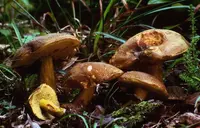
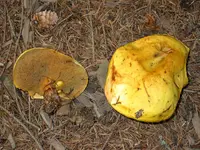
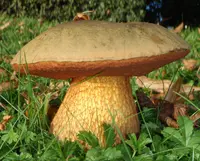
The lurid bolete, Suillellus luridus, is a fleshy, sponge-pored mushroom rather than a leafy plant. It forms stout, club-shaped stems topped with broad caps. The pores and stem often show orange to red tones that bruise dark blue when handled.

This species grows naturally in woodlands, usually with broadleaf trees such as oak and beech, where it forms mycorrhiza, a nutrient-exchange partnership with roots. It is considered challenging to cultivate because it depends on this close tree association.

Those exploring how to care for Lurid Bolete should understand that it is best observed in its natural habitat. It prefers undisturbed, moist, well-drained woodland soils with dappled light and a stable tree partner.

Main Plant Requirements

Care Difficulty

Hard Care

Light Preference

Partial Shade

Water Requirements

Keep Soil Moist

Temperature Preference

Cool Climate

Hardiness Zone

Unknown

Soil Texture

Loamy, Silty, Organic-rich

Soil pH

Acidic (5.5–6.5), Slightly acidic (6.5–7.0)

Soil Drainage

Moist but well-drained

Fertilization

Minimal (feed rarely)

Get Personalized Care Plan

Scan your plant to receive care tips personalized for your specific plant

Available on iOS and Android

How to Care for the Lurid Bolete

This ectomycorrhizal fungus prefers dappled woodland light rather than direct open sun.

  • Provide 2–5 hours of gentle morning sun or bright, filtered light under trees; avoid strong midday and afternoon sun that can dry the forest floor too quickly.
  • Site Lurid Bolete in partial shade, such as north- or east-facing woodland edges, where leaf litter stays evenly moist but not waterlogged.
  • In summer, choose locations with denser canopy cover; in spring and fall, more open canopy is acceptable as the sun is less intense.

This species depends on consistently moist, well-drained forest soil rather than direct surface watering.

  • Focus on habitat: choose sites with humus-rich, loose soil that drains within a few hours after rain but stays slightly moist 2–5 cm below the surface.
  • In dry spells, gentle irrigation that mimics rainfall is acceptable, allowing the top 1–2 cm to dry slightly while deeper layers remain damp, not soggy.
  • Watch for signs of excess moisture such as standing water, sour smell, or slimy organic matter, which indicate conditions too wet for stable Suillellus luridus fruiting.

This fungus fruits best in mild conditions typical of late spring to early fall in temperate woodlands.

  • Optimal fruiting usually occurs around 60–75°F (16–24°C), especially after warm rains followed by a few stable, humid days.
  • It tolerates cooler periods down to about 40°F (4°C) in soil, but fruiting bodies are easily damaged by hard frost below 32°F (0°C).
  • Prolonged heat above 85°F (29°C) with dry air can halt fruiting; shaded, moist woodland microclimates buffer temperature swings across seasons.

This ectomycorrhizal fungus develops fruiting bodies outdoors in typical forest air and does not have special humidity requirements beyond normal woodland conditions.

This mycorrhizal species relies on undisturbed, natural forest soil rather than prepared potting mixes.

  • Suillellus luridus associates with tree roots in humus-rich, well-structured loamy soil that contains plenty of leaf litter and decayed wood fragments.
  • Soil must drain freely yet stay evenly moist, so gentle slopes or slightly raised spots that avoid standing water are preferred.
  • Aim for slightly acidic to neutral conditions, around pH 5.0–7.0, typical of many broadleaf and mixed woodlands.
  • Avoid compacted, heavily amended, fertilized garden beds or sterile substrates, which disrupt its symbiosis with host trees.

This species is not suitable for typical container growing, as it depends on complex root and soil relationships in the ground.

This ectomycorrhizal fungus usually obtains nutrients through its tree partners and generally does not need direct fertilization.

Suillellus luridus does not require pruning, as it is a wild ectomycorrhizal mushroom rather than a managed ornamental plant.

This fungus is not suited to normal indoor containers, so focus on careful transplanting of its tree host and surrounding soil rather than the mushroom itself.

  • Transplant only during cool, moist weather to reduce stress on the host tree and fungal network.
  • Move a generous soil root ball, keeping fine roots and surrounding soil intact where the mycelium lives.
  • Avoid washing or shaking off soil; disturbance can severely disrupt the symbiotic mycelium.
  • After transplanting, water thoroughly and maintain even soil moisture while the tree and fungus re-establish.

Propagation of Suillellus luridus is specialized and usually left to natural spore dispersal and forest management rather than home methods.

This woodland bolete is naturally cold hardy in its native range and usually needs no specific winter care from gardeners.

Care Tips

Site sanitation

Remove and discard spent fruiting bodies promptly and avoid leaving cut or broken mushrooms on the ground, as this reduces spore-borne disease buildup and deters insects that can disrupt future flushes.

Host tree alignment

Establish this mycorrhizal fungus only under compatible deciduous hosts such as oak, beech, or chestnut and avoid disturbing the root zone with cultivation, as heavy digging can break the fine feeder roots needed for stable symbiosis.

Minimal foot traffic

Mark and protect the colonized area from compaction by foot traffic or equipment, since compressed soil reduces oxygen around roots and mycelium and can sharply decrease fruiting.

Moisture-buffering mulch

Apply a thin, airy layer of leaf litter or fine wood chips over the colonized zone to buffer moisture and temperature while keeping mulch off the mushroom caps when they appear to prevent rot.

Observation and mapping

Map the regular fruiting spots and note timing, weather patterns, and host species, then use these records to fine-tune irrigation and disturbance levels for more predictable results when growing Lurid Bolete.

Common Pests and Diseases

Mycoparasitic molds

This disease involves other fungi such as Hypomyces species colonizing the fruiting body and replacing the pore surface with a white to yellowish crust. Symptoms include distorted caps, blocked pores, and rapid decay of the mushroom tissue.

Solution

Remove and discard affected fruiting bodies as soon as the infection is noticed to reduce spore spread. Avoid handling or collecting in very wet, stagnant sites where these molds thrive, and harvest only firm, healthy specimens with intact pore surfaces.

Fungal gnat larvae

This pest consists of small fly larvae that tunnel into the caps and stems, creating galleries filled with frass and soft, water-soaked tissue. Symptoms include mushy, riddled fruiting bodies and visible tiny maggots when the cap is cut open.

Solution

Harvest mushrooms promptly when mature to reduce the window for egg-laying and avoid leaving damaged or overmature fruiting bodies on site. In cultivation settings, use fine mesh barriers, maintain good drainage, and remove infested specimens to break the life cycle of the gnats.

Slug and snail grazing

These animals feed heavily on the soft flesh of the fruiting bodies, leaving large irregular holes, slime trails, and rapid destruction of caps near ground level. Symptoms include missing chunks from the margin of the cap and collapsed stems, especially after wet nights.

Solution

Hand-remove slugs and snails during damp evenings and mornings and avoid leaving decaying plant debris near fruiting patches. In managed areas, use physical barriers such as copper tape or gritty mulches around the fruiting zone and remove heavily damaged mushrooms to limit attraction.

Bacterial soft rot

This disease causes localized water-soaked spots that quickly spread, turning the mushroom tissue slimy, foul-smelling, and collapsing. Symptoms include a wet, greasy surface and rapid disintegration of caps and stems, especially after mechanical damage in warm, humid conditions.

Solution

Harvest gently to avoid bruising, keep collected mushrooms cool and well ventilated, and discard any that show soft, foul-smelling areas. In outdoor patches, avoid unnecessary disturbance of fruiting bodies and do not leave damaged or cut specimens on the ground, as they can serve as infection sources.

Interesting Facts

Instant blue bruising

When the pores or flesh are cut or pressed, they rapidly turn dark blue due to oxidation of pigment molecules in the tissue, then may slowly fade toward brown. This dramatic color change is a key field characteristic used by mycologists to confirm the species.

Dual habitat preference

This bolete forms ectomycorrhizal partnerships with both deciduous trees such as oaks and beeches and conifers like pines, which is relatively unusual for a single species. Its broad host range allows it to occupy mixed woodlands across much of Europe.

Toxic when raw

The fruiting bodies contain heat-labile gastrointestinal toxins that can cause nausea, vomiting, and diarrhea if eaten raw or undercooked. Proper thorough cooking destroys these compounds, which is why traditional foraging guides stress strict preparation rules when growing Lurid Bolete is discussed.

Botan icon

Did you know?

This species can hybridize with some closely related boletes, leading to intermediate forms that complicate identification and have contributed to several taxonomic revisions over the past decades.

FAQs about Lurid Bolete

This mushroom is considered edible only after thorough cooking, but it can cause gastrointestinal upset in some people. It strongly resembles toxic boletes, so identification errors are common. Many foragers avoid eating it for safety.

Grow Healthy Plants with Botan Care

Keep your plants happy and healthy with plant identification, disease detection, and easy care guidance.

Botan plant care app — identify plants on mobile

Explore More Plants